Rahul Gandhi moves SC against 'fishing inquiry' into assets case

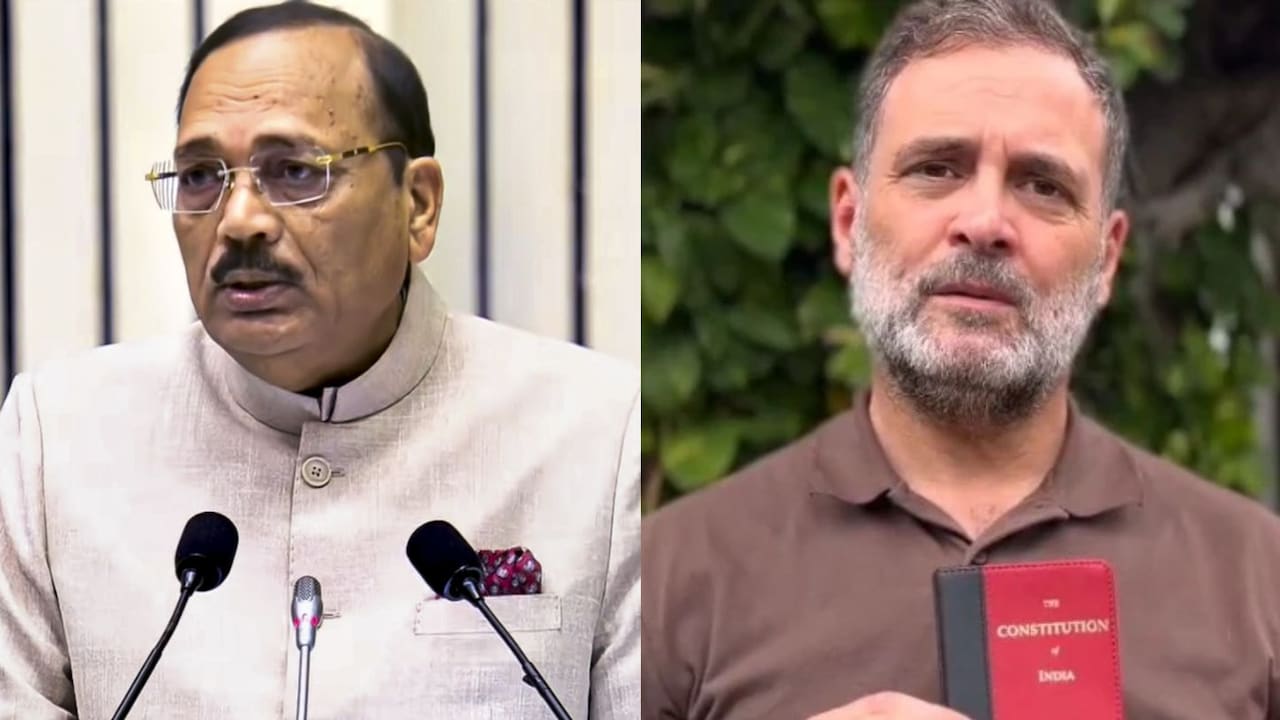
The Leader of Opposition in the Lok Sabha, Rahul Gandhi, has moved the Supreme Court against interim orders of the Allahabad High Court that directed central agencies to conduct what he termed a 'fishing inquiry' into allegations of 'disproportionate assets' against him. In a petition filed through advocate Prasanna S., Gandhi argued that the High Court's directions, passed in May and July, are contrary to several fundamental principles of law.
The Lucknow Bench of the Allahabad High Court had ordered the Central Bureau of Investigation (CBI) and the Directorate of Enforcement (ED) to investigate complaints made in a writ petition by S. Vighnesh Shishir. Gandhi said that to call these orders erroneous or outside settled rules of law would be a gross understatement. He submitted that this is one of the rarest instances where a Constitutional court has acted against multiple first principles all at once.
Gandhi's petition highlights that the proceedings before the High Court were conducted in-chamber, with documents and pleadings kept in sealed covers. He said he was not made a party to the case, was not issued notice, and was not granted a hearing before the orders were passed. The High Court, he argued, also failed to provide reasons or refer to the foundational material while directing a roving inquiry.
The Congress leader further said that the orders directly affect his civil rights and political reputation. He noted that the High Court had directed the ED to investigate money laundering allegations even though no predicate offence had been registered. The orders, according to Gandhi, place the complaints against him under continuing judicial supervision, with the probe agencies required to periodically report progress.
Gandhi also drew attention to the background of the petitioner, Shishir, who he said is a member of the Bharatiya Janata Party (BJP) and the Rashtriya Swayamsevak Sangh (RSS). According to Gandhi, Shishir has filed multiple complaints and public interest litigations against him in the past, including allegations of foreign citizenship, and now the disproportionate assets case. He argued that these repeated proceedings by a 'motivated individual' based on 'unsubstantiated allegations' demonstrate a pattern of persistent and vexatious litigation.
In his plea, Gandhi said the High Court did not consider this history of litigation, which he claimed was relevant to show the nature of the complaints. He also submitted that the writ petitioner's political affiliations and past attempts to target him through legal proceedings should have put the High Court on guard before directing investigations.
The Supreme Court is likely to hear the matter in the coming weeks. The case raises important questions about the extent of a high court's power to order investigations and the safeguards available to individuals who are not parties to the original petition. Gandhi has sought the quashing of the High Court's orders, arguing that they were passed in violation of natural justice and established legal principles.
The development comes at a time when Gandhi, as Leader of Opposition, has been vocal in criticising the government on various issues. The Supreme Court's ruling on this plea could have implications for how courts handle complaints and whether allegations alone can trigger investigations without proper scrutiny.