Rahul Gandhi meets students, tells them 'no need to apologise', questions PM, Shah over police action
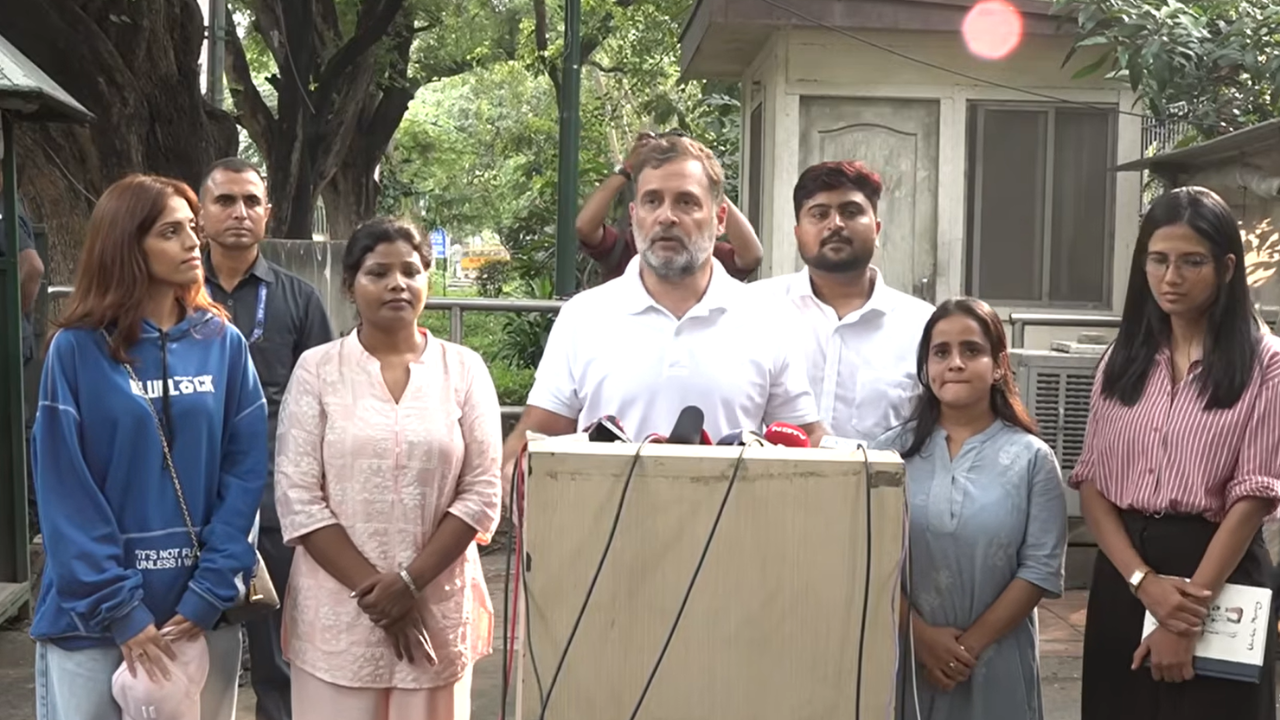
In a show of solidarity with student protesters, Congress leader Rahul Gandhi met a group of students on [insert day] and expressed strong support for their cause. Addressing the protesters, Mr Gandhi said he was "proud of every single young person" who had raised their voice against injustice. He also told them that there was "no need to apologise" for peacefully demanding their rights.
Mr Gandhi criticised Prime Minister Narendra Modi and Union Home Minister Amit Shah over the alleged use of police force against student demonstrators. He held them responsible for what he described as a crackdown on dissent, raising questions about the limits of free expression in the country.
"The right to protest is the bedrock of our democratic constitution. When students exercise this right peacefully, it is the duty of the state to protect them, not to intimidate them," Mr Gandhi said at the protest site. His remarks come amid a series of student demonstrations across the country on issues ranging from campus safety to employment opportunities.
The specific incident that triggered the latest protests has not been independently verified. Reports suggest that several students were injured in clashes with police during a demonstration earlier this week. Mr Gandhi accused the central government of acting with excessive force and urged the authorities to ensure that the aggrieved students receive justice.
The government has not yet responded to Mr Gandhi's allegations. In the past, officials have defended police actions as necessary to maintain public order, and have accused opposition leaders of politicising student issues. However, no official statement was available at the time of filing this report.
This meeting is significant as it marks a rare direct engagement between a senior opposition leader and the student community at a protest site. Political analysts note that Mr Gandhi's outreach could energise young voters, a crucial demographic in upcoming state elections. It also reflects the broader political polarisation in the country, with the opposition attempting to position itself as a defender of democratic freedoms.
The Indian Constitution guarantees the right to assemble peacefully without arms under Article 19(1)(b), subject to reasonable restrictions. Legal experts emphasise that any use of force must be proportionate and justified. In several cases, courts have intervened to protect protesters from excessive police action, reaffirming the importance of civil liberties.
Student unions and civil society groups have called for an independent inquiry into the alleged police conduct. They argue that without accountability, such incidents could erode the trust between the public and law enforcement agencies. Mr Gandhi echoed these sentiments, demanding a transparent investigation and punishment for those found guilty of misconduct.
Meanwhile, tensions remain high in the protest areas. University authorities have appealed for calm and dialogue, while students vow to continue their agitation until their demands are met. The situation underscores the critical balance between maintaining order and respecting fundamental rights.
As the story develops, further details about the protests and the government's response are awaited. For now, the meeting between Rahul Gandhi and the students adds a significant political dimension to what is essentially a civic issue. It remains to be seen whether this leads to a constructive resolution or deepens the existing political acrimony.