Quantum Computing and AI Join Forces to Improve Cancer Vaccine Design, Early Study Shows
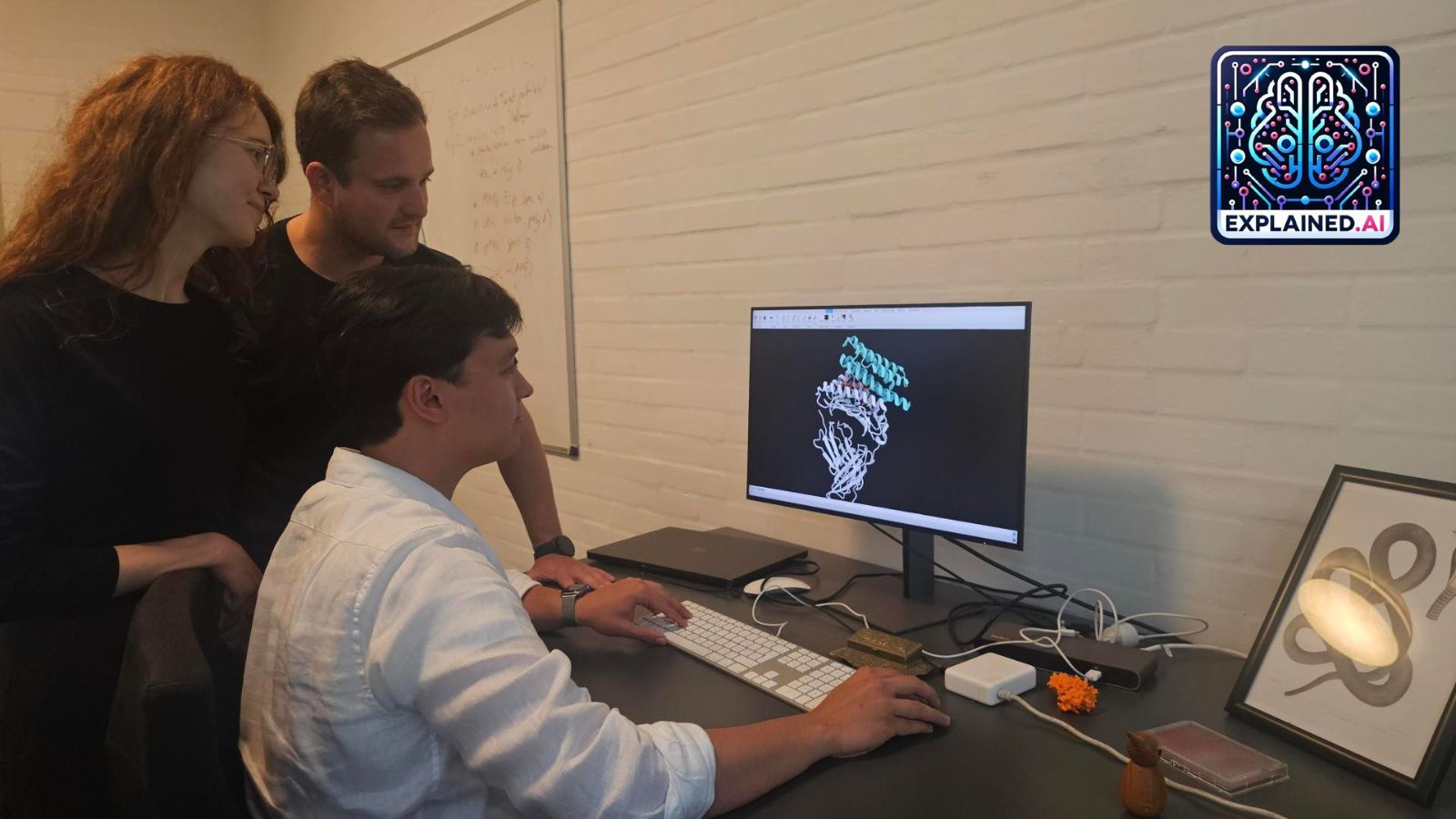
Researchers at the Technical University of Denmark (DTU) have taken an early step towards combining quantum computing with artificial intelligence (AI) to design cancer vaccines. Their proof-of-concept study, which is awaiting peer review, used a photonic quantum computer to enhance an AI model's ability to design peptides—short chains of amino acids that help the immune system recognise diseased cells.
Quantum computers differ from classical computers in that they use qubits, which can exist in a superposition of 0 and 1 simultaneously. A photonic quantum computer uses individual light particles, or photons, as qubits. This allows for a fundamentally different kind of randomness generation, which the researchers leveraged to improve the AI's peptide design process.
Peptides are crucial in immunology because cells display them on their surface, allowing the immune system to distinguish healthy from foreign cells. Human leukocyte antigen (HLA) molecules act as display shelves, holding peptides for inspection. A peptide must bind stably to an HLA molecule to trigger an immune response. Designing peptides that bind to specific HLA molecules is challenging due to the vast number of possible sequences—hundreds of billions for short peptides—and the difficulty of finding those that bind well to a given person's HLA type.
The AI, a generative adversarial network (GAN), learns patterns of real immune-binding peptides and proposes new ones. Typically, such models use a simple random starting point from a classical computer. The DTU team replaced this with samples from a photonic quantum processor, which produces a richer, correlated form of randomness that is difficult to replicate classically.
Timothy Patrick Jenkins, corresponding author of the study, told The Indian Express that while the technology is far from clinical use, it could eventually help develop more personalised cancer vaccines and immune-based therapies. The laboratory tests confirmed that the AI-designed peptides successfully bound to HLA molecules on cell surfaces, a critical first step.
Experts caution that this is early-stage research, and many hurdles remain before quantum-enhanced AI could impact patient care. However, the study demonstrates a potential pathway for improving vaccine design using emerging quantum technologies.