Punjab Reverses Stand on G RAM G Scheme, Cites Financial Pressures
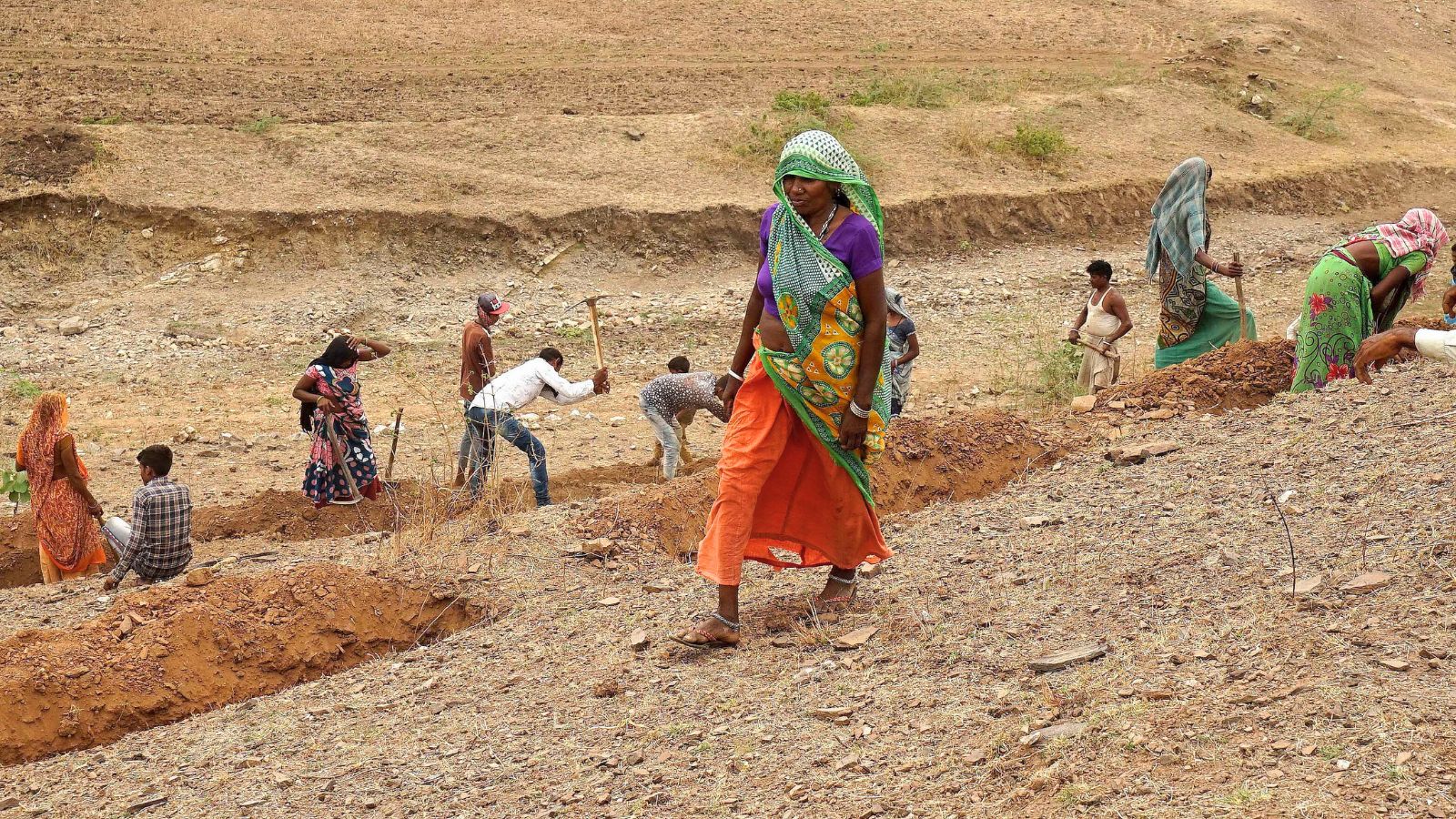
The Aam Aadmi Party (AAP) government in Punjab, led by Chief Minister Bhagwant Mann, has reversed its earlier opposition to the Centre's Viksit Bharat-Guarantee for Rozgar and Ajeevika Mission (Gramin) (VB-G RAM G) Act, 2025. The state government has now decided to implement the scheme from July 1, a marked shift from its previous stance when it had convened a special Assembly session in December 2025 to reject the law.
The decision appears to be driven primarily by financial considerations. Punjab faced the prospect of losing approximately Rs 750-800 crore in central funds allocated under the scheme. The state's Rural Development and Panchayats Department issued a notification last week to enforce the act, six months after the Assembly had unanimously passed a resolution urging the Centre to withdraw it.
During the special session, AAP leaders argued that the new scheme diluted the rights-based character of the Mahatma Gandhi National Rural Employment Guarantee Act (MGNREGA), shifted a greater financial burden to states, and adversely affected rural workers. Chief Minister Mann had described the G RAM G law as 'anti-poor, anti-farmer, anti-Dalit, anti-women and anti-labour.'
However, government sources now maintain that the pivot is based on fiscal necessity, not politics. 'The government simply could not let go of such a large central grant,' a senior functionary said, adding that rejecting the scheme would have denied employment funds to rural beneficiaries. Under the G RAM G scheme, eligible rural households are entitled to up to 125 days of wage employment annually, with the Centre and state sharing wage costs in a 60:40 ratio. This funding pattern was a key point of contention, as MGNREGA required the Centre to cover 100% of wages and 75% of material and administrative costs.
Punjab's financial crisis has deepened in recent years. According to the state's Budget for 2026-27, total debt has risen to Rs 4.07 lakh crore, projected to reach Rs 4.47 lakh crore next fiscal year. Interest payments for the current year are estimated at Rs 28,755 crore, with an additional Rs 13,725 crore allocated for debt repayment. A significant portion of revenue is now used to service debt rather than fund development or essential services like health and education.
The approaching state Assembly elections, due in February 2027, may have added urgency to the government's decision. The state has set aside Rs 500 crore in the Budget for its share of the scheme's implementation. While the Assembly resolution was a political statement, officials acknowledge that on-the-ground implementation is necessary to ensure continued employment for rural workers.







