Proud to be a 'dimagi Naxal', says Kejriwal; calls it a true patriot's badge
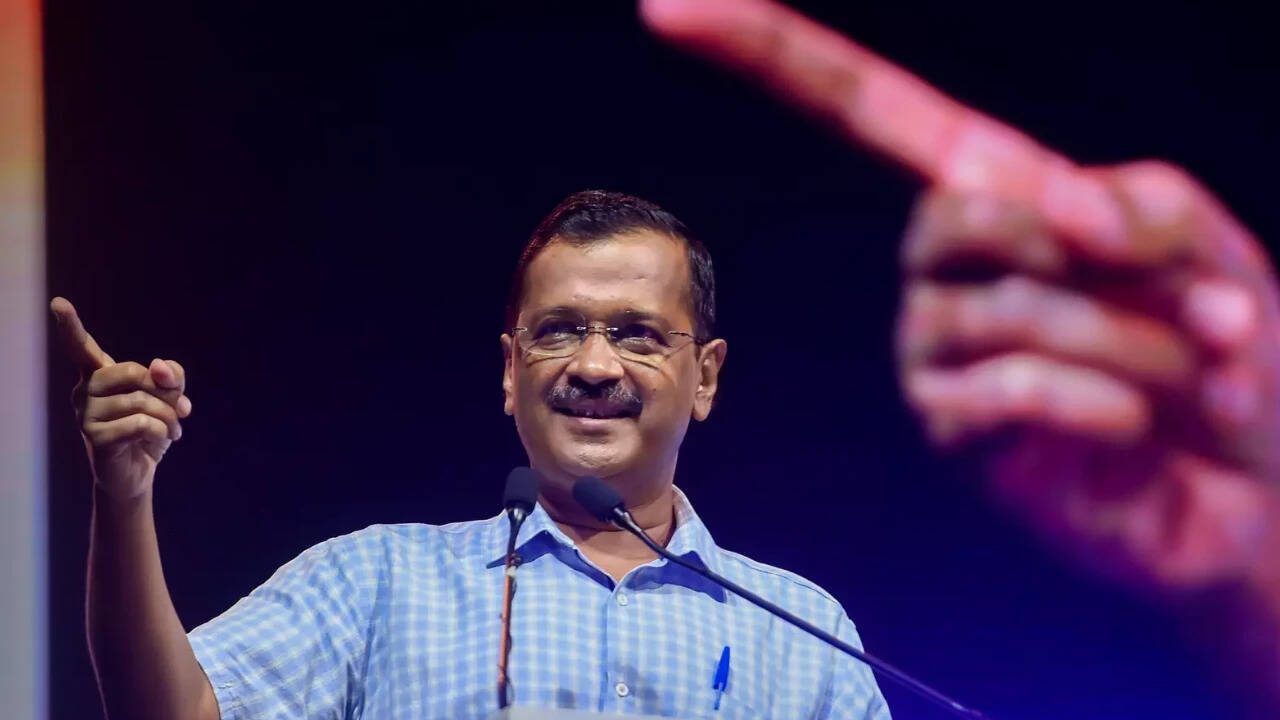
Arvind Kejriwal, the Chief Minister of Delhi and national convener of the Aam Aadmi Party (AAP), has said he is proud to be called a "dimagi Naxal" — a term used by his political opponents to describe intellectuals they accuse of harbouring Maoist sympathies. Responding to the criticism, Mr Kejriwal said, "I am a true patriot; hence I am a 'dimagi Naxal' according to you."
The remark is the latest in a series of exchanges between Mr Kejriwal and leaders of the Bharatiya Janata Party (BJP), who have frequently used the term "dimagi Naxal" to target opposition figures, journalists, and civil society activists. The label, derived from the Hindi word "dimag" (brain) and "Naxal" (a reference to Maoist insurgents), is intended to suggest that the person holds radical left-wing views that are out of step with mainstream politics.
Mr Kejriwal's retort appears to turn the label on its head, framing himself as a patriot whose commitment to the country is being questioned by those who cannot tolerate dissent. Speaking to his critics, he suggested that his willingness to challenge the government and fight for ordinary citizens is what makes him a true patriot, even if his opponents choose to disparage him.
The exchange has drawn reactions from across the political spectrum. Supporters of Mr Kejriwal have praised his defiant response, arguing that he has stood up to the ruling party's attempts to silence its opponents. Their view is that the term "dimagi Naxal" is used loosely to dismiss anyone who disagrees with the government's policies, and that Mr Kejriwal's response highlights the emptiness of such labelling.
BJP leaders, on the other hand, have dismissed the Delhi Chief Minister's comments as an attempt to deflect attention from his own government's track record. They maintain that their criticism of Mr Kejriwal is based on his actions, including his confrontations with the central government over issues such as the control of administrative services in Delhi and the handling of protests. For them, the "dimagi Naxal" label is not an insult but an accurate description of what they see as a pattern of obstructionism.
Political analysts point out that the use of labels such as "Naxal" and "anti-national" has become increasingly common in Indian politics, especially during election seasons. Such terminology often serves to rally one's own support base while delegitimising the opposition. However, observers also caution that the overuse of these labels can trivialise the real security threats posed by Left-wing extremism in parts of the country, where Naxal groups remain a significant challenge for law enforcement agencies.
The term "dimagi Naxal" itself is not new. It has been used by various politicians over the years to criticise intellectuals who challenge the established order. In recent times, its usage has been most notably associated with the BJP and its ideologues, who have applied it to academics, activists, and artists who sign petitions or take positions against government policies. The counter-response from Mr Kejriwal indicates that he is willing to engage with the charge directly, rather than distance himself from it.
Mr Kejriwal's statement also reflects his broader political strategy. As the leader of a party that positions itself as an anti-establishment alternative, he has often sought to portray himself as a target of the establishment's ire. By embracing the "dimagi Naxal" label, he may be seeking to strengthen his appeal among voters who value independent thinking and are sceptical of state power.
Whether this gambit will pay off remains to be seen. Political observers note that such rhetorical skirmishes often energise the base but may have limited impact on the wider electorate. For now, the Delhi Chief Minister has made it clear that he will not be cowed by the label. Instead, he has chosen to wear it as a badge of honour.
The war of words is likely to continue as India moves towards the next round of elections. The challenge for all political leaders will be to engage in debate without resorting to name-calling that undermines the democratic spirit. As Mr Kejriwal's latest remarks show, the politics of labels has become an integral part of the electoral landscape.