Protests in Pakistan-occupied Kashmir: Unpacking the crisis over elite perks and reforms
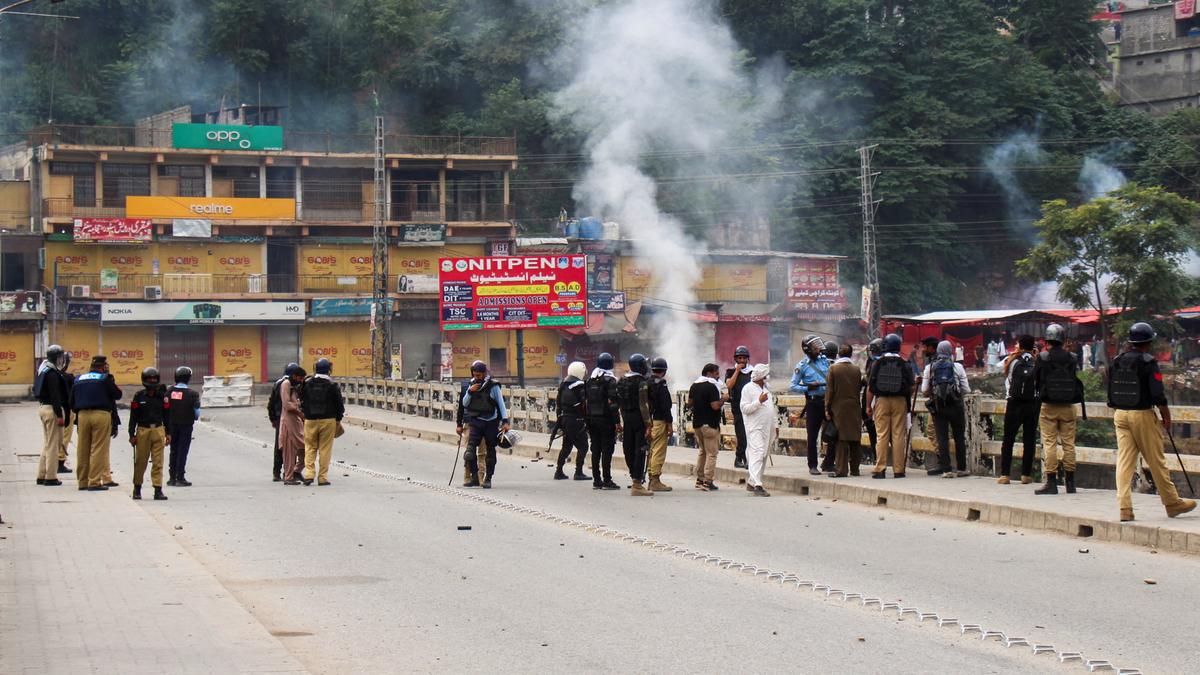
The recent violent protests in Pakistan-occupied Kashmir (PoK) have brought global attention to a region long governed by a political structure that critics say lacks accountability and transparency. At least 11 protesters and three policemen have been killed in days of clashes, and a communication blackout remains in place. The protests, led by the Jammu Kashmir Joint Awami Action Committee (JKJAAC), have mobilized around demands for economic relief and structural reforms, challenging the elite-driven governance that has defined the region for decades.
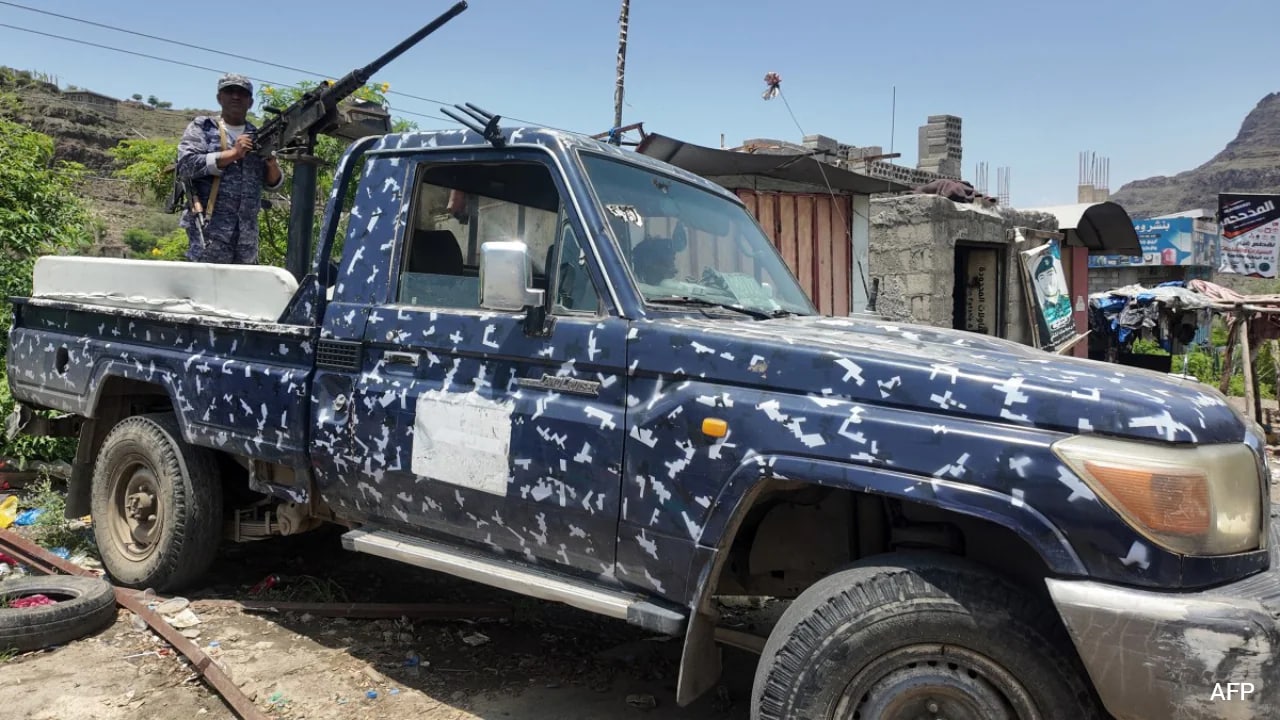
PoK, a sliver of the former princely state of Jammu and Kashmir that has been under Pakistani control since 1947, is referred to by Pakistan as "Azad Jammu and Kashmir" (AJK). It has its own constitution, a prime minister, and a president, which Pakistan presents as evidence of its independent status. However, critics argue that these are largely symbolic, and real power remains with Islamabad. The region's politics have long been dominated by a small elite, often referred to locally as the "Pajero culture"—a term that emerged from the widespread use of Mitsubishi Pajero SUVs by politicians, symbolizing their disconnect from the common people.
The JKJAAC, formed in September 2023, is a cross-regional platform that includes traders, lawyers, students, and other grassroots groups. Its demands fall into two categories: immediate economic relief and longer-term constitutional reforms. On the economic front, the committee calls for subsidised electricity and wheat prices, on par with other parts of Pakistan, and the removal of special allowances for government officials. It also demands free and equitable access to education and healthcare.
On the structural side, the JKJAAC seeks the abolition of 12 reserved "refugee seats" in the PoK Legislative Assembly, which are widely seen as a tool for Islamabad to exert control. Other demands include reducing the size of the executive, ending elite perks, and ensuring that local communities benefit from PoK's hydropower and natural resources. The movement also calls for the elimination of quota-based allocations that perpetuate inequality.
The protests have escalated into violence, with authorities urging dialogue while maintaining a heavy-handed response. The Pakistani government has yet to publicly address the core demands of the protesters. The crisis highlights the broader failure of PoK's political system to deliver accountability and transparency to its people, and it threatens to destabilise a region already grappling with economic hardship and political uncertainty.
As the world watches, the outcome of these protests could reshape the political landscape of Pakistan-occupied Kashmir. Whether the government will heed the call for reforms or continue to rely on force remains to be seen.