Priyanka Gandhi cites 40-year high unemployment, links student unrest to job crisis

Congress leader Priyanka Gandhi Vadra on Monday said the unemployment rate in India is at its highest in 40 years, and linked recent student protests to a combination of a "failed education system" and a lack of job creation over the past 12 years. She made the remarks while speaking to reporters in the Parliament House complex.
"The unemployment rates in the country are the highest in 40 years. It is already a public fact. It is very clear that there is a lot of unrest, disappointment and frustration amongst the youth. We have seen that in the student protests. It is a combination of a failed education system and no job creations in the last 12 years," she said.
Gandhi, who is the Member of Parliament from Kerala's Wayanad, was responding to a question about a recent Niti Aayog report. The report, titled "Reimagining Skilling for Viksit Bharat@2047", estimates that 8.7 crore people aged between 15 and 29 in India are not studying, working or receiving any form of training. The report highlights the urgent need for subsidised training programmes to encourage self-employment and align with local demands and emerging sectors.
The Congress general secretary also alleged that there has been insufficient focus on manufacturing and micro, small and medium enterprises (MSMEs), and that certain government policies are hurting small businesses and the agricultural sector, both of which are key job providers. "It is something that we have been raising for a while," she added.
The Niti Aayog report, based on data from the 78th round of the National Sample Survey conducted in 2021, categorises the country's workforce landscape into five segments: schooling; tertiary education; formal and informal work; youth not in education, employment or training (NEET); and women. It notes that NEET youth are "constrained by the absence of income and the sunk cost of prior education," and that students often cannot layer paid skilling onto existing financial commitments.
The report defines NEET youth as individuals between 15 and 29 who are not engaged in education, employment or training, including those who are unemployed. The findings have reignited the political debate over job creation and skill development in India.
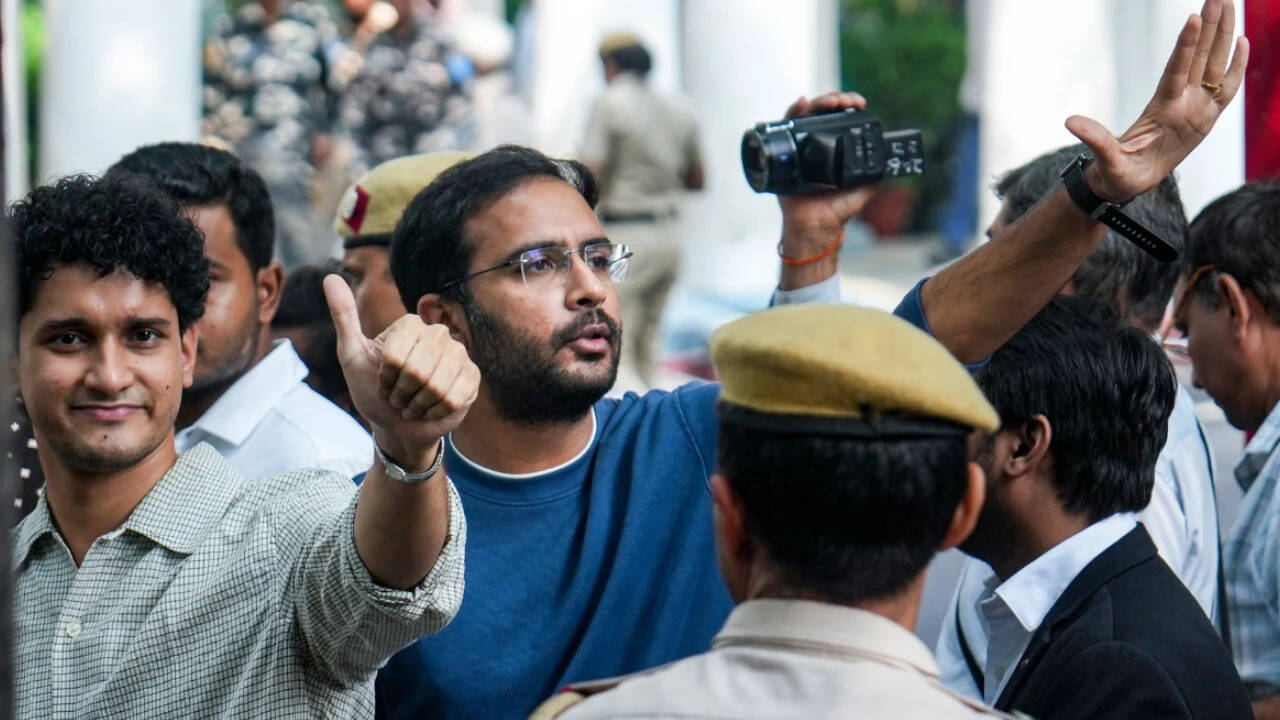
Gandhi's remarks come amid ongoing student protests in several parts of the country. The demonstrations have drawn attention to issues such as rising examination fees, lack of job opportunities and demands for reforms in the education system. While the government has not yet officially responded to her specific claims, it has defended its record on employment generation and skill development programmes.
Observers note that unemployment data in India has been a subject of debate, with different surveys and methodologies yielding varying figures. Official statistics, including the Periodic Labour Force Survey, have shown gradual improvements in recent years, though challenges remain in absorbing the large number of young people entering the workforce each year.
The Niti Aayog report also stresses the importance of aligning skilling programmes with local demand and emerging sectors, and calls for a comprehensive approach to address the needs of NEET youth. It recommends subsidised training and measures to reduce the financial burden on students, which could help them acquire skills without compromising their economic stability.
As the debate over jobs and education intensifies, the remarks by senior political leaders are likely to keep the issue in the public spotlight. The upcoming electoral cycles may see employment and skill development emerge as key campaign themes, with parties across the spectrum seeking to address the aspirations of India's youth.