Poland and Ukraine Seek Unity at Gdansk Conference Amid Historical Tensions, Zelenskyy Absent

Poland and Ukraine struck a conciliatory tone on Thursday as they opened the annual Ukraine Recovery Conference in the Polish port city of Gdansk, following weeks of diplomatic tensions over historical differences. Ukrainian President Volodymyr Zelenskyy did not attend the event, with Prime Minister Yulia Svyrydenko leading the Ukrainian delegation instead.
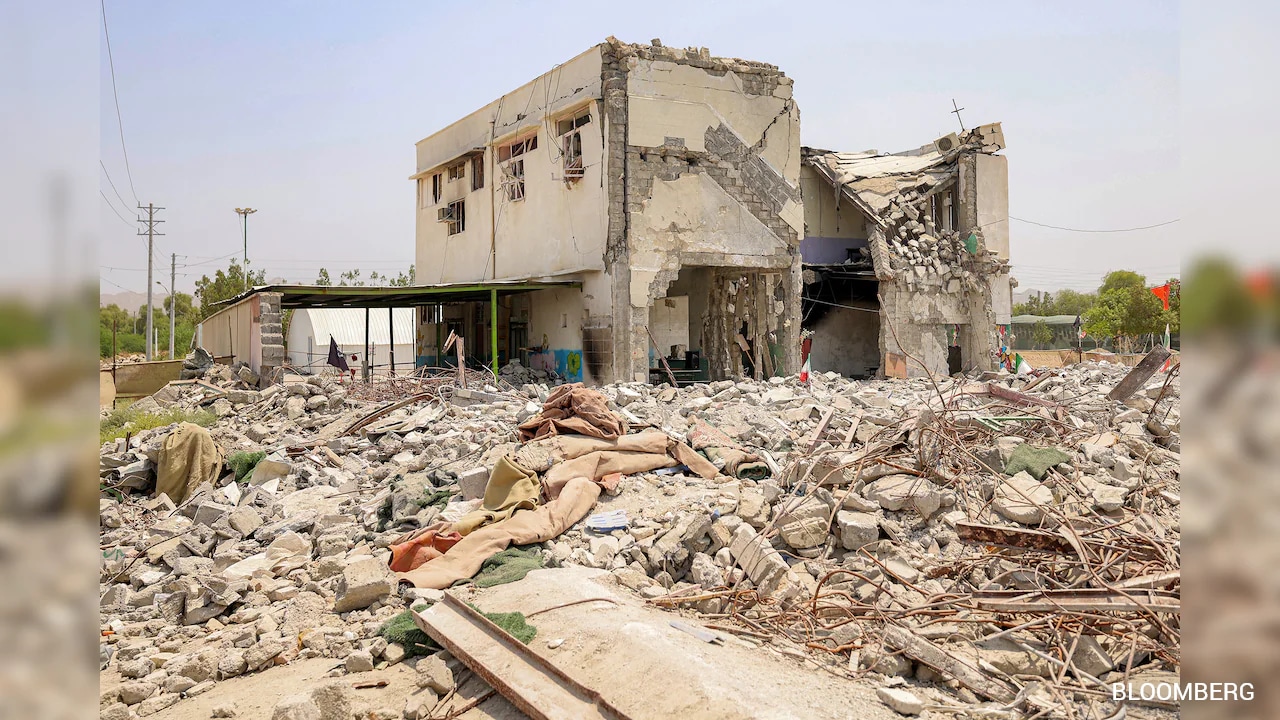
Polish Prime Minister Donald Tusk called on the West to believe that a post-war Ukraine will 'rise from the ruins,' drawing a parallel to Gdansk, which was largely destroyed during World War II and later rebuilt. Tusk's remarks were seen as an attempt to ease the recent strain in bilateral relations.
The conference, held under heavy security, took place amid uncertainty over whether it would proceed, after Mr. Zelenskyy angered Poland by signing a decree naming a military unit after the Ukrainian Insurgent Army (UPA) — a nationalist group that participated in massacres of Poles in the 1940s. 'We can build the future only on truth, on mutual respect, on an understanding of history,' Mr. Tusk said. He also noted that Ukraine must 'understand its own history' and demonstrate a 'genuine capacity and readiness for reconciliation' if it wishes to join the European Union.
The dispute has created a political crisis between the two allies, now in the fifth year of Russia's full-scale invasion of Ukraine. Mr. Zelenskyy, who typically attends the recovery conference, skipped the Gdansk event amid the strained ties. Instead, Kyiv sent Prime Minister Yulia Svyrydenko, who also struck a friendly tone, thanking Poland for its support, including opening its borders to over a million Ukrainian refugees after the 2022 invasion and serving as a logistics hub for Western military aid.
The diplomatic row has taken the European Union by surprise. Marta Kos, the EU Commissioner for Enlargement, expressed concern that 'something so emotional can affect the rationality of businesses.' She regretted Mr. Zelenskyy's absence, calling him 'a symbol of Ukrainian courage,' but downplayed its impact on the conference.
Poland has consistently supported Ukraine's EU membership aspirations throughout the war. However, as the conflict has dragged on, nationalist parties in Poland have stoked anti-Ukrainian sentiment. A recent opinion poll indicated that 59.7% of Poles now oppose Ukraine's accession to the EU.
On reconstruction, Poland hopes its companies will leverage geographical proximity to secure contracts once a peace deal is reached and businesses begin investing in Ukraine's rebuilding. Polish business representatives at the conference expressed optimism that political tensions would not hinder commercial opportunities. Michal Rzepnikowski of Endolink SA, which supplies prosthetics to Ukraine, said: 'From the business side, we see no problems. We want to help and develop business. But of course the diplomatic row does come up in conversations, but both sides reach the conclusion that it is not a priority during the war.'
Peace talks have so far yielded no results, while concerns over corruption — which has long plagued Ukraine — also overshadow reconstruction efforts. 'Investors will not come if there will be corruption,' Ms. Kos noted. Ukraine has faced several corruption scandals this year involving President Zelenskyy's inner circle. Kyiv's allies are working to help Ukraine implement necessary reforms to begin the EU accession process.
Ukrainian participants at the conference expressed cautious optimism that Russia's offensive might eventually lose momentum, paving the way for large-scale reconstruction.