PM Modi's Warm Handshakes with Xi, Putin at SCO Summit: Diplomacy in Action
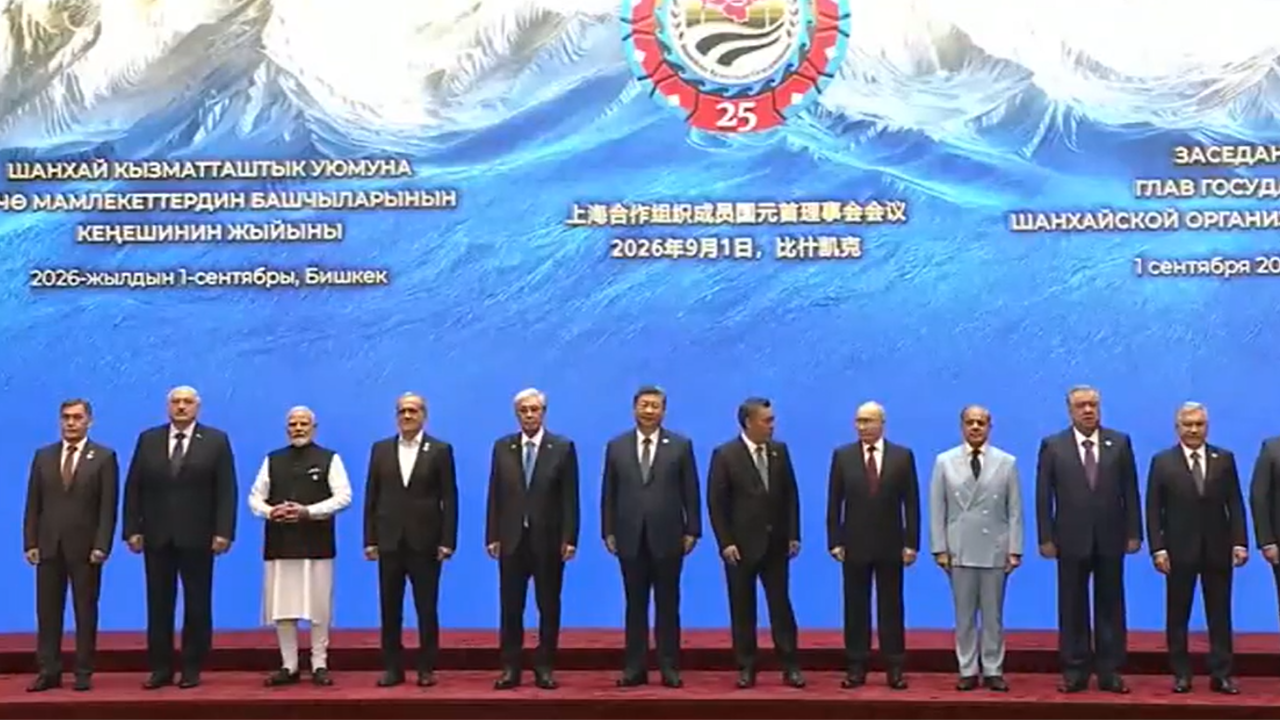
Prime Minister Narendra Modi on Thursday shared warm handshakes with Chinese President Xi Jinping and Russian President Vladimir Putin on the sidelines of the Shanghai Cooperation Organisation (SCO) summit in Astana, Kazakhstan. The exchanges, captured in imagery that quickly gained traction, signalled a continued commitment to diplomatic engagement despite underlying differences between India and both nations.
The SCO summit, a major multilateral gathering, brought together leaders from member states including China, Russia, Pakistan, and the Central Asian republics. For India, the forum serves as a crucial platform to discuss regional security, counter-terrorism, and economic cooperation. This year's agenda also focused on connectivity projects and sustainable development, alongside the pressing geopolitical issues that have defined global politics in recent years.
The interaction between PM Modi and President Xi took place against the backdrop of the unresolved border standoff in eastern Ladakh. Although no official readout was issued, diplomatic sources indicated that the two leaders emphasised the need to maintain peace and tranquillity along the Line of Actual Control and agreed to continue talks at the military and diplomatic levels. The handshake, in itself, was a symbolic yet deliberate gesture, indicating that both sides prefer dialogue over confrontation.
Likewise, the meeting with President Putin came at a time when India has consistently advocated for a diplomatic resolution to the Russia-Ukraine conflict. New Delhi has maintained a neutral stance, refraining from explicit condemnation of Moscow while urging de-escalation and respect for sovereignty. The cordial exchange between the two leaders reflected the long-standing strategic partnership between India and Russia, which has endured numerous global shifts.
Political analysts point out that the images of the handshakes should be read with caution. "A handshake is not a thaw, but it is a precursor to talks," said a senior observer. "India is managing a delicate balance—engaging with the West, maintaining ties with Russia, and seeking stability with China." This approach is emblematic of India's independent foreign policy, which prioritises national interest over bloc politics.
The summit concluded with the adoption of the Astana Declaration, which included commitments to combat terrorism in all its forms, enhance regional connectivity, and promote a more inclusive and resilient economic framework. India, as a full member of the SCO since 2017, has utilised these summits to strengthen ties with Central Asian states, expand energy cooperation, and push for infrastructure projects that benefit the region.
At the same time, the presence of Pakistan's leadership at the summit drew lesser attention, though it served as a reminder of the complex dynamics within the SCO. India has consistently asserted its position on cross-border terrorism, and while bilateral meetings on the sidelines were not reported, the atmosphere did not escalate into overt confrontation.
For India, the summit was not just about photo opportunities. It was an exercise in maintaining strategic autonomy in a multipolar world. By engaging confidently with Xi Jinping and Vladimir Putin, PM Modi reinforced New Delhi's stance that dialogue remains the only viable pathway to resolve differences, even as those differences persist.
As the leaders departed Astana, the warm handshakes lingered in media coverage—not as a sign of a major breakthrough, but as a testament to the enduring value of face-to-face diplomacy. In an increasingly fragmented international order, such exchanges offer a glimmer of diplomatic continuity, reminding the world that channels of communication must never be allowed to close.