Parliamentary panel proposes bus travel overhaul: Scrap border check posts in 6 months
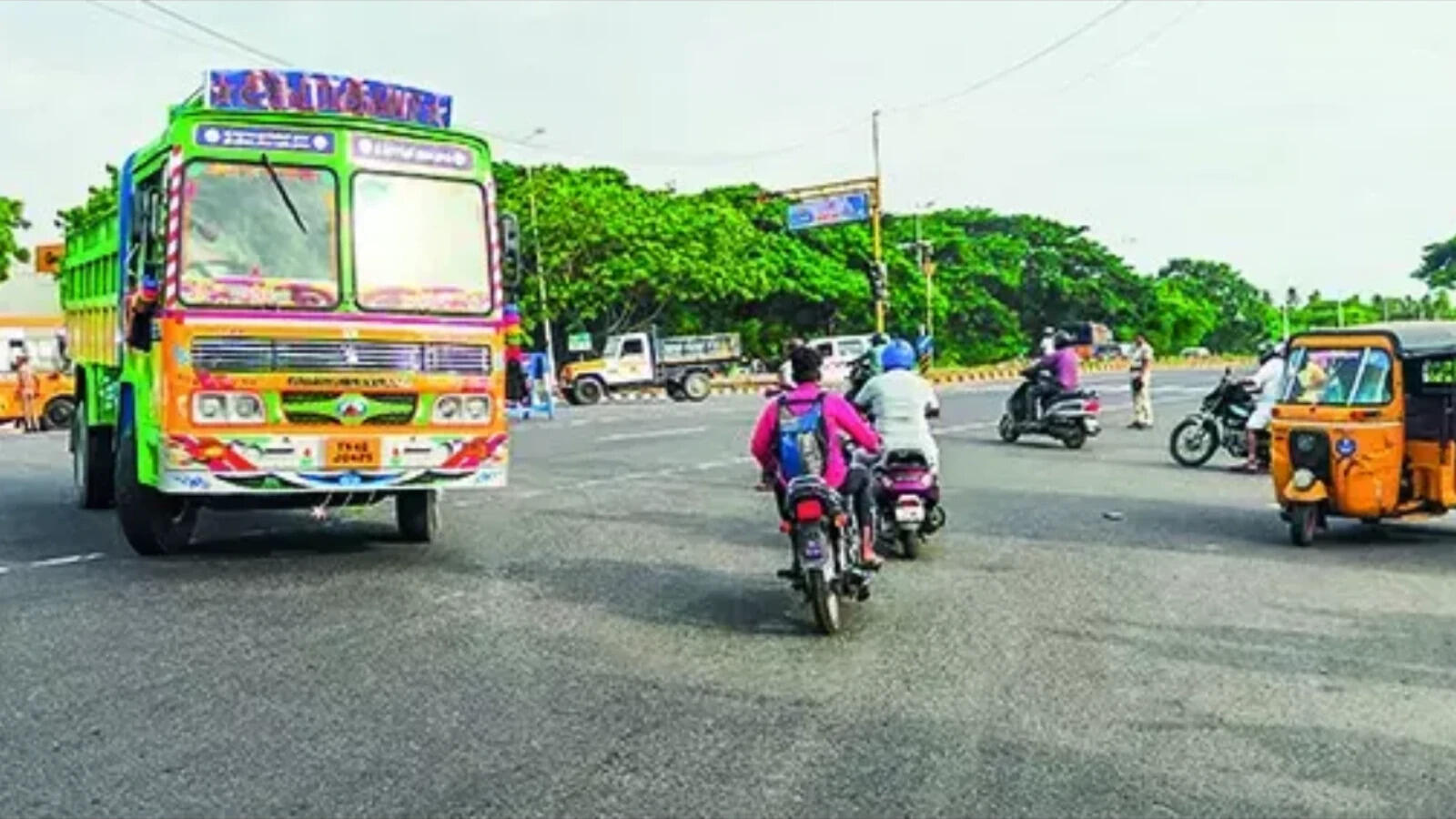
A parliamentary panel has recommended that the central government scrap all existing inter-state border check posts within six months and replace the All India Tourist Permit with a unified All India Passenger Permit within a year, as part of a sweeping overhaul of the country's bus transport system.
The committee, chaired by JD(U) MP Sanjay Kumar Jha, made the recommendations after consultations with government departments, bus operators, passengers and other stakeholders. The aim was to identify key hurdles facing the sector, which transports more passengers daily than Indian Railways.
According to the panel, India has around 4.4 lakh buses, but only about 1.1 lakh are owned by government entities, mainly state road transport undertakings. Ten states account for nearly 90% of these government-owned buses, including Karnataka, Tamil Nadu, Maharashtra, Uttar Pradesh, Andhra Pradesh and Gujarat.
Calling for an overhaul of the permit regime, the panel urged the road transport ministry to replace the All India Tourist Permit with an All India Passenger Permit. The new permit should reflect the number of passengers actually carried, ensuring that enforcement does not hinge on whether a traveller qualifies as a "tourist".
"The rights of the permit holder, including the right to halt, to board and set down passengers at notified points, and to enter public terminals on payment, should be stated exhaustively on the face of the permit," the panel said.
The panel also asked the Centre to prevail upon six states to close border check posts that they are still operating. It further recommended that all bus terminals provide private operators "non-discriminatory access" to pick up passengers on payment of an entry fee, following the model at Delhi's ISBT.
It proposed the establishment of a National Bus Terminals Authority to develop and standardise terminal infrastructure and, where states agree, manage bus terminals and intermodal passenger hubs. For passenger convenience, the panel recommended a unified online ticketing platform covering state-run and private bus operators.
A citizen vigilance channel, modelled on the Election Commission's cVIGIL app, was also proposed. This would allow passengers to file geo-tagged, time-stamped complaints—with photos or videos—about overloading, unsafe transport of schoolchildren, faulty safety equipment and poor sanitation in buses, terminals and halting points. Complaints would be automatically forwarded to the enforcement authority concerned for action within a prescribed timeframe.
The recommendations, if implemented, would significantly reshape the bus transport sector, potentially easing cross-border movement and improving passenger experience. The transport ministry has not yet responded to the panel's proposals.