Owaisi: RSS, BJP Opposed Ambedkar's Constitution, Wanted Manusmriti
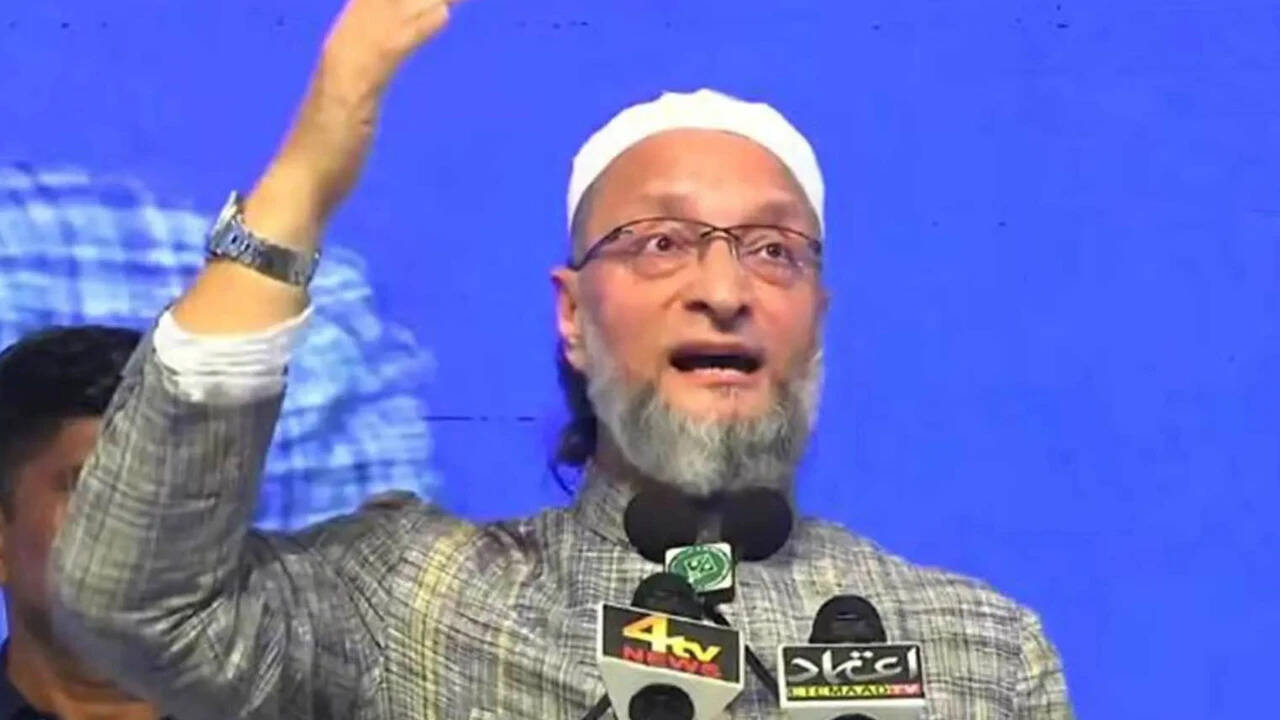
Asaduddin Owaisi, the president of the All India Majlis-e-Ittehadul Muslimeen (AIMIM), has accused the Rashtriya Swayamsevak Sangh (RSS) and the Bharatiya Janata Party (BJP) of having historically opposed the Constitution of India, which was drafted under the leadership of B.R. Ambedkar, and of favouring an order based on the Manusmriti. His remarks, made in a public address, come amid a deepening political confrontation between the BJP and the Congress over the place of the Manusmriti in India's social and constitutional discourse.
The Manusmriti, also known as the Laws of Manu, is an ancient Sanskrit text on dharma and social conduct. While its adherents regard it as a foundational document of Hindu law, its critics argue that it legitimises caste-based discrimination and inequality. Ambedkar, the chief architect of India's Constitution, publicly burnt copies of the Manusmriti in 1927 to protest against the caste system, a symbolic act that remains a powerful reference point in the ongoing political debate.
In his remarks, Owaisi said, "They opposed Ambedkar's Constitution, wanted Manusmriti." He did not provide specific evidence to substantiate his claim, but his statement reflects a long-standing political narrative that sees the RSS and the BJP as heirs to ideologies that resisted Ambedkar's vision of a socially inclusive republic. Owaisi also hinted that these forces, now in power, still harbour the same intentions, though he did not elaborate.
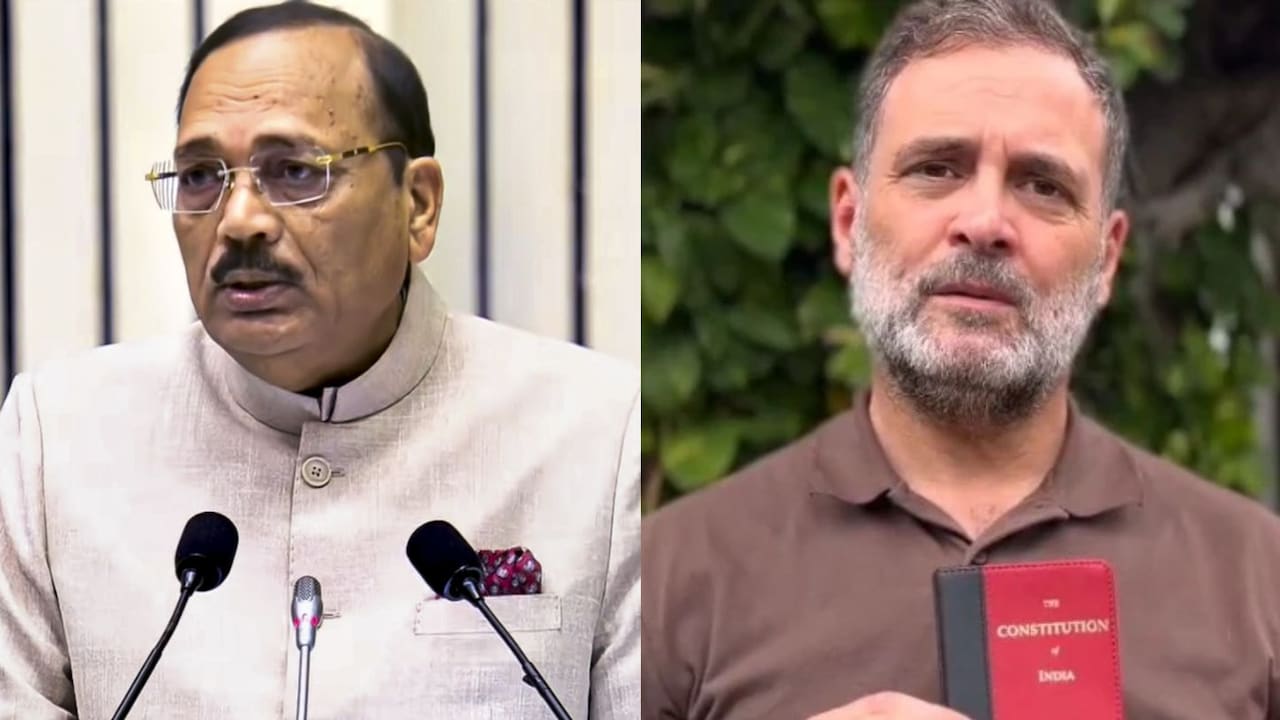
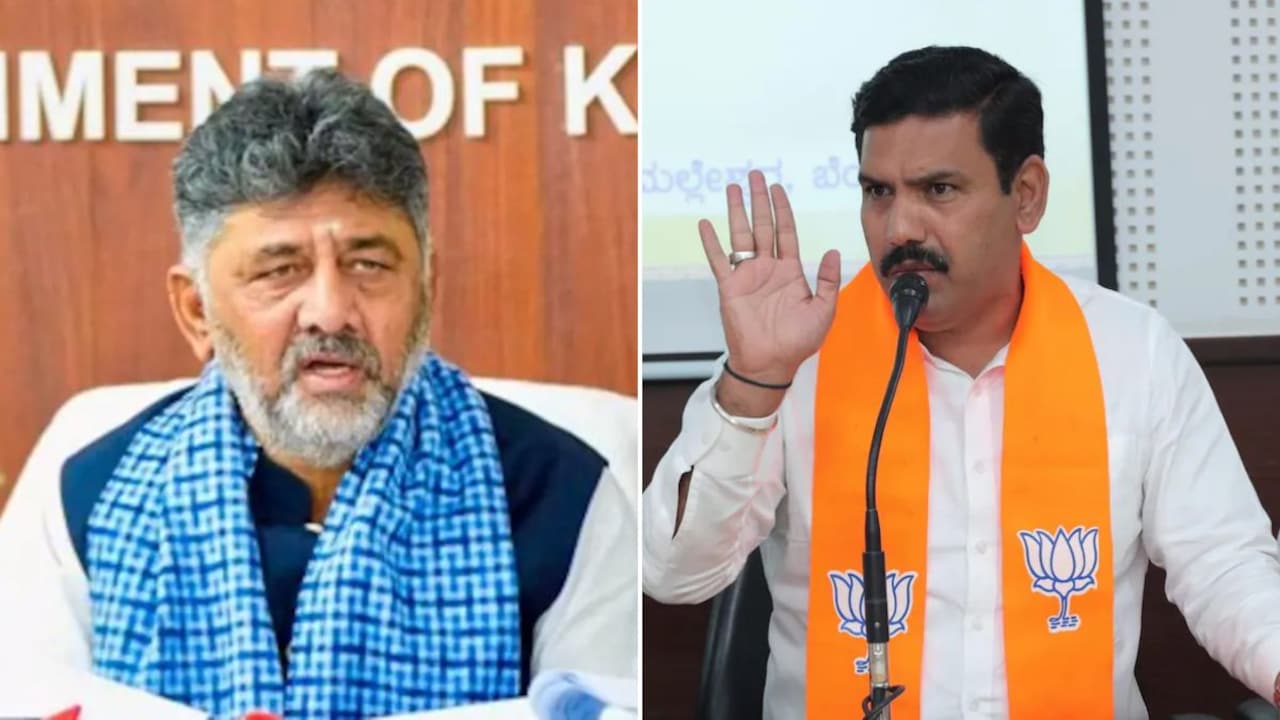
The immediate trigger for the political row appears to be recent comments from some BJP leaders who praised the Manusmriti as a valuable guide for governance and society. These statements have drawn sharp criticism from the Congress and other opposition parties, who argue that invoking the Manusmriti undermines the constitutional principles of equality, justice, and fraternity, and amounts to an attempt to impose a hierarchical social order.
The BJP and the RSS have not yet responded directly to Owaisi's latest allegation. Historically, both organisations have maintained that they consider the Indian Constitution supreme and have expressed reverence for Ambedkar's contribution. However, critics have pointed to statements by individual leaders, as well as the RSS's own preference for traditional values, as evidence of a theological underpinning that sits uneasily with constitutional modernity.
The debate over the Manusmriti is not new. It resurfaces periodically in Indian politics, often during electoral cycles. For many Dalit and other marginalised communities, the Constitution represents a hard-won victory over the caste hierarchy, and any perceived glorification of the Manusmriti is seen as a direct threat to their rights and dignity. For some Hindu nationalist voices, the Manusmriti is an integral part of India's cultural heritage and should be respected as such, though they are careful to distinguish between its historical role and any call for its implementation in modern law.
Political analysts note that the current confrontation also reflects a broader ideological struggle over how India should define its identity. The Constitution, with its emphasis on secularism, democracy, and social justice, is seen by many as a break from the past. The Manusmriti, on the other hand, represents a more traditional, hierarchical ordering of society. Owaisi's intervention adds a further layer to this contestation, as he seeks to foreground Ambedkar's legacy in the Muslim political discourse, a space often dominated by religious identity politics.
Observers believe that in the coming days, more leaders from both sides are likely to weigh in, making the Manusmriti a central theme in the political debate. As the argument unfolds, the challenge for the parties will be to navigate the fine line between respecting cultural heritage and upholding constitutional values. The controversy also highlights the deep divisions within Indian society over how to remember and reinterpret its history. What remains clear is that the symbolism of Ambedkar and the Manusmriti will continue to be potent tools in India's political arena.