One Union minister, one university every day: Centre's new youth outreach plan
The Union government is preparing a nationwide programme under which a Union minister will visit a university every day to interact directly with students, according to sources familiar with the plan who spoke to news agency PTI on the condition of anonymity. The sources did not provide details on how universities would be selected or when the programme would begin, indicating that it is at a planning stage.
The proposed initiative, named 'One Day, One University', is aimed at strengthening the government's engagement with young people. This initiative is part of the government's broader approach to youth engagement. During these visits, ministers are expected to hold discussions with students, hear their views on issues affecting the country, and explain government schemes meant for students and young people.
The plan comes at a time when student protests over the NEET paper leak issue have intensified in Delhi and other parts of the country. The NEET-UG, or National Eligibility-cum-Entrance Test for undergraduate medical courses, is conducted by the National Testing Agency. Allegations of paper leak and irregularities have led to protests and demands for a thorough investigation.
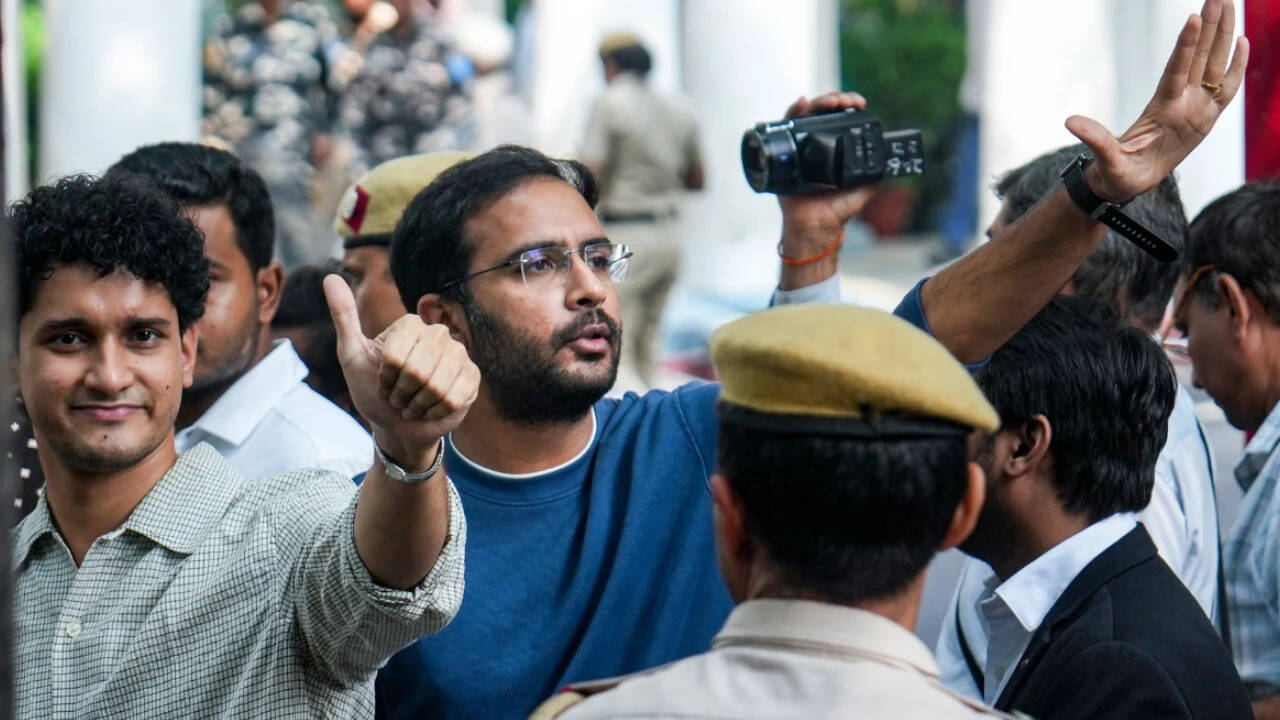
The protests have also become a political issue, with opposition parties raising the matter in Parliament and demanding that the government address questions on the conduct of the examination. On July 20, police action against protesting students in Delhi triggered a strong reaction from the opposition, which subsequently disrupted proceedings during the monsoon session of Parliament.
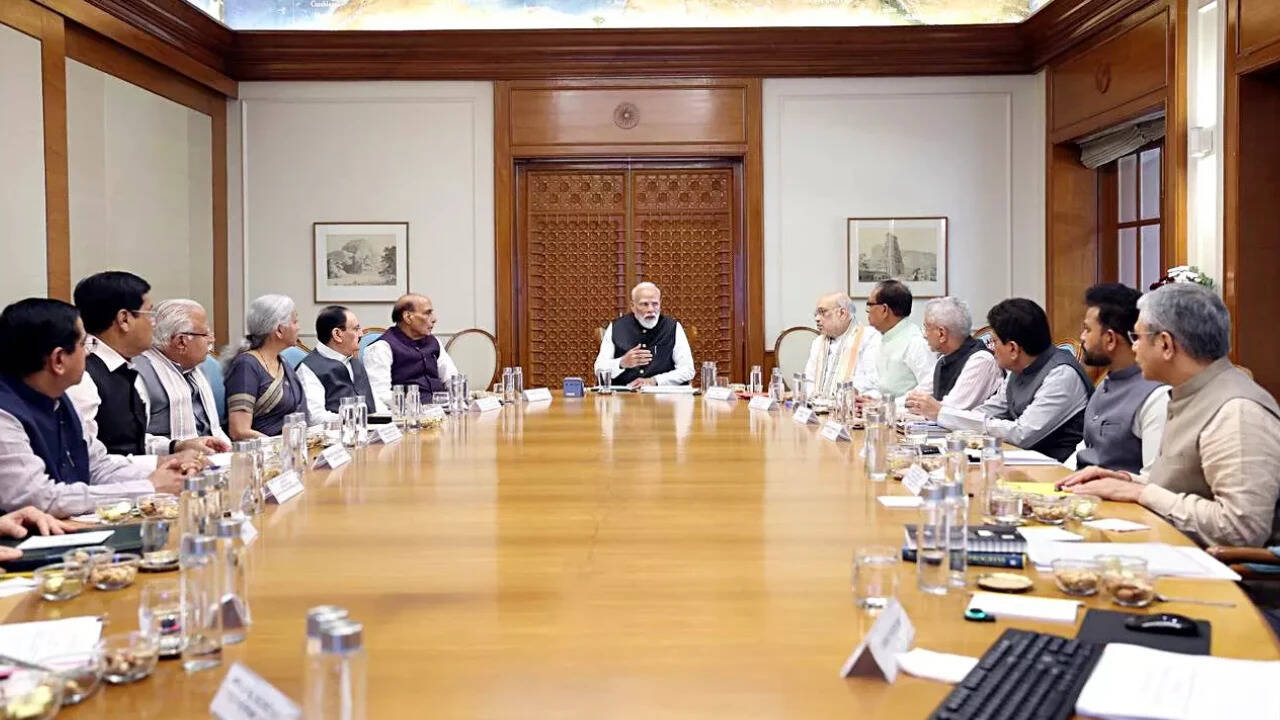
Sources said education minister Pralhad Joshi and youth affairs and sports minister Mansukh Mandaviya have been tasked with coordinating the programme with universities and other Union ministers. The initiative was also discussed at the Union Cabinet meeting chaired by Prime Minister Narendra Modi on Wednesday.
The scale of the proposed outreach is significant. Data from the University Grants Commission (UGC) shows that India has around 1,300 universities. These include 57 central universities and 522 state universities. The remaining institutions are either deemed-to-be universities or private universities. The UGC is the statutory body responsible for coordinating and maintaining standards of higher education in India.
The breakdown of universities shows a mix of institutions under different ownership and governance models. Central universities are funded and administered by the Union government, while state universities fall under their respective state governments. Deemed-to-be universities enjoy a certain degree of autonomy in course design and curriculum, while private universities are funded by trusts or corporations.
The government's focus on students comes after a series of protests linked to the NEET controversy. Amid the protests, Dharmendra Pradhan resigned as education minister on July 25. Prime Minister Modi also made several direct appeals to students through social media.
The government has continued to highlight initiatives aimed at young people. In his Independence Day address, PM Modi announced several measures focused on education, skills and employment, including free online coaching and an artificial intelligence skilling programme. He also announced a sports talent hunt and plans to expand the civil defence network. The Prime Minister highlighted opportunities for young Indians in sectors including manufacturing, space, nuclear energy and semiconductor production.
The proposed university visits are intended to add a direct, face-to-face element to this outreach, giving students an opportunity to interact with members of the Union government at their own institutions. The government has not yet issued an official statement confirming the programme or its timeline, according to the sources.