One Nation, One Election possible in 2029 if states agree: panel chief

A joint parliamentary committee examining the 'One Nation, One Election' legislation has said that simultaneous Lok Sabha and State Assembly elections could be held in 2029, provided the Constitution is amended and State governments agree to the plan.
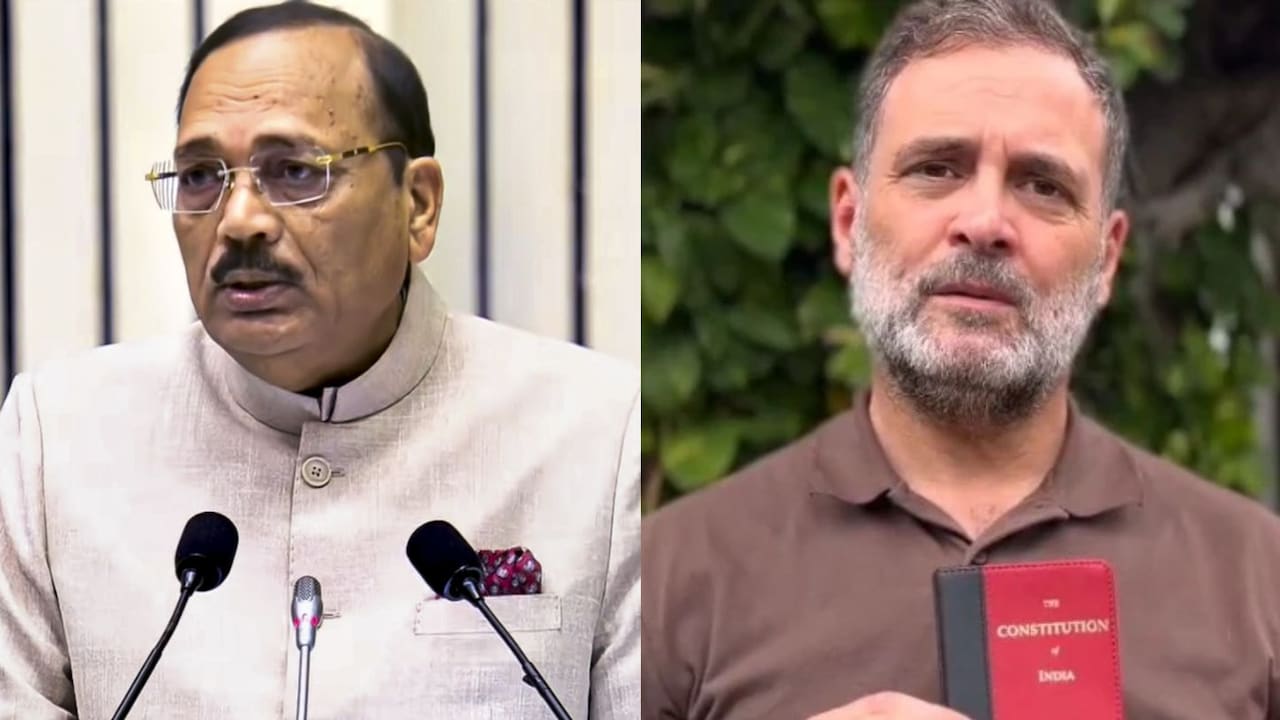
P.P. Chaudhary, the committee chairman and a Bharatiya Janata Party (BJP) member of Parliament from Rajasthan, told reporters on Monday (August 24, 2026) that if the constitutional amendment is approved by Parliament by 2028, the rollout of the initiative could begin that year. However, he made it clear that States cannot be forced to dissolve their Assemblies early.
"If the States express their desire in 2029, we can't give the States directions to dissolve their Assembly," Mr. Chaudhary said. "They have to make their own decisions. It depends on the respective Chief Ministers and their Council of Ministers. If the Council of Ministers of the States decide in favour of 'One Nation, One Election' — that State elections should be held along with the Lok Sabha polls — then it is possible. It is up to them what they decide. The Indian Constitution allows that; it is permissible."
The two bills under consideration are the Constitution (129th Amendment) Bill, 2024, and the Union Territories Laws (Amendment) Bill, 2024. Introduced in the Lok Sabha in December 2024, they were referred to the 31-member joint committee after the Opposition demanded detailed scrutiny.
Mr. Chaudhary said the committee has so far visited 10 States and interacted with a cross-section of people. He claimed that 99 per cent of people and civil society representatives want simultaneous polls. "Democracy means the will of the people, not the will of the political parties," he said. "We have to work on what the people want, what the country wants. We are working with the will of the people. That is why we have invited civil society members to take their opinions."
He acknowledged that political parties may have different viewpoints, but said the committee has to work together in the interest of the country. The bills will require the support of two-thirds of the members of Parliament present and voting to be passed.
The move towards simultaneous elections stems from the recommendations of a high-level committee headed by former President Ram Nath Kovind, which included Union Home Minister Amit Shah as a member. That panel had suggested holding Lok Sabha, State Assembly and local body elections together in a phased manner.
Historically, elections to the Lok Sabha and all State Legislative Assemblies were held simultaneously from 1951 to 1967. The first general elections in 1951-52 were conducted together, a practice that continued for the next three general elections until it was disrupted due to the premature dissolution of some State Assemblies and the Lok Sabha, leading to staggered polls.
Mr. Chaudhary also highlighted that about 30 per cent of the time of government schools is used for poll-related work every year, arguing that simultaneous elections would reduce this burden.
In a related development, another government-sponsored Constitution amendment bill linked to women's reservation was defeated in the Lok Sabha in April, underscoring the challenge of securing the required parliamentary majority for such legislation.
The committee's mandate is to examine the bills, address any shortcomings and recommend a path for holding simultaneous polls successfully. The final decision rests with Parliament and the State governments.