Oil tanker threat in Middle East at worst since Iran war began, analysts say
The threat to oil tankers operating in the Middle East has reached its highest level since the start of the Iran war, according to shipping analysts. A series of attacks on vessels in the Red Sea has compounded risks already present in the Strait of Hormuz, which carries a significant share of the world's oil supply.
Ship-tracking firm Kpler reported that only eight tankers passed through the Strait of Hormuz on Sunday and eleven on Saturday, compared with more than 100 daily before the conflict began. This dramatic reduction reflects heightened security concerns in the region.
Before the war, approximately 20% of the world's oil and gas transited through the strait, making it a critical chokepoint for global energy supplies. The temporary peace deal signed with the United States in early June had briefly encouraged an increase in traffic, but the resumption of strikes about a month later reversed that trend.
Many vessels have reportedly been turning off their transponders while crossing the strait, a practice known as "going dark," to avoid detection. This measure, while aimed at reducing visibility to potential attackers, also complicates tracking and raises safety concerns.
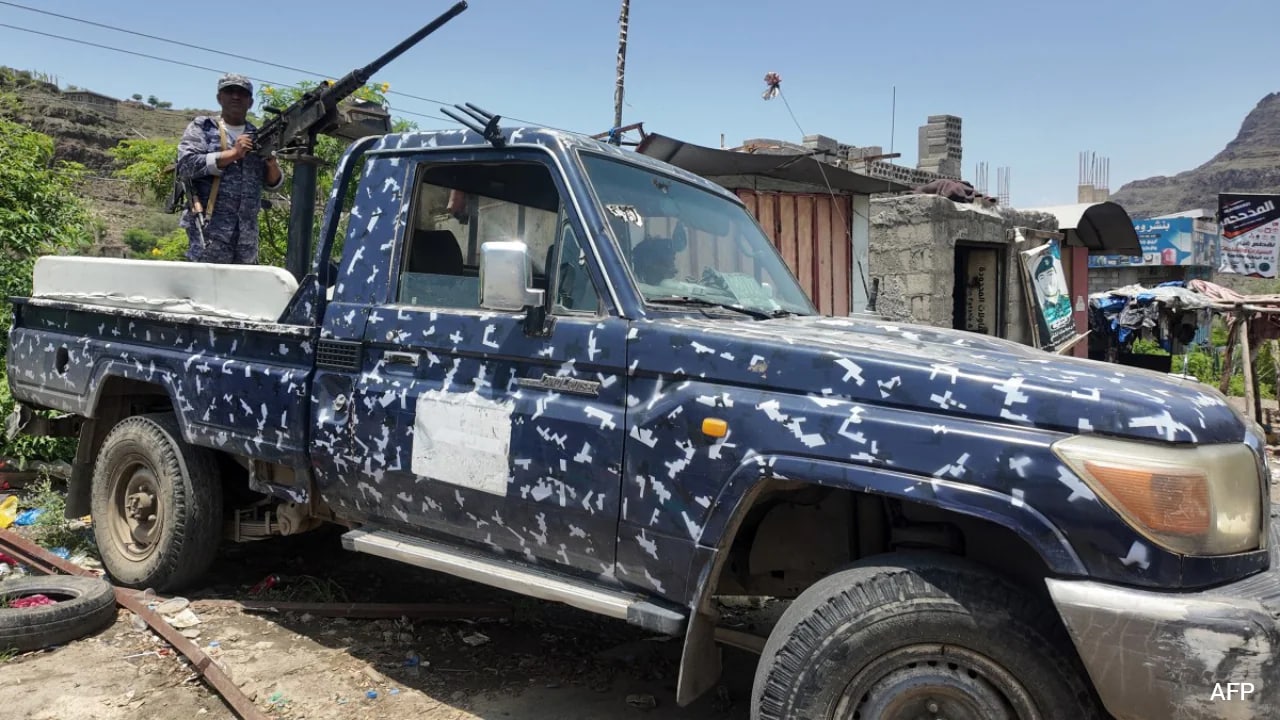
The Red Sea has emerged as an alternative route for some ships carrying oil from Saudi Arabia to bypass the strait. However, a recent spate of attacks by Yemen's Houthi fighters on Saudi tankers using that waterway has further escalated the dangers.
Iran has denied claims by former US President Donald Trump that it was in talks with Washington over reopening the Strait of Hormuz. An Iranian official stated that Tehran was instead communicating with Oman about securing the shipping lane, though details of those discussions remain unclear.
Analysts note that the combination of threats in both the strait and the Red Sea has created an unprecedented situation since the conflict began. Matthew Wright of Kpler described the current period as "the worst period that we've been in since this crisis began," citing the heightened risk to crude oil trade.
The reduced traffic through such a vital waterway has implications for global oil prices and supply chains. While the full impact is yet to be assessed, the ongoing instability highlights the vulnerability of maritime routes that are essential to the world economy.
Observers emphasise that the situation remains fluid, with diplomatic efforts and regional conflicts continuing to influence shipping patterns. For now, tanker operators face difficult decisions about route safety, insurance costs, and the reliability of alternative passages.
The international community is closely monitoring the developments, as any sustained disruption to oil shipments could have far-reaching consequences for energy markets worldwide. The need for a de-escalation of tensions in the region is becoming increasingly urgent, experts say.