No cause for panic as H1N1 rise follows seasonal pattern, says ICMR chief
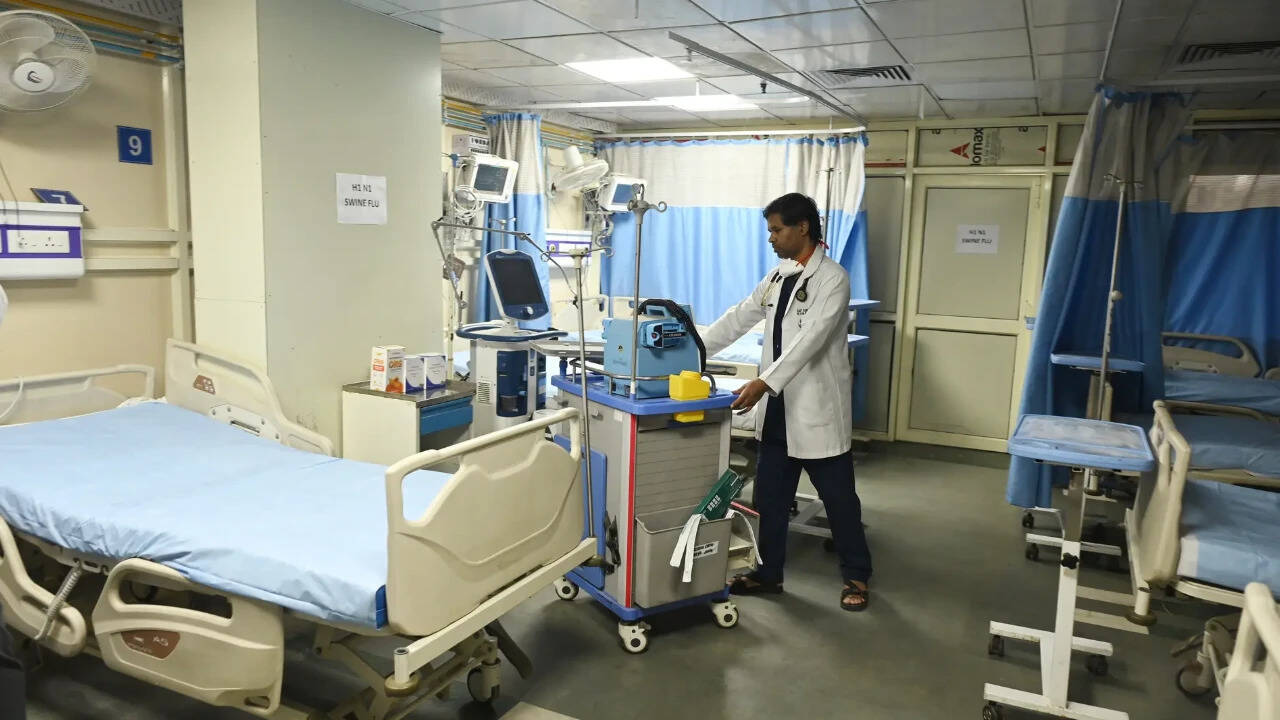
New Delhi: Amid a reported rise in H1N1 influenza cases across the country, the Indian Council of Medical Research (ICMR) on Tuesday sought to allay public concerns, stating that the current increase is in line with the seasonal behaviour of the virus and does not signal a new or more dangerous strain.
ICMR Director General Dr Rajiv Bahl said that H1N1 accounts for nearly 98% of Influenza A cases currently detected in India, while H3N2 accounts for only 2-3%. He clarified that the virus in circulation is the familiar H1N1 pdm09 strain, which has become a seasonal influenza virus over the years.
“Influenza is seasonal. It will keep coming every year,” Bahl said, emphasising that the key concern should be a rise in severe cases, hospitalisations or deaths, rather than an increase in infections alone.
Dr Bahl noted that it was too early to determine whether the current rise had peaked. Viral infections typically increase, reach a peak, remain at a plateau and then decline, but the timing can vary by a few weeks.
The ICMR’s surveillance network is currently testing samples from 73 sentinel hospitals for multiple respiratory viruses, including Influenza A and B, SARS-CoV-2, respiratory syncytial virus (RSV), human metapneumovirus and other respiratory pathogens. A wider network of 167 virus research and diagnostic laboratories also undertakes diagnostic testing.
Addressing the question of testing, Dr Bahl said there was no need to test everyone for influenza. Testing is mainly required for patients with severe disease, for whom the result can help guide treatment. Most influenza infections are self-limiting, and healthy individuals recover with supportive care.
However, older adults, young children, pregnant women and immunocompromised individuals face a higher risk of complications such as pneumonia. Antiviral medicines may be prescribed for severe or high-risk cases, while antibiotics have no role in treating viral influenza, he added.
On vaccination, Dr Bahl said there was no urgent need for the general population to take the seasonal flu vaccine. People aged above 65 and those who are immunocompromised could discuss vaccination with their doctors. Influenza vaccination is not currently part of India’s universal immunisation programme.
The ICMR chief also noted that COVID-19 and influenza are circulating together, which is not unusual. Surveillance is continuing to track any change in the pattern or severity of disease.
He recommended basic precautions such as hand hygiene, covering the face while coughing or sneezing and staying home when unwell. Routine mask use is not considered necessary for everyone, he said.
Dr Bahl reiterated that the present rise in H1N1 infections did not constitute a public health emergency.