Nauru Changes Name to Naoero, Restoring Indigenous Identity
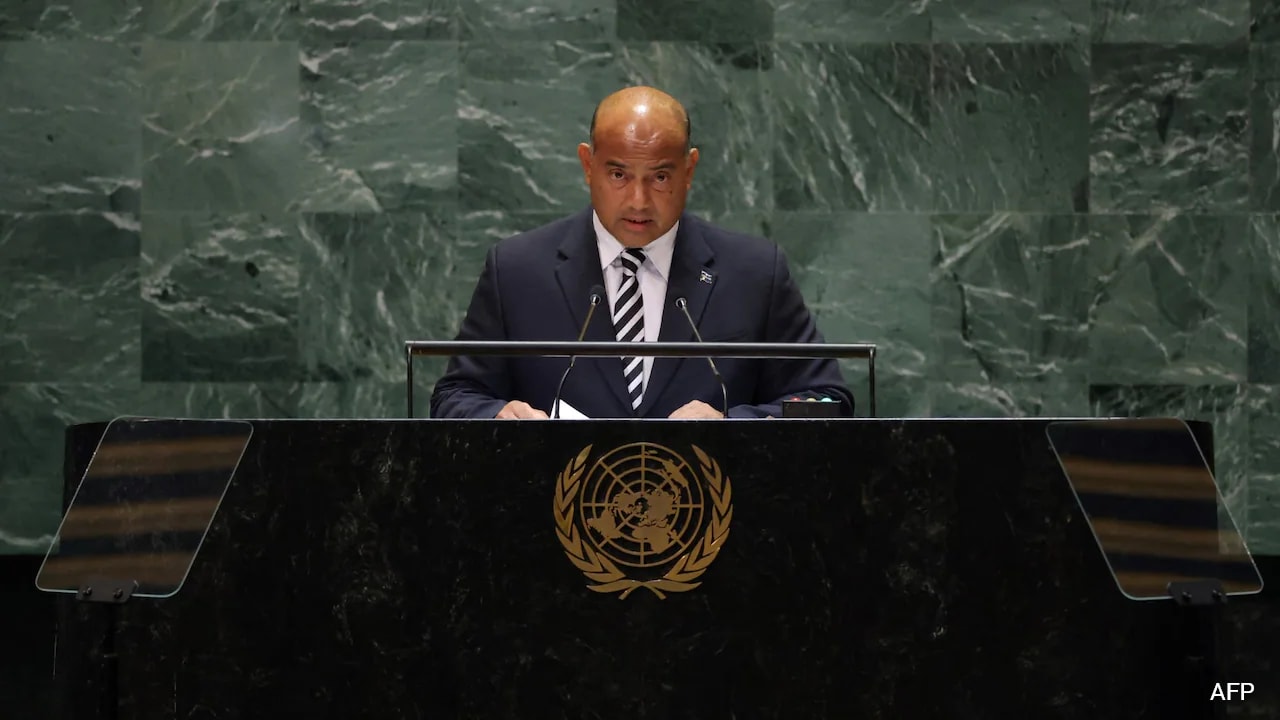
The Pacific island nation of Nauru has officially adopted a new name, the Republic of Naoero, aligning with the spelling and pronunciation used in its national language. President David Adeang announced the change, which also sees the country's international code shift from NRU to NRO, and its citizens referred to as 'dei-Naoero' instead of 'Nauruan'.
The name 'Naoero' (pronounced 'Now-ero') has long been the traditional name used by the island's residents. The earlier international designation 'Nauru' (pronounced 'Now-roo') came about as a matter of convenience for foreign speakers, not as a choice by the Nauruan people, according to government statements.
President Adeang first proposed the constitutional amendment in January, framing it as a way to honour the nation's heritage, language, and identity. Lawmakers endorsed the change in two required rounds of voting. While a referendum was initially considered, the government decided it was unnecessary. In a statement, officials said the name Naoero 'has never been lost, but rather waiting to be fully embraced,' as it already appears on the national coat of arms and is spoken throughout the community.
Nauru is the world's third-smallest country by population, with approximately 12,000 residents, after Tuvalu and Vatican City. The small coral atoll was colonised by Germany and later administered by Australia before gaining independence in 1968. Its history includes periods of great wealth from phosphate mining in the 1970s, followed by economic collapse in the 1990s when the industry declined.
Today, the island faces severe threats from climate change, including rising sea levels that endanger its low-lying land. The government has pursued overseas investment through a citizenship-by-investment programme, aiming to raise funds to relocate people and infrastructure away from the encroaching ocean.
The name change is part of a broader trend among nations reasserting pre-colonial identities. Eswatini (formerly Swaziland) made a similar change in 2018, and Turkey asked the United Nations to use its traditional name, Türkiye, in 2022. Nauru's shift also requires renaming its national aircraft and ships, and the government is seeking international recognition. The United Nations already lists the country as Naoero, following the government's request in June, and several foreign ministries and embassies have updated their references.
President Adeang described the change as 'the beginning of renewed national pride.' The move reflects a deliberate effort to align the country's international identity with its indigenous heritage, a step that officials say has been welcomed by the community.