Murmu: Public exams to be more transparent, secure, trustworthy for India's youth
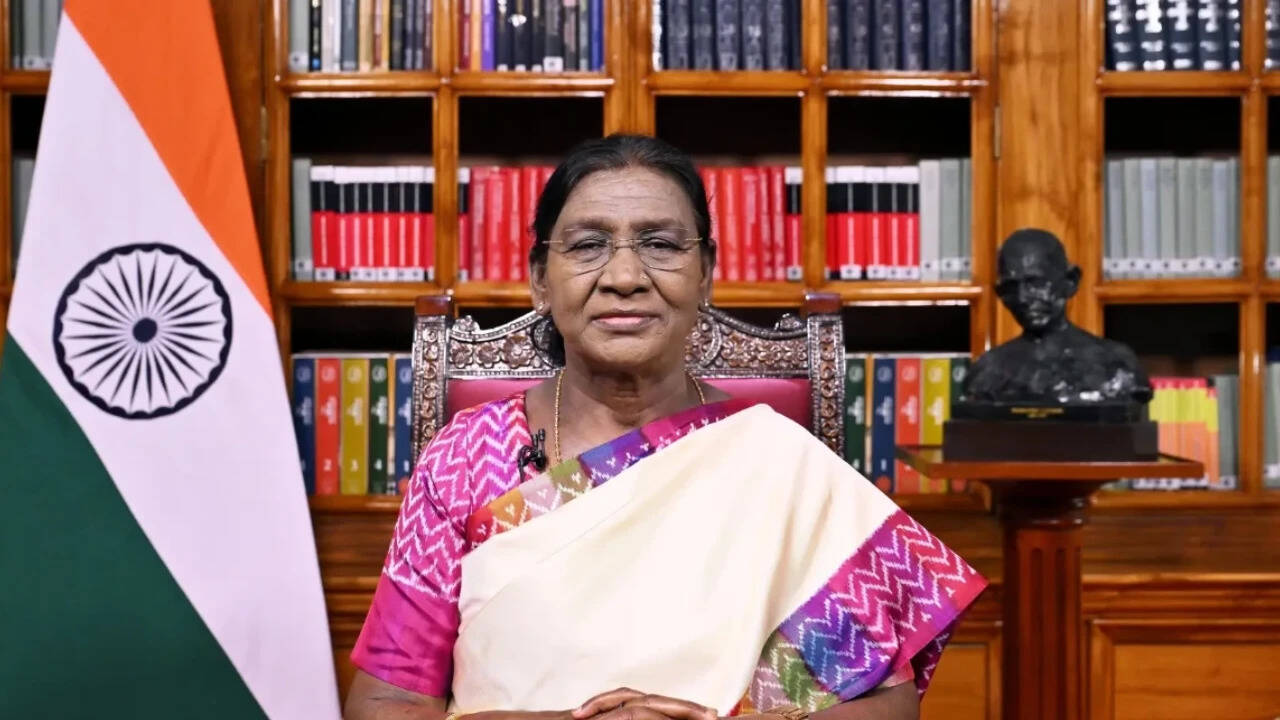
President Droupadi Murmu has affirmed that public examinations in India will be made more transparent, secure and trustworthy. Her remarks assume significance as the nation grapples with challenges to the credibility of its examination systems.
Noting that 65% of India’s population is below the age of 35, President Murmu said, “This young population is our most valuable asset.” She underscored that the future of the country rests on the shoulders of its youth and that they deserve an honest and dependable examination framework.
The President’s statement comes amid heightened public discourse on the integrity of competitive examinations. Recent instances of paper leaks and irregularities have raised questions about the fairness of the selection process. In this context, her words serve as a reassurance to millions of aspirants who appear for public examinations every year.
Examinations are not merely academic exercises; they are gateways to opportunities in higher education and public employment. For a young person from a modest background, a fair examination is often the only route to upward mobility. When that route is compromised, it undermines the constitutional promise of equality of opportunity.
India’s demographic advantage is well-documented. The world’s largest young population, if properly educated and employed, can propel the nation to new heights of economic growth and social progress. However, this advantage can turn into a liability if young people lose faith in the system. Therefore, ensuring the integrity of examinations is not just an administrative necessity but a strategic imperative.
President Murmu’s emphasis on transparency, security, and trustworthiness aligns with the principles of good governance. A transparent examination process ensures that merit is the sole criterion for success. Security safeguards the process from external manipulation. Trustworthiness builds confidence among students, parents, and the broader society.
While the President did not specify the exact policy measures, her statement signals a strong political will to reform the system. It is likely to be followed by concrete steps, including the use of technology for secure conduct of exams, stringent action against malpractices, and enhanced oversight of examination bodies.
The role of the President in upholding democratic values cannot be overstated. As the constitutional head of the State, her words carry moral authority. By directly addressing the issue of examination integrity, she has highlighted its importance in the national agenda. This is a positive development for students who have long demanded a level playing field.
In a country where lakhs of students compete for limited seats in colleges and government jobs, the sanctity of public examinations is paramount. Any lapse in this system not only harms individual careers but also erodes public trust in institutions. President Murmu’s assurance, therefore, is a step in the right direction.
In conclusion, the President’s statement underscores the need for an examination ecosystem that is fair, secure, and credible. It sends a clear message that the State will not tolerate any compromise on the integrity of public examinations. For the young population of India, this is a promise of a brighter, more equitable future.