Mumbai Court Denies Bail in Elephant Tusk Case, Cites Rising Poaching Crisis
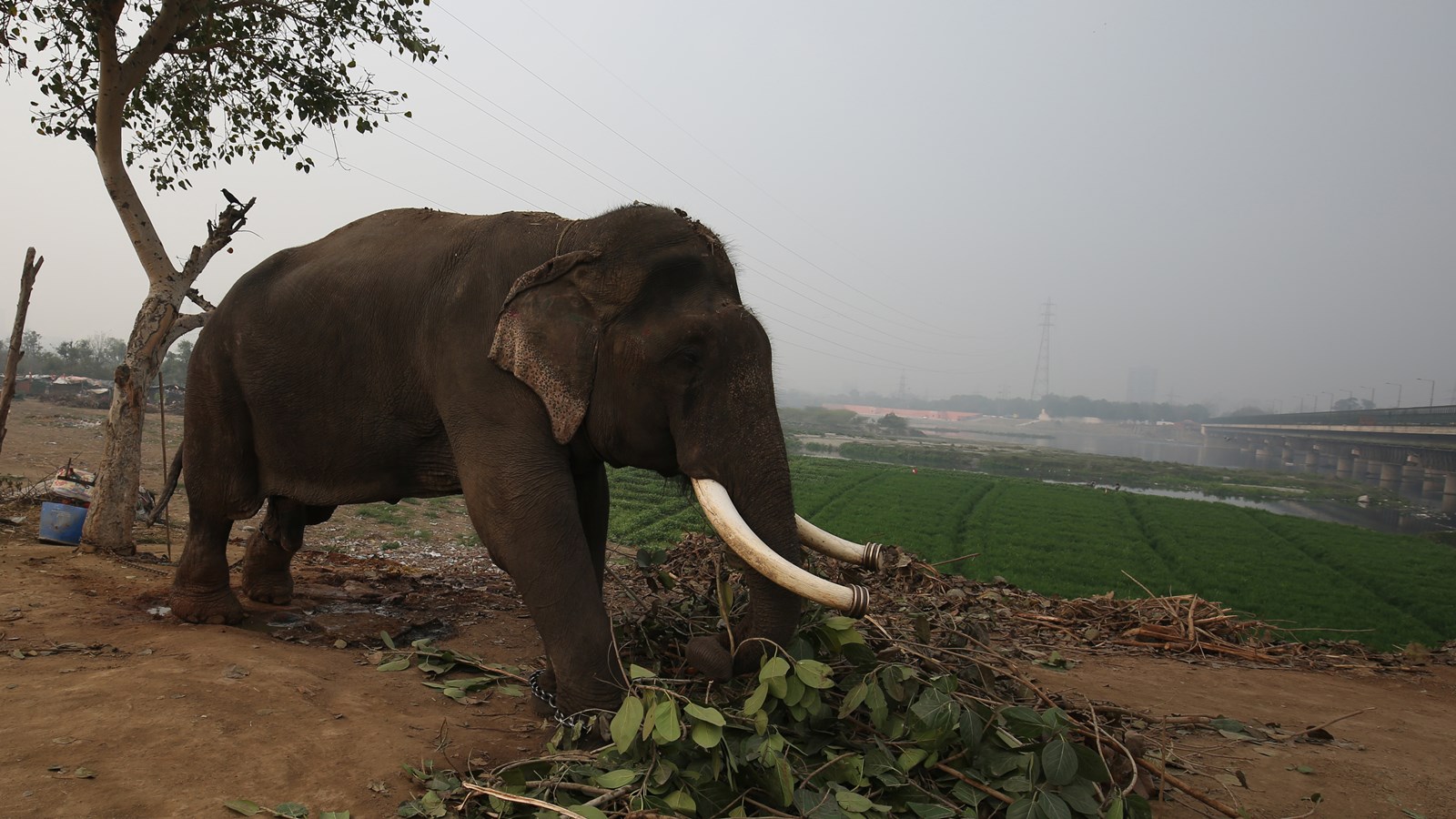
A Mumbai sessions court has denied bail to a 36-year-old man arrested for the illegal sale of elephant tusks, ruling that wildlife crimes must be treated with greater severity than ordinary penal offences. Additional Sessions Judge Nitin Jivane, in his order on Monday, emphasised that poaching remains a growing global threat, pushing many endangered species toward extinction.
“Despite the best efforts of the governments across the world, poaching of wildlife in the injured animals is still growing, and some of the endangered species are on the verge of extinction, and therefore, the offences under the said Act need to be looked at seriously, and therefore, the punishment provided is a severe one for deterrent effect,” the judge said.
The court observed that the completion of the investigation does not automatically entitle an accused to bail, particularly in cases involving wildlife trafficking. The accused had sought bail on grounds that the probe was over and he was no longer required for custodial interrogation. However, the judge rejected this argument, underscoring the need for strict deterrence to combat the illegal trade.
India is a signatory to the Convention on International Trade in Endangered Species of Wild Fauna and Flora (CITES), and domestic laws such as the Wildlife Protection Act, 1972, prescribe stringent penalties for poaching and trafficking of protected species. Elephant tusks, which are essentially ivory, are a highly sought-after commodity in illegal markets, driving the killing of elephants in many parts of the world.
The case highlights the persistent challenge of wildlife crime despite international and national efforts. According to the World Wildlife Fund, elephant populations have declined significantly due to poaching, with an estimated 20,000 elephants killed each year for their tusks. India is home to a significant population of Asian elephants, which are listed as endangered on the IUCN Red List.
The court’s decision aligns with a growing judicial recognition that environmental and wildlife offences require a different judicial approach, one that prioritises the ecological impact over procedural technicalities. The accused remains in custody as the trial proceeds.