Monsoon Session records one of lowest productivity rates in 22 years as Oppn, govt trade blame

The Monsoon Session of Parliament, which concluded on Thursday (August 13, 2026), witnessed one of the lowest productivity rates in over two decades. According to data compiled by PRS Legislative Research, the Lok Sabha recorded 19% productivity, while the Rajya Sabha recorded 39% — among the lowest figures for the Lower House in 22 years. Only two Parliament sessions since 2004 have shown lower productivity.
During the session, 12 Bills were passed, but detailed debate took place on only one — the Public Examination (Prevention of Unfair Means) Amendment Bill, 2026, commonly known as the anti-paper leak legislation. In the Lok Sabha, only two questions were answered orally, while the Rajya Sabha saw 16 oral answers. Additionally, nine Bills were passed in the Lok Sabha without any MP other than the Minister speaking on them.
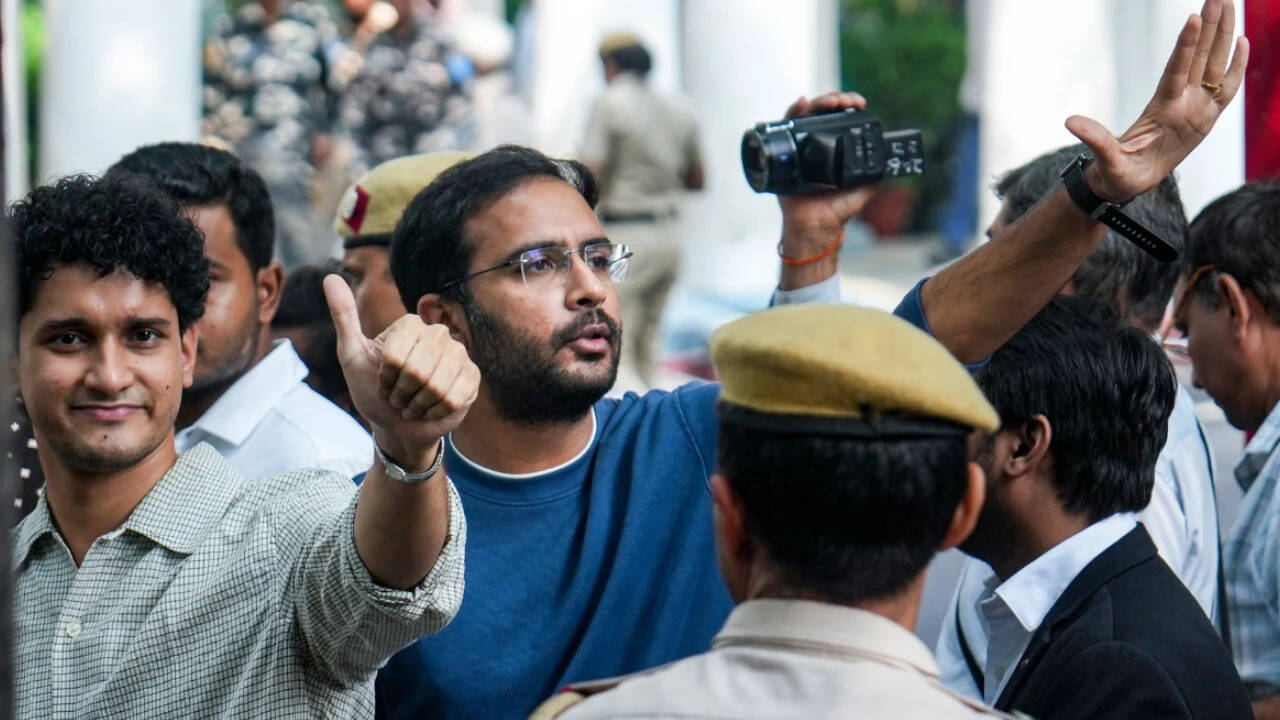
Both the government and the Opposition blamed each other for the disruption. Union Parliamentary Affairs Minister Kiren Rijiju held the Congress “solely responsible for unfairly disrupting the proceedings”, while the Congress countered that no government had ever been so “scared and rattled”. The session began with students marching towards Parliament on July 20, the first day of the sitting.
Rajya Sabha Chairman C.P. Radhakrishnan expressed “deep concern” over disruptions that “derailed” the business of the Upper House. He informed the House that it functioned for only 37 hours and 49 minutes, recording a productivity of 39.17%. “We had the opportunity to raise 285 Starred Questions, 380 Zero Hour Submissions and 380 Special Mentions. Sadly, only 16 Questions, 52 Zero Hour Submissions and 93 Special Mentions could be taken up,” he said. Lok Sabha Speaker Om Birla skipped his concluding address.
Several Opposition parties, including the Congress, Trinamool Congress, and Samajwadi Party, boycotted the customary tea party hosted by the Speaker after the House was adjourned sine die. Only Dravida Munnetra Kazhagam leader Kanimozhi Karunanidhi attended in the Lok Sabha. In the Rajya Sabha, however, Opposition leaders, including Congress president Mallikarjun Kharge and Sonia Gandhi, attended the Chairman’s tea party.
Addressing a press conference after the session, Mr. Rijiju said, “For the first time, we have seen the Opposition running away from debate in Parliament when the government wanted discussions. The Congress is solely responsible for unfairly disrupting the proceedings. This is not good for democracy, especially parliamentary democracy.” He expressed hope for “some changes” in the Opposition’s attitude in the next session.
The Opposition parties, however, held the government accountable. Trinamool Congress leader Derek O’ Brien noted that 10 of the 12 Bills passed were cleared in less than five minutes each, from the Minister moving the Bill to a voice vote. He alleged that the BJP government mocked Parliament by passing Bills without debate, and pointed out that for the first time since 1952, neither the Prime Minister nor the Home Minister entered either House until the last day.
Samajwadi Party’s Dharmendra Yadav said the government was solely responsible for the washout. “We had asked for two debates — the Ram Temple donation scam and the Delhi Police’s action on protesting students. If the government had agreed, then 17 of the 19 sittings would have functioned smoothly. But the government refused,” he said.
The Foreign Contribution (Regulation) Amendment Bill, 2026 (FCRA) was among the legislations referred to a Joint Parliamentary Committee after strong Opposition pushback. The session’s low productivity raises questions about the effectiveness of parliamentary oversight and the health of democratic deliberation, with both sides refusing to yield ground.