Monsoon Illnesses in India: Misdiagnosis Due to Overlapping Symptoms, Testing Gaps, and Climate Impact
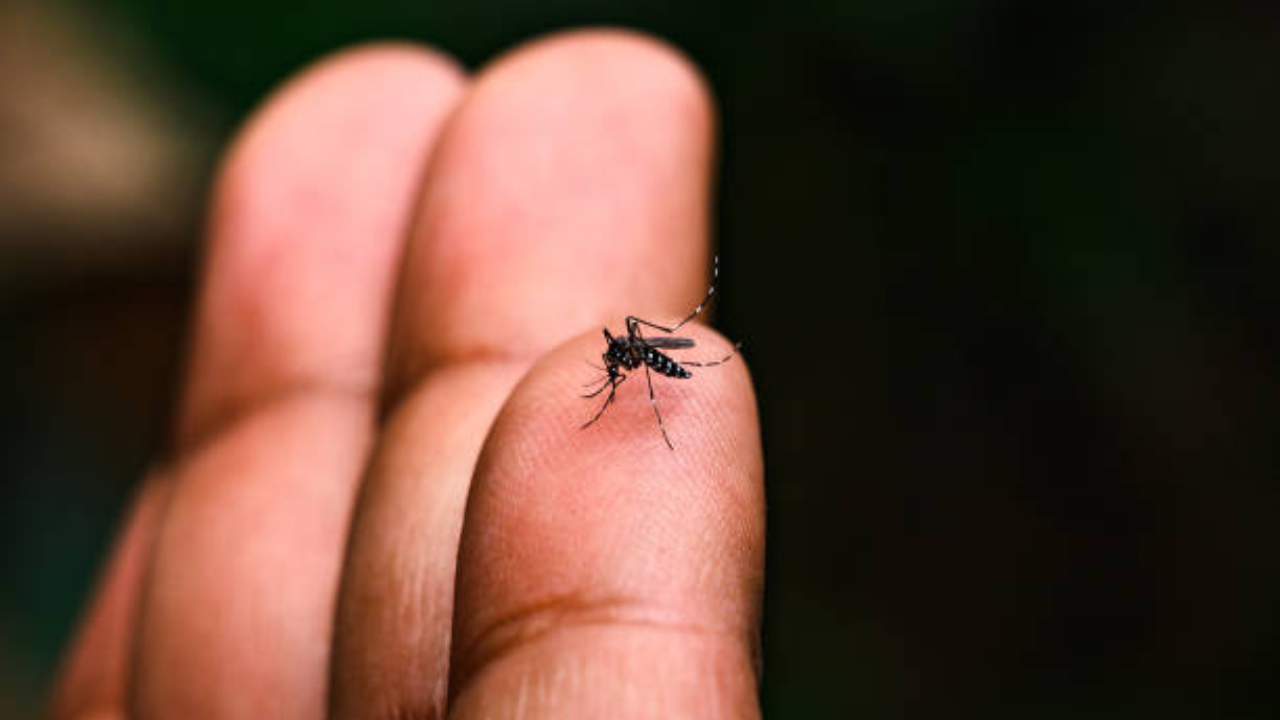
Every year during the monsoon season, India witnesses a surge in vector-borne diseases such as dengue, chikungunya, malaria, and leptospirosis. These illnesses often present with symptoms—fever, body aches, headache, and fatigue—that are strikingly similar to those of common viral fevers. This overlap, coupled with gaps in diagnostic infrastructure and the effects of climate change, leads to frequent misdiagnosis, delaying appropriate treatment and increasing the risk of complications.
According to public health experts, the primary reason for misdiagnosis is the reliance on clinical symptoms alone. In many primary health centres, especially in rural and semi-urban areas, rapid diagnostic tests for specific diseases are not always available. Doctors often prescribe broad-spectrum antibiotics or antipyretics without confirming the underlying cause. This practice can mask the true nature of the illness and exacerbate antibiotic resistance.
Climate change has further complicated the scenario. Rising temperatures and changing rainfall patterns have extended the breeding seasons of mosquitoes and other vectors. Urbanisation, with its proliferation of stagnant water in construction sites, discarded containers, and clogged drains, creates year-round breeding habitats. Consequently, diseases once confined to the monsoon months are now reported throughout the year.
Dr. R.S. Sharma, a senior epidemiologist at the National Institute of Epidemiology, explains: 'When a patient walks in with fever and joint pain, it could be dengue, chikungunya, or even a seasonal influenza. Without timely lab confirmation, we often treat symptomatically. This approach fails to identify outbreaks early and hampers vector control measures.'
The consequences of misdiagnosis are significant. Delayed treatment for dengue can lead to severe complications like dengue haemorrhagic fever, while untreated leptospirosis can cause kidney failure. Children and the elderly are particularly vulnerable. The Indian Council of Medical Research (ICMR) has recommended strengthening diagnostic networks by ensuring that every district hospital has a basic virology lab and that rapid test kits are available at the community level.
Community awareness also plays a crucial role. Many people dismiss early symptoms as 'common cold' or 'viral fever' and do not seek medical help until the condition worsens. Health campaigns during the monsoon should emphasise the importance of prompt testing, especially for children and individuals with pre-existing conditions.
In conclusion, the misdiagnosis of monsoon illnesses in India is a multi-factorial issue involving clinical overlap, limited diagnostics, and environmental changes. Addressing it requires investment in point-of-care testing, better surveillance systems, and public education. As the monsoon season progresses, healthcare providers must remain vigilant and adopt a differential diagnosis approach to ensure that patients receive timely and appropriate care.