Mini Strokes Rising in Young Adults: A Warning Sign You Cannot Ignore
Twenty-nine-year-old Aman (name changed) had always believed that stroke was a disease of old age. Like many young professionals, he juggled long working hours, tight deadlines, chronic stress, irregular meals and inadequate sleep. When he began experiencing frequent headaches, brief episodes of difficulty finding the right words and occasional numbness in his right arm, he dismissed them as signs of exhaustion. Since the symptoms lasted only a few minutes before disappearing, he convinced himself that nothing serious could be wrong.
One morning, while getting ready for work, his right arm suddenly became weak and his vision blurred. Although the symptoms subsided within 15 minutes, his family insisted that he seek immediate medical attention. Neurological examination, MRI brain imaging and blood investigations revealed that Aman had suffered a Transient Ischemic Attack (TIA), commonly known as a mini-stroke. Further evaluation uncovered an underlying blood-clotting disorder that had temporarily interrupted blood flow to a part of his brain. Fortunately, the episode caused no permanent brain damage, but it served as a powerful warning. Without timely diagnosis and treatment, his next episode could have been a major stroke resulting in lifelong disability or even death.
He was started on blood-thinning medication and treated for the underlying clotting disorder. Equally important were the lifestyle changes he adopted. He quit smoking, improved his diet, began exercising regularly, managed his stress more effectively and made sleep a priority. Within a few months, he had recovered completely and returned to his normal routine.
“Aman’s story reflects a growing reality. Stroke is no longer a condition that affects only older adults. Increasingly, we are treating patients in their 20s, 30s and 40s, who are experiencing strokes or mini-strokes, often at the peak of their careers and family life,” says Dr Aditya Gupta, Director of Neurosurgery at Artemis Hospital, Gurugram. He tells the Indian Express that mini-strokes now comprise 85 per cent of all strokes.
What is a mini-stroke?
A stroke occurs when blood flow to a part of the brain is interrupted, depriving brain cells of oxygen and nutrients. Nearly 85 per cent of all strokes are ischemic strokes or Transient Ischemic Attacks (TIAs), caused by a blocked blood vessel, while the remaining cases are haemorrhagic strokes, which result from bleeding within or around the brain. Although the causes differ, both are medical emergencies requiring immediate treatment because brain cells begin to die within minutes of losing their blood supply.
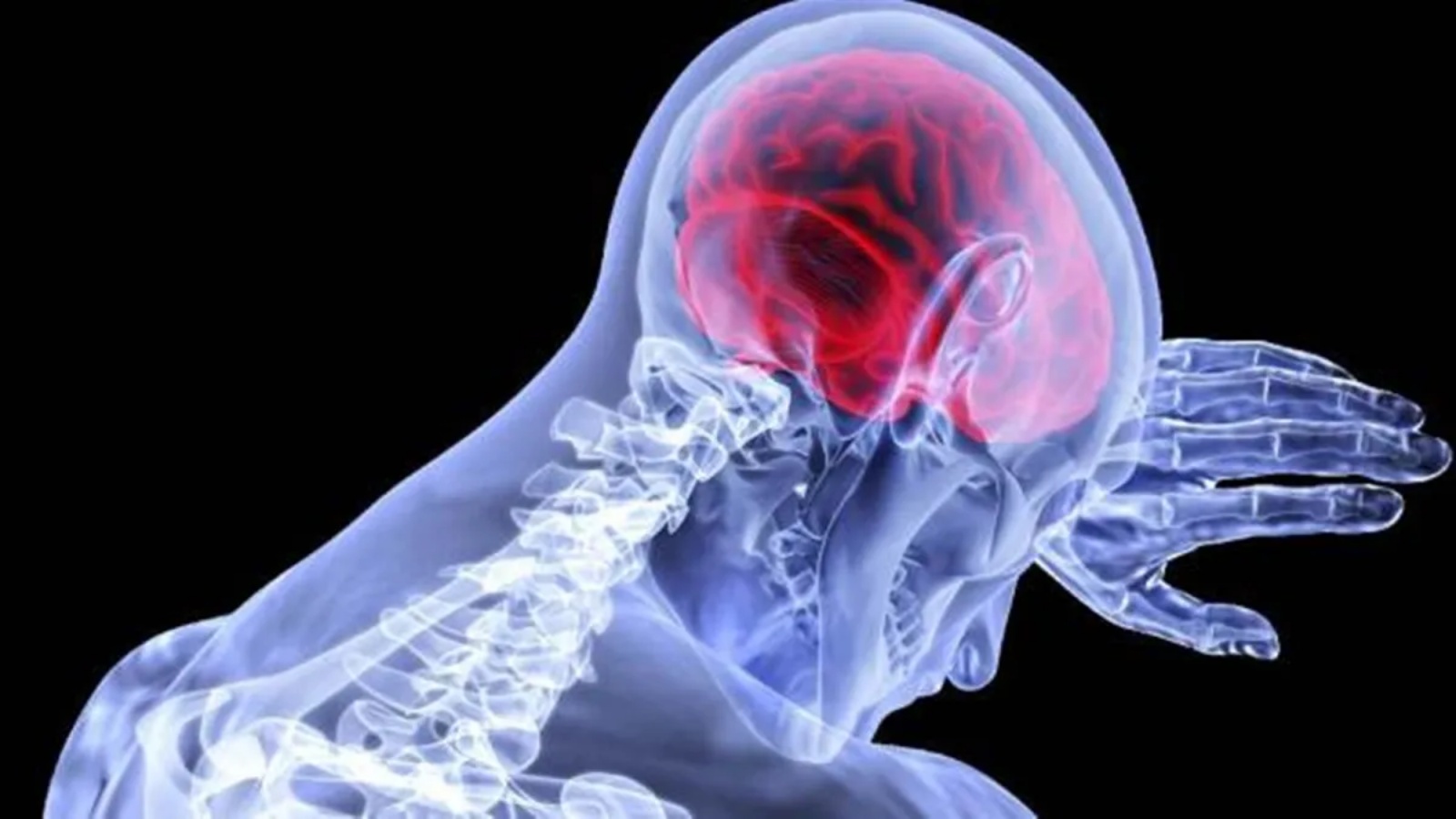
A mini-stroke occurs when blood flow to the brain is temporarily blocked. Unlike a major stroke, the blockage clears before permanent brain injury occurs, and symptoms usually resolve within minutes or up to an hour. Because patients often recover completely, many assume the episode was harmless.
Nothing could be further from the truth. A TIA is one of the strongest warning signs that a major stroke may occur in the hours, days or weeks that follow. It offers a critical window of opportunity to identify the underlying cause and begin treatment before irreversible brain damage occurs. Every TIA should therefore be treated as a medical emergency, not a condition to be observed at home.
Why are young adults becoming more vulnerable?
The reasons behind this worrying trend are multifactorial. Lifestyle-related risk factors that were once seen mainly in older adults are now increasingly common among younger people. Smoking, vaping, uncontrolled high blood pressure, diabetes, obesity, high cholesterol, physical inactivity, excessive alcohol intake, recreational drug use, chronic stress and poor-quality sleep all contribute significantly to stroke risk. Long working hours, sedentary lifestyles and diets high in processed foods have only compounded the problem.
At the same time, several medical conditions can predispose younger individuals to stroke, including blood-clotting disorders, heart defects, arterial dissections and autoimmune diseases. Identifying these underlying causes early can prevent a devastating stroke.
Warning signs to remember
The acronym FAST is a simple way to remember the sudden signs of stroke: Face drooping, Arm weakness, Speech difficulty, Time to call emergency services. Additional symptoms include sudden numbness or weakness of the face, arm or leg (especially on one side of the body), confusion, trouble speaking or understanding speech, trouble seeing in one or both eyes, difficulty walking, dizziness, loss of balance or coordination, or a sudden severe headache with no known cause. Even if these symptoms resolve quickly, they warrant immediate medical evaluation.
Dr Gupta emphasises that young adults should not dismiss transient symptoms. “If you experience any of these signs, even if they go away, seek medical help immediately. A TIA is a warning that should not be ignored,” he says.
Adopting a healthy lifestyle — including a balanced diet, regular exercise, stress management, adequate sleep and avoiding tobacco and excessive alcohol — can significantly reduce the risk of both mini-strokes and major strokes. Regular health check-ups to monitor blood pressure, blood sugar and cholesterol levels are also essential.
Aman’s story highlights a critical public health message: stroke can happen at any age, but it is preventable and treatable if caught early. Awareness of warning signs and prompt action can save lives and prevent disability.