Middle East Tensions Threaten India’s Energy Security as Strait of Hormuz Risks Mount
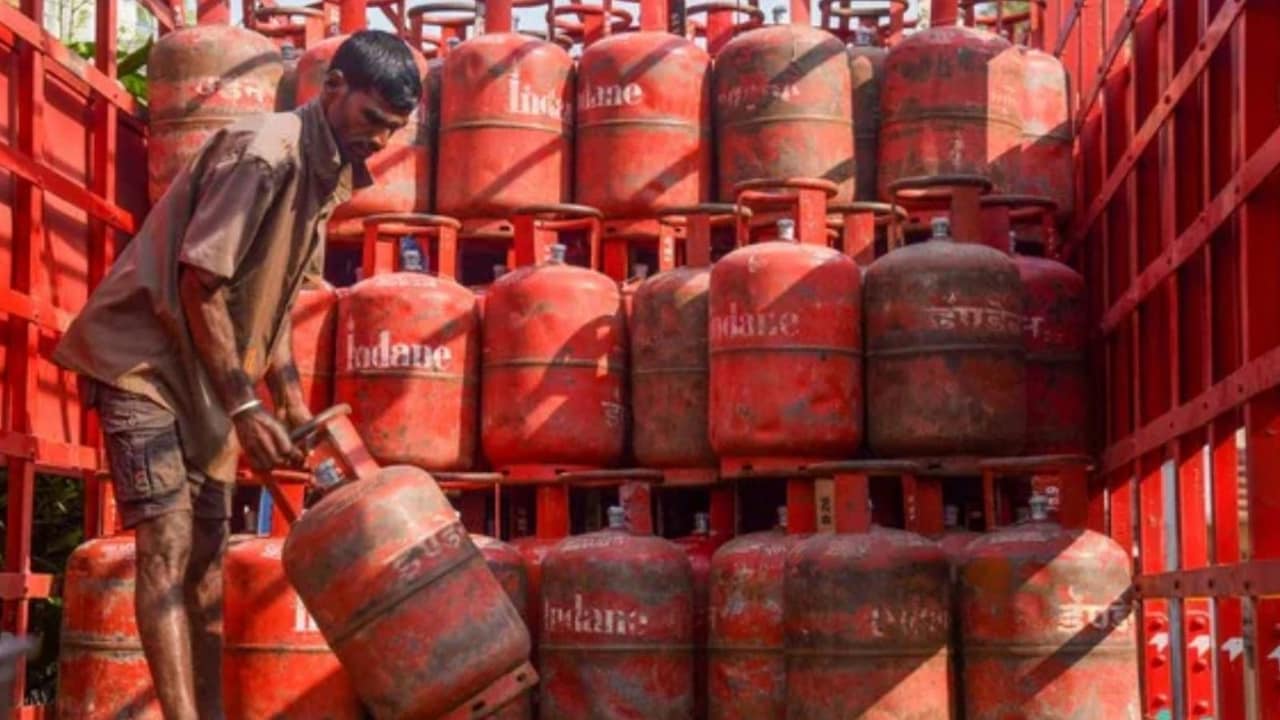
The escalating conflict between the United States and Iran is raising fresh concerns about India's energy security, with experts warning that a prolonged confrontation could increase the cost of oil and gas imports and disrupt supplies.
Kirit S. Parekh, a leading energy economist, told NDTV that any further escalation in the Middle East would directly increase India's spending on imported crude oil and natural gas. His comments come as tensions around the Strait of Hormuz deepen following recent attacks by both sides.
The Strait of Hormuz is a narrow maritime passage that handles a substantial share of global crude oil and liquefied natural gas (LNG) trade. While India has diversified its crude oil sources over the past few years, it remains heavily dependent on Gulf nations for LPG imports, making the route strategically important.
Brent crude oil futures were trading near $80 per barrel at the time of filing, having risen more than 3% on Monday due to increased uncertainty in the Middle East. Parekh also cautioned that Iran's attacks on several Gulf countries could have implications beyond shipping, potentially affecting oil and gas production.
Parekh urged India to intensify diplomatic engagement with both Tehran and Washington to safeguard its energy lifeline. He emphasized the need for New Delhi to work proactively to ensure safe passage for crude oil and LNG tankers bound for Indian ports. He also expressed concern over a recent attack on a cargo vessel carrying 11 Indian nationals, calling for the safety of Indian seafarers to be ensured at any cost.
While crude oil supplies appear relatively better insulated due to India's diversified sourcing, industries dependent on LPG remain vulnerable if disruptions worsen. A significant portion of India's LPG imports traditionally moves through the Strait of Hormuz, making the fuel more susceptible to supply shocks than crude oil.
Suraj Mehta, chief strategy officer at Hindusthan National Glass & Industries Ltd, highlighted the distinction between crude and LPG for user industries. He noted that refiners have alternatives and can rework their sourcing, but for continuous process industries like glass manufacturing, a shortfall in LPG allocation is immediate.
Mehta acknowledged that the government's recent decision to lift sectoral restrictions on non-domestic LPG helped restore industrial supplies to pre-crisis levels. However, the renewed escalation brings back uncertainty. He pointed out that the industry is better prepared this time with a wider fuel buffer and a more diversified energy mix, and is in close contact with the Ministry of Petroleum on supply matters. The long-term solution, he said, lies in expanding access to piped natural gas for industrial users.
The Strait of Hormuz remains one of the world's most critical energy chokepoints. Any disruption affects not only shipping costs but also insurance premiums and transit times. The Indian government is closely monitoring the situation and assessing potential impacts on energy supplies and prices.







