MCD Tightens Toll Rules: Auction, Recovery for Defaulters as Barrier-Free System Nears
Months before the Municipal Corporation of Delhi (MCD) transitions to a barrier-free, technology-driven toll collection system, the civic body has approved stricter bylaws to curb rampant toll tax evasion. The Delhi Municipal Corporation (Toll-Tax) By-laws 2007 will be amended to enable automatic detection of evasion, digital notice issuance, and robust recovery mechanisms, including property auction.
The amendment was passed by the MCD House on Thursday, following directions from the Supreme Court. In a letter to the Municipal Secretary, MCD Commissioner Sanjeev Khirwar highlighted that the current system suffers from widespread evasion, causing significant revenue loss. The new rules empower the corporation to recover dues even by auctioning vehicles or other property if owners fail to pay toll, penalty, or arrears within the deadline.
Under the revamped approach, the MCD plans to install automatic number plate recognition (ANPR) cameras and radio-frequency identification (RFID) readers at all 13 entry points into Delhi. These systems will automatically detect vehicles that evade toll or environment compensation charge (ECC), generate digital notices, and initiate recovery without manual intervention. This shift aligns with a broader push for contactless, transparent toll collection.
The current bylaws, framed in 2007, lacked provisions for such technology-led enforcement. Officials said the amendments are essential to plug revenue leakages and ensure compliance. The MCD collects toll tax from commercial vehicles entering Delhi, with rates varying by vehicle type. In addition, an environment compensation charge is levied on diesel trucks, aimed at curbing pollution.
Revenue from toll tax and ECC is a crucial source for the MCD, funding civic services such as road maintenance, street lighting, and waste management. However, evasion has been a persistent problem. According to MCD estimates, a significant percentage of vehicles skip payment, leading to losses of hundreds of crores annually. The new system is expected to reduce evasion drastically.
The Supreme Court had earlier directed the MCD to implement an efficient toll collection mechanism and recover arrears. The court also flagged concerns over pollution and non-compliance with environmental norms. The amended bylaws are seen as a response to these directives.
For commuters, particularly truck drivers and fleet operators, the change means strict adherence to payment deadlines. The MCD has clarified that notices will be sent digitally via email or SMS, and defaulters will have a limited period to pay. Failure will trigger recovery proceedings, including attachment of movable or immovable property.
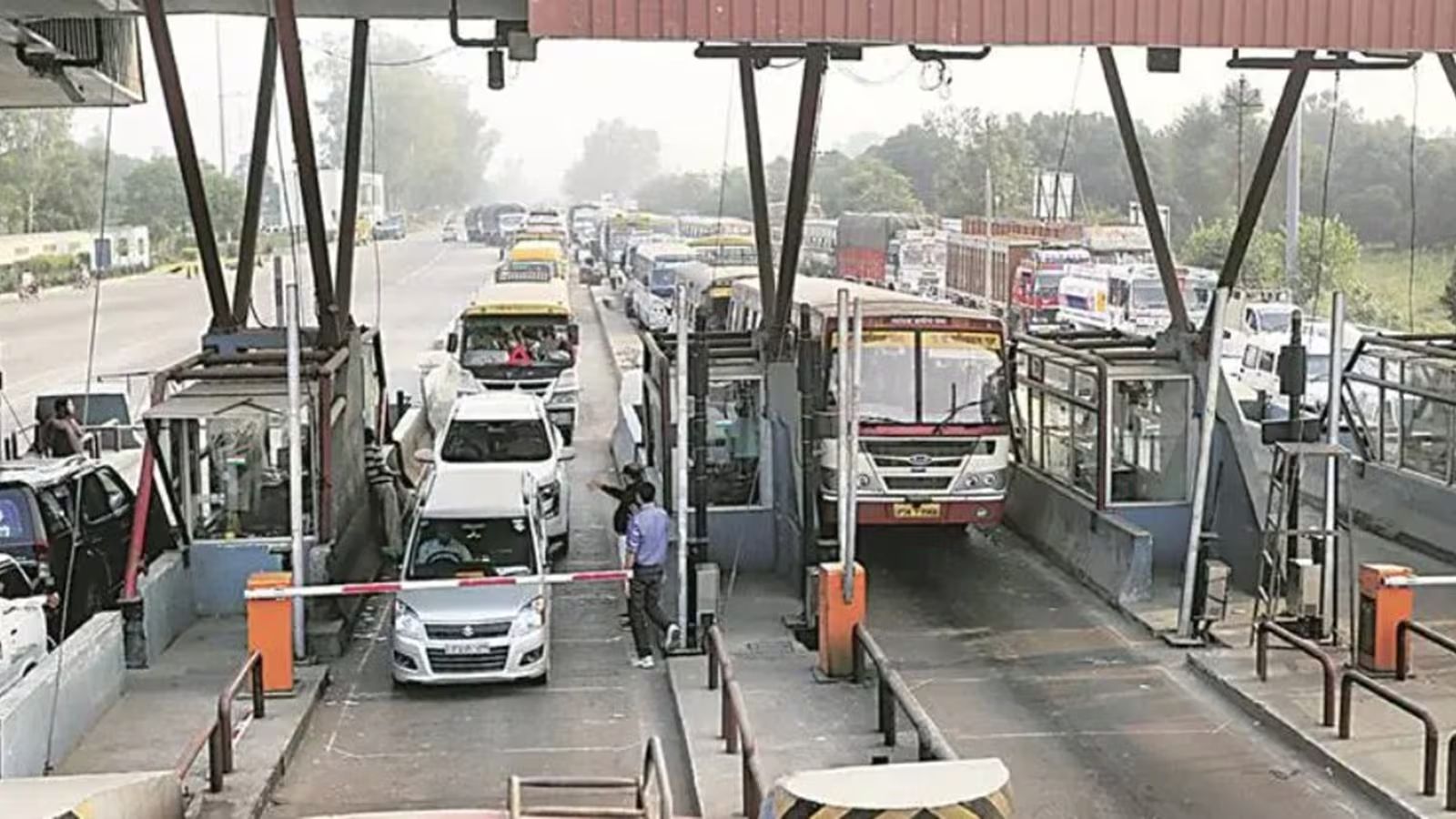
The MCD plans to roll out the barrier-free system within this year. Currently, toll plazas cause congestion and delays at entry points. With automated systems, vehicles will pass without stopping, reducing travel time and fuel wastage. However, the MCD will continue manual inspections at random intervals to enforce compliance.
Experts have welcomed the move but caution that the success of the system depends on robust infrastructure, data accuracy, and a transparent grievance redressal mechanism. Civil society groups have urged the MCD to ensure that the recovery process does not unfairly target small transporters or individuals.
The MCD has said it will issue public notices and conduct awareness campaigns before fully enforcing the new rules. The aim is to balance efficient revenue collection with minimal disruption to traffic flow and citizens' convenience.