Madras High Court Orders Anonymity for Couples in Mental Illness Matrimonial Cases
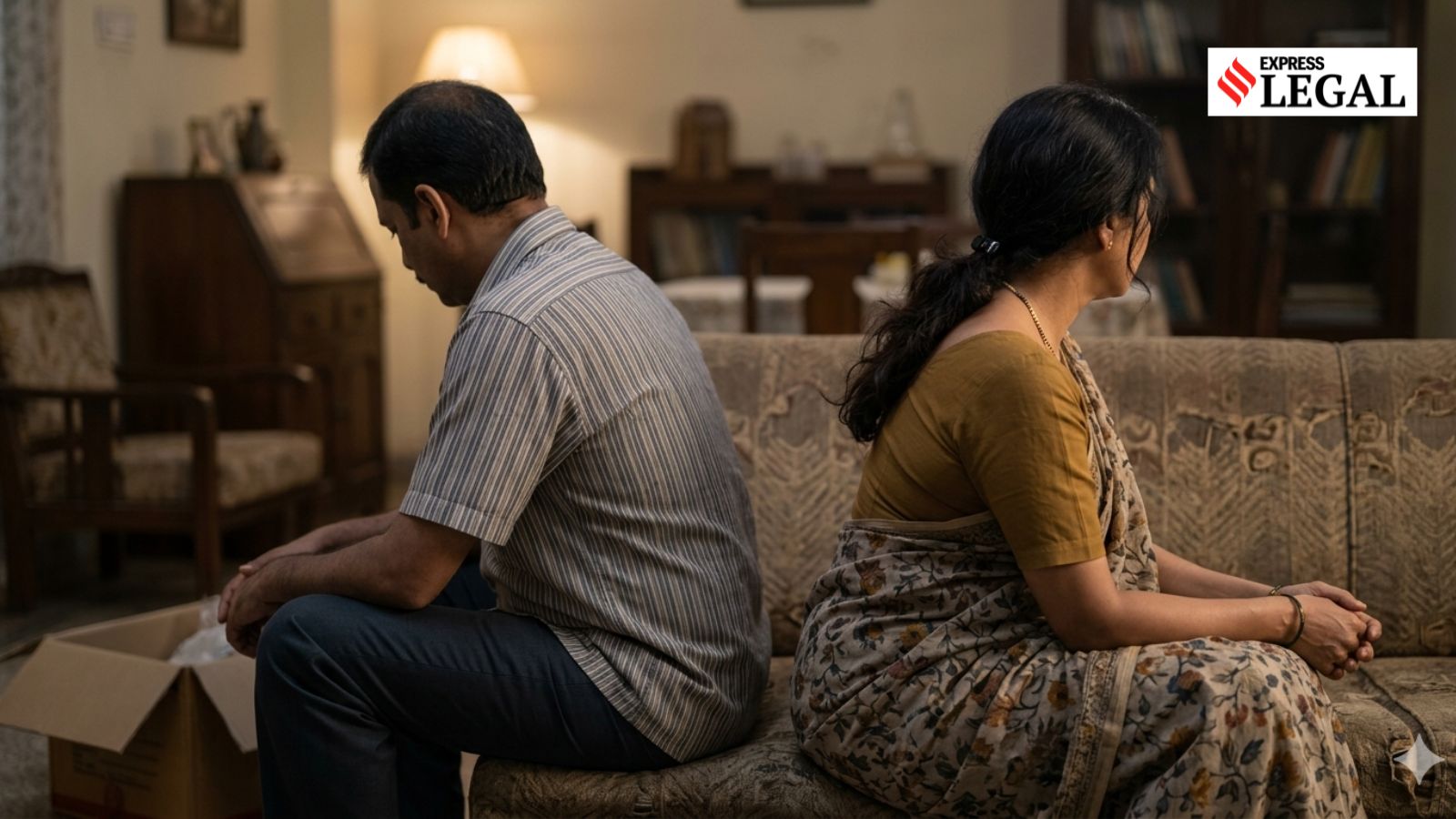
In a landmark ruling aimed at protecting the dignity of individuals facing allegations of mental illness in matrimonial disputes, the Madras High Court has directed that parties in such cases be referred to as 'X' and 'Y' or similar anonymised descriptions. The court's order prohibits disclosure of names, addresses, or any identifying particulars.
A division bench of Justices N Anand Venkatesh and K K Ramakrishnan issued the directions while dismissing a husband's appeal against a family court order that refused to dissolve his marriage on grounds that his wife allegedly suffered from schizophrenia and had concealed the condition before marriage.
The court observed that matrimonial litigation involving allegations of schizophrenia or any serious mental disorder, whether ultimately proved or disproved, casts a long shadow upon the dignity, privacy, reputation, and social acceptance of the individuals involved. Public disclosure of identities could lead to psychological injury, social ostracism, enduring emotional trauma, and lifelong stigma—consequences that can legitimately be avoided.
The bench noted that contemporary Indian society is increasingly witnessing marital discord, intolerance, and breakdown of matrimonial relationships. In this context, protecting the identity of litigants helps prevent further harm.
The husband had argued that after marriage, doctors discovered his wife had schizophrenia, allegedly concealed by her family before the wedding. He claimed she displayed abnormal behaviour, including speaking incoherently late at night, and argued that suppression of her mental illness amounted to cruelty, entitling him to divorce under Section 13(1)(iii) of the Hindu Marriage Act.
The wife denied suffering from schizophrenia and asserted that the allegations were fabricated to evade marital obligations. She maintained the couple lived happily after marriage, travelled on a honeymoon, and conceived a child before disputes arose. She also alleged dowry demands, cruelty by her husband and in-laws, and claimed she was forced to undergo an abortion at an advanced stage of pregnancy.
After examining evidence, the trial judge dismissed the husband's divorce petition and allowed the wife's plea for restitution of conjugal rights. The husband then appealed to the High Court.
The High Court remarked that marriage should be viewed in light of modern psychiatric and psychological understanding as an intimate emotional partnership where affection, companionship, emotional security, physical closeness, and mutual support form the foundation of mental well-being and emotional stability.
Relying on Supreme Court precedents, the bench observed that schizophrenia by itself is not a ground for divorce; the severity and impact on matrimonial life must be established through cogent evidence. 'Mere abnormal conduct, eccentricity, or isolated symptoms, without further aggravating circumstances affecting matrimonial life, would not constitute a valid ground for divorce,' the court held.
The court emphasised that within the Indian family system, a daughter-in-law should be treated with the same affection, care, dignity, and respect as a daughter. Treating the daughter-in-law as one's own daughter implies that, just as a family would care for a daughter in times of illness, they must equally protect and support the daughter-in-law. The court concluded that the husband and his family's conduct showed an intention to secure a divorce by any means, which was not justified.