Ladakh hill council plan revives debate over political representation
The Ladakh administration's decision to establish Autonomous Hill Development Councils (AHDCs) in each of the Union Territory's seven districts has reopened a debate on how political power should be distributed in the region. While officials describe the move as a step towards grassroots governance, civil society groups argue it could weaken the representative political structure they have been demanding under Article 371.
On Monday, the administration announced that councils would be formed in all seven districts, including the five newly created ones: Drass, Sham, Nubra, Changthang and Zanskar. Until now, only Leh and Kargil had such councils. Chief Secretary Ashish Kundra stated that the councils respond to long-standing demands from residents of the new districts and represent a major step towards democratic decentralisation. He also noted that discussions with the Centre had broadly agreed on creating a Union Territory-level representative body under a customised framework under Article 371.
The two main civil society groups negotiating Ladakh's future with the Centre — the Apex Body, Leh (ABL) and the Kargil Democratic Alliance (KDA) — oppose the move. ABL co-chairman Chherring Dorje Lakruk said empowering seven district councils could leave little meaningful authority with the proposed Article 371 body. KDA co-chairman Sajjad Kargili termed the move 'maximum government and minimum governance', questioning how seven councils would improve governance when existing councils have steadily lost powers.
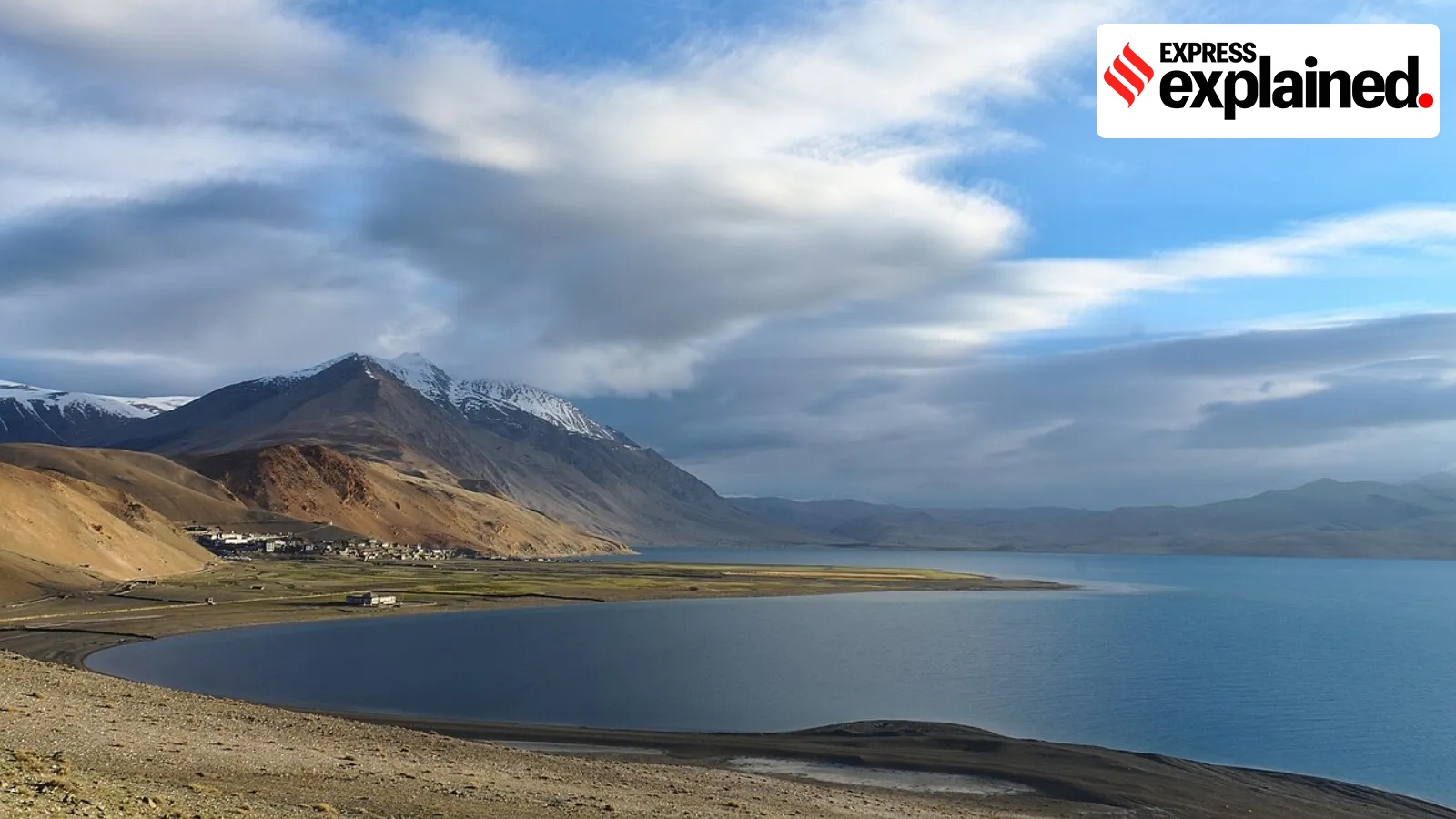
The government maintains that the two initiatives are complementary. Section 3 of the Ladakh Autonomous Hill Development Council Act provides for a council in every district through government notification. Officials argue that creating seven districts logically necessitates seven councils. Ladakh's geography — spanning nearly 60,000 sq km with a population of barely 3 lakh — makes decentralised administration a long-standing demand, as many villages are separated by mountain passes and hours of travel.
The debate also raises a broader constitutional question: How to balance administrative decentralisation with effective political representation in a Union Territory with such a small population? Civil society leaders warn that once seven hill councils, Panchayati Raj institutions, the UT administration and a future Article 371 body all coexist, lines of political accountability may become blurred. The disagreement reflects a trust deficit that has widened between Ladakh's leadership and the Centre since the region became a Union Territory in 2019.