Kerala's leptospirosis crisis: Why monsoon turns deadly and who is at risk
Leptospirosis, a bacterial infection transmitted from animals to humans, has become Kerala's most lethal communicable disease. The state has reported around 5,000 cases and nearly 400 deaths each year for the past three years. In July this year alone, 50 people have died from the disease, prompting renewed concern among health officials and the public.
The disease, caused by pathogenic Leptospira bacteria, has been endemic in Kerala since 1989. It thrives in the state's unique environment—heavy monsoon rains, frequent floods, and year-round moisture create ideal conditions for the bacteria to survive in soil, lakes, and canals. Rodents and other animal carriers live in close proximity to human settlements and farms, increasing the risk of transmission.
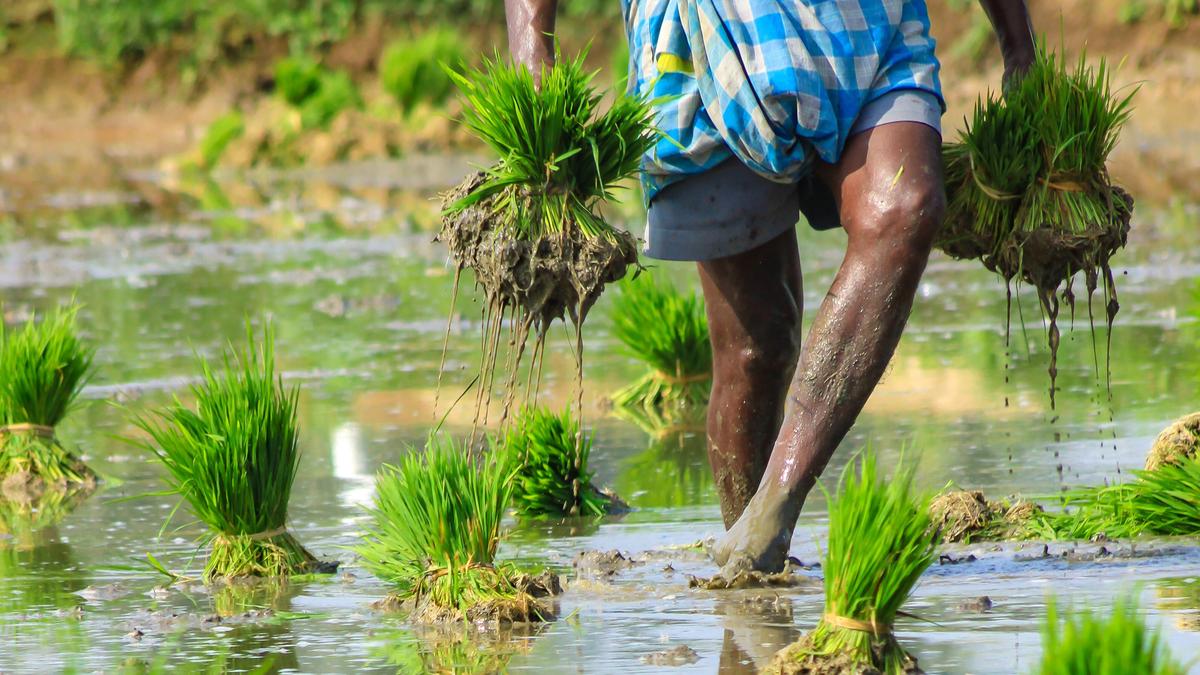
Agricultural workers, particularly those engaged in paddy cultivation, pineapple plantations, and canal cleaning, are most exposed to contaminated water. The bacteria enter the body through broken skin or mucous membranes. The state health department, however, notes that leptospirosis is endemic in at least 12 other states as per National Centre for Disease Control data. It suggests that Kerala's better surveillance, extensive diagnostic facilities, and aggressive logging of both confirmed and probable cases make its burden appear higher than elsewhere.
The disease has traditionally been an occupational hazard, affecting farmers, dairy workers, and sanitation staff—those who regularly come into contact with soil and contaminated water. However, cases have also emerged in urban settings, including women who contracted the disease while gardening, possibly without wearing gloves. The health department has identified construction workers, especially migrant labourers employed on highway projects, as a heightened risk group due to their constant exposure to soil. The proliferation of wayside eateries has also increased the chance of rodent contamination in public spaces.
Recent data released by the state health authorities show that in 2025, manual labourers accounted for 36.75% of leptospirosis deaths, followed by agricultural labourers at 10.94% and homemakers engaged in gardening at 10.16%. These figures highlight that those in low socio-economic strata bear the brunt of the disease, though urban cases are not negligible.
The rising case fatality rate is a major concern. Health experts attribute it to late diagnosis and rapid progression of the disease. Complications such as pulmonary haemorrhage and multi-organ failure can develop within 4.5 to 5 days of symptom onset, leaving clinicians a very narrow window for intervention. Earlier, complications typically appeared only in the second week of illness. In the post-Covid era, an exaggerated immune response, including a sudden cytokine storm requiring mechanical ventilation, has been observed in severe cases of many infectious diseases, including leptospirosis.
Leptospirosis presents a wide spectrum of severity—from mild, subclinical illness to severe disease with fever, muscle pain, conjunctival suffusion, and gastrointestinal symptoms. In only 5–10% of cases does the disease worsen, and the prognosis becomes unpredictable. The initial symptoms are often mistaken for other viral fevers, causing delays in seeking appropriate medical care.
Public health interventions must focus on early diagnosis, awareness among high-risk groups, and preventive measures such as protective footwear and gloves for agricultural workers. Timely antibiotic treatment can be life-saving, but the challenge lies in ensuring that vulnerable populations receive care before the disease spirals into life-threatening complications.