Kerala's Independence Day event without Vande Mataram sparks political row

Kerala's official Independence Day function on August 15 did not include the rendition of Vande Mataram, the national song, leading to a political controversy in the state. The Left Democratic Front (LDF) government, which organised the function, has faced criticism from the Bharatiya Janata Party (BJP) and questions from within its own ranks, while the Congress has dismissed the issue as a manufactured controversy.
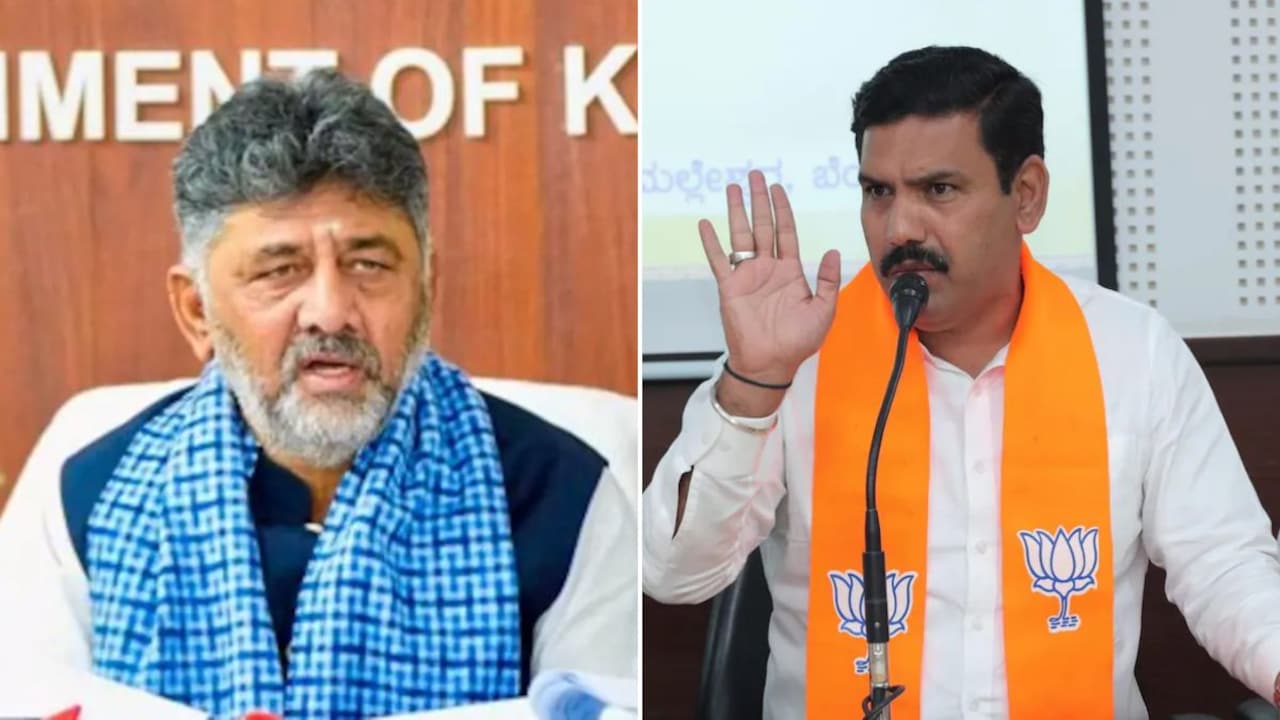
BJP state president Rajeev Chandrasekhar termed the omission a "serious constitutional and legal issue". He said the government, which has sworn to protect the Constitution and uphold the rule of law, must have the same responsibility towards national symbols. "Why is there a different approach only in Kerala when the national anthem and national song are part of official functions in Congress-ruled states like Karnataka, Telangana, Himachal Pradesh and Jammu and Kashmir? The echoes of the divisive politics that divided the country during the time of Muhammad Ali Jinnah are rising again in Kerala. The situation raises the question of whether the Muslim League and Jamaat-e-Islami are controlling the Congress," he said.
BJP national president J.P. Nadda, in a post on X, accused the Congress of bowing before extremists and said that this has become the party's permanent policy. "For the sake of their dirty politics of appeasement, they have insulted thousands of freedom fighters who had this very song on their lips and sacrificed their lives for the nation. This is not merely an incident of stopping a song, but a mark of that dynastic arrogance under which the Congress is averse to every single thing in India that this nation takes pride in," he wrote.
Communist Party of India (CPI) state secretary Binoy Viswam questioned the full rendition of Vande Mataram at the All India Congress Committee (AICC) headquarters in Delhi and in Congress-ruled states. "A secular party can never agree to the rendition of the full version of Vande Mataram as was done at the AICC headquarters. The Congress lacks ideological clarity and is not sure of its own politics. If all its claims as the inheritors of Gandhi and Nehru's ideology are true, they should apologise for what happened," he said.
Congress general secretary K.C. Venugopal rejected the criticism, calling it a "calculated move" by the BJP to divert public attention from real challenges. Speaking in Kollam, he listed issues such as the use of pellet guns against students protesting exam irregularities, alleged corruption in the construction of the Ram Temple in Ayodhya, and the Central government's silence on alleged Chinese incursions into Indian territory, including in Arunachal Pradesh. He accused the ruling party at the Centre of stoking unnecessary debates.
Vande Mataram, composed by Bankim Chandra Chattopadhyay, has been a symbol of India's freedom struggle. It was adopted as the national song in 1937, though it is not the national anthem. The controversy underscores differing political positions on the song, with some parties viewing it as a secular national symbol and others objecting to its full version due to certain religious connotations. The LDF government has not yet commented on the skipping of the song, and it remains unclear whether the omission was intentional or an oversight.