Kerala government faces backlash over tax cut on low-alcohol beverages
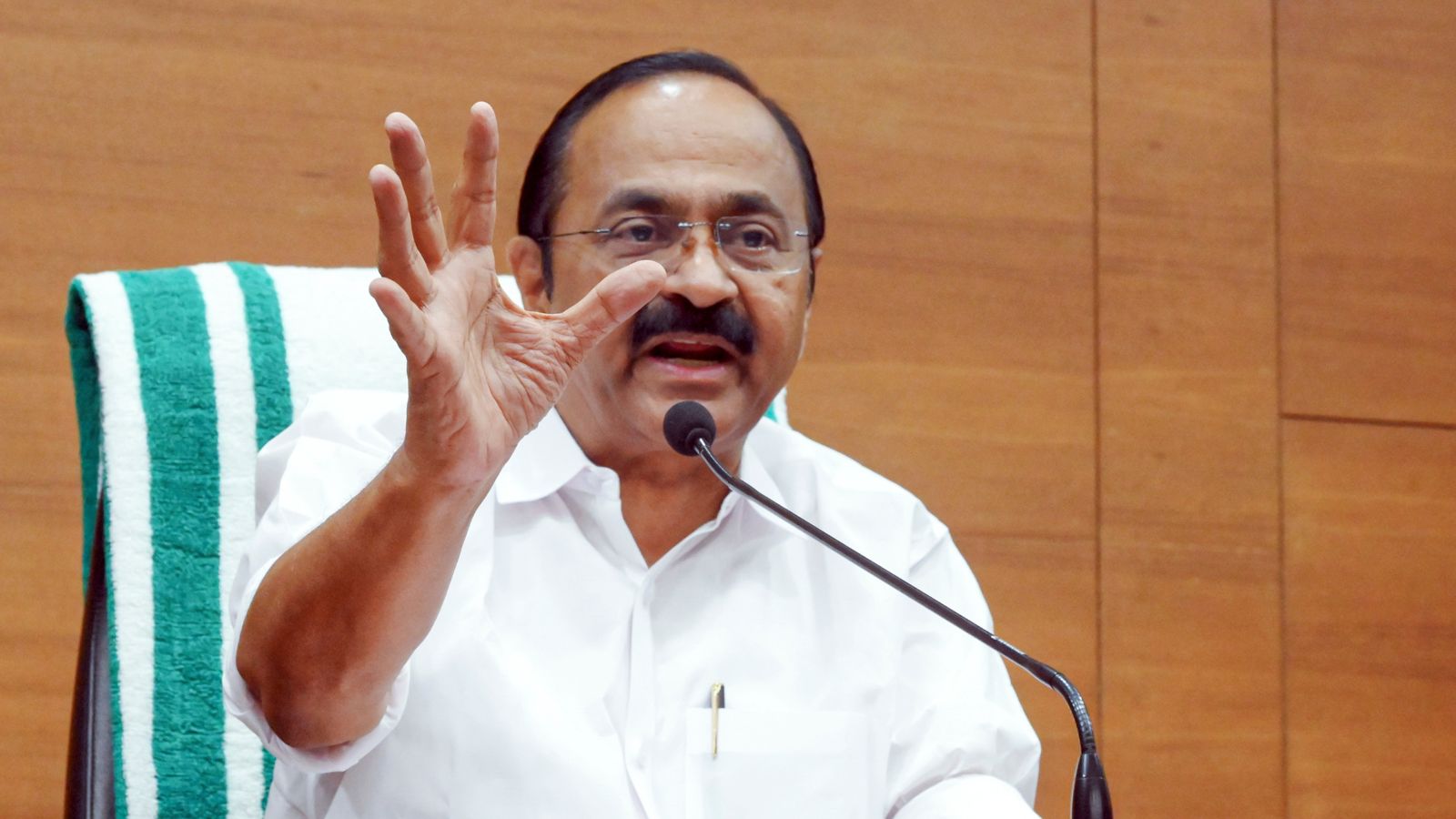
The month-old Congress-led United Democratic Front (UDF) government in Kerala is facing criticism from within its own party, allies, and religious organisations over a Budget proposal to reduce taxes on low-alcohol beverages. The move has revived memories of the liquor policy controversies that affected the previous UDF government and contributed to its electoral defeat in 2016.
Presenting the revised Budget for the current financial year, Chief Minister V D Satheesan proposed reducing the sales tax on beverages with alcohol content between 0.5% and 10% by volume (v/v) from 251% to 120%. For products with alcohol content above 10% and up to 20% v/v, the tax has been lowered to 175%. Currently, all Indian-made foreign liquor (IMFL) products in Kerala attract a uniform sales tax of 251%, irrespective of alcohol content. Since low-alcohol beverages are not currently sold in Kerala due to the high tax, the move is seen as paving the way for their entry into the market.
Senior Congress leader V M Sudheeran, who supported Satheesan during the chief ministerial race, has openly opposed the proposal and written to Satheesan seeking its withdrawal. Sudheeran argued that the proposal contradicts the UDF’s election promise to pursue policies aimed at reducing liquor and drug consumption. “The Budget should not contain proposals that go against the UDF manifesto. The tax reduction is against its spirit and will encourage alcohol consumption. It should be withdrawn,” he said in his letter.
AICC general secretary (organisation) K C Venugopal expressed concern over the issue. “There are concerns about the liquor policy. It is a new government. If it involves policy matters, the party will discuss it and address the concerns,” he said.
The proposal has also caused unease within the government. Excise Minister M Liju, reportedly close to Venugopal, objected that his department was not consulted before the Finance Department, headed by Satheesan, took the decision. Home Minister Ramesh Chennithala, who recently launched an anti-drug campaign, sought to downplay the controversy, stating that the liquor policy is not yet finalised and that the Budget proposal only relates to taxation. “There will be discussions before any final decision is taken,” he said.
The Indian Union Muslim League, a UDF ally, also raised the issue. Its state president Sadiq Ali Shihab Thangal, in an article in the party daily Chandrika, demanded that concerns about the tax proposals be addressed. Religious organisations have also joined the criticism. Archbishop Joseph Pamplany said the Catholic Church could not accept the government’s decision, particularly while it is simultaneously pursuing an anti-drug campaign. “Our temperance movement has already conveyed the Church’s concerns to the government. The proposal should be abandoned,” he said. The Orthodox Church urged the government to reconsider, stating that the mandate was not to encourage alcohol consumption. Several Muslim organisations opposed the proposal, arguing that easier access to low-alcohol beverages could encourage drinking among young people.
Defending the proposal, Chief Minister Satheesan said the previous Left Democratic Front (LDF) government had already taken a policy decision to permit the sale of low-alcohol content beverages, and the present government had merely rationalised the tax structure. However, his position has drawn accusations of inconsistency, as he had criticised the LDF government’s liquor policy while in opposition. It remains to be seen whether Satheesan will roll back the tax reduction amid mounting pressure.