Centre tells Meta to curb deepfakes, mulls legal steps over intermediary status
The Union government has asked Meta to take action against deepfake content on its platforms, while it examines whether the social media giant is complying with intermediary provisions under Indian law, according to sources familiar with the matter. A legal opinion on further steps is expected after the government reviews the outcomes of its meetings with the company.
The development follows a series of technical and high-level discussions between the government and Meta, during which the company outlined its plans to address concerns over deepfakes, child sexual abuse material (CSAM), and unlabelled synthetic content. Sources said the government is also likely to seek responses from other social media platforms as it examines whether they meet the definition of intermediaries under the country's laws.
Under India's Information Technology (IT) rules, intermediaries are platforms that merely host user-generated content and are required to follow due diligence obligations. However, sources indicated that if Meta and other platforms exercise control over what content is shown to users, their role could be viewed as akin to 'publishing', making them responsible for the content and actions on their platforms. This interpretation could have significant legal implications for how social media companies operate in India.
The latest discussions came a day after the government held technical talks with Meta, during which the company explained how its systems operate and presented proposed measures to tackle the concerns raised by the government. Meta said it had solutions to address deepfakes, CSAM, and bot accounts, and explained how these measures could be deployed on its platforms, sources said.
The technical discussions followed two days of meetings in which Union IT Minister Ashwini Vaishnaw questioned Meta's team, led by global affairs head Joel Kaplan, over its content recommendation algorithms and compliance with Indian laws. During Thursday's meeting, the Meta team was questioned on safeguards in place to ensure that constitutional and legal requirements are met. Sources had earlier said Meta acknowledged that there were 'serious issues' and assured the government that it would take continuous steps to address them.
The government, meanwhile, will continue to push the company to undertake sustained measures and improvements to address its concerns, the sources added. This includes ensuring that platforms proactively identify and remove illegal content, such as CSAM and deepfakes that could mislead or harm users.
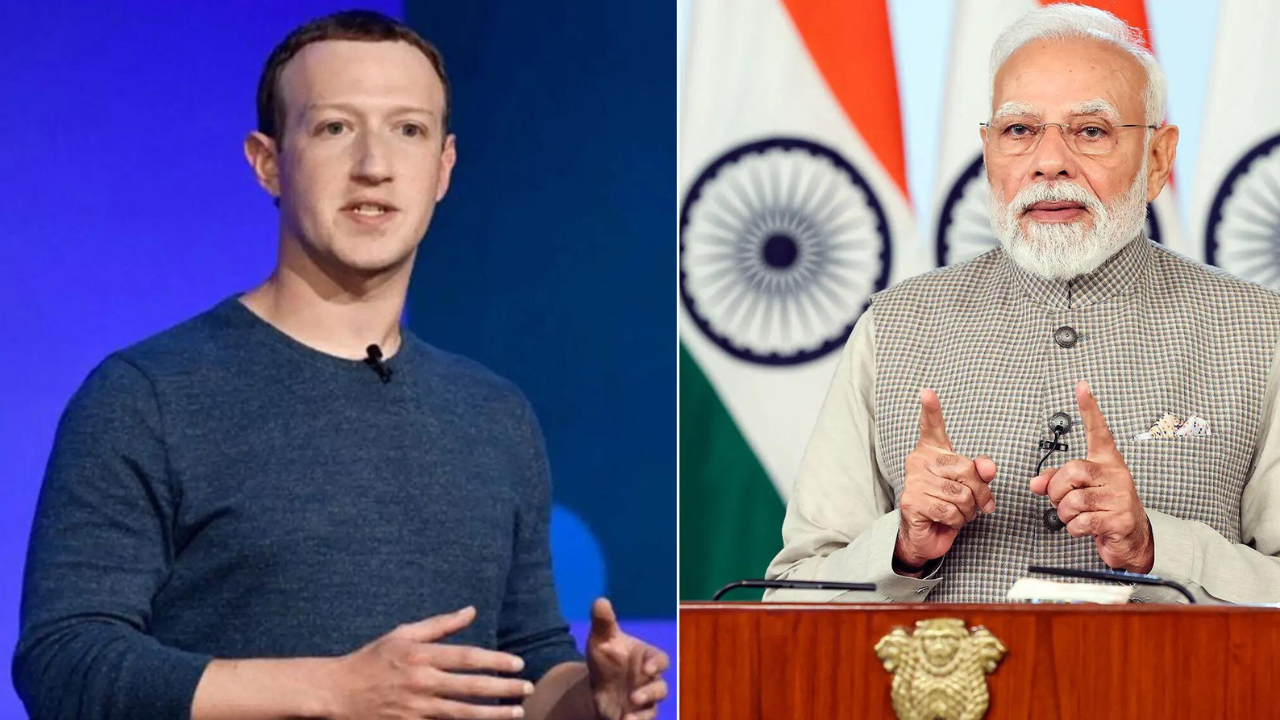
The meetings were convened after the government summoned Meta over the temporary restriction of Prime Minister Narendra Modi's Facebook post. On Wednesday, Meta apologised for the temporary removal of the PM's post and acknowledged failures related to CSAM content and deepfakes, as well as the promotion of certain content after being paid 'a lot of money'. The company assured the government that it was taking the concerns seriously and was 'working hard' to address issues related to deepfakes, CSAM, bot accounts, and synthetic content.
Legal experts say the government's examination of Meta's intermediary status could prompt a broader review of how all social media platforms are regulated in India. If platforms are determined to be publishers, they could face stricter liability for user content, potentially reshaping the digital ecosystem. The government's next steps, including any legal action, remain unclear until the legal opinion is finalised.
This move signals a tougher stance by the Centre on online safety, particularly around AI-generated content. As deepfake technology becomes more accessible, governments worldwide are grappling with how to regulate it without stifling innovation. In India, the focus is now on ensuring that platforms like Meta comply with existing laws and take concrete action against harmful content, while protecting users' constitutional rights.