Karnataka passes ₹7,028 crore supplementary bill; CM ceremony costs ₹38.25 lakh

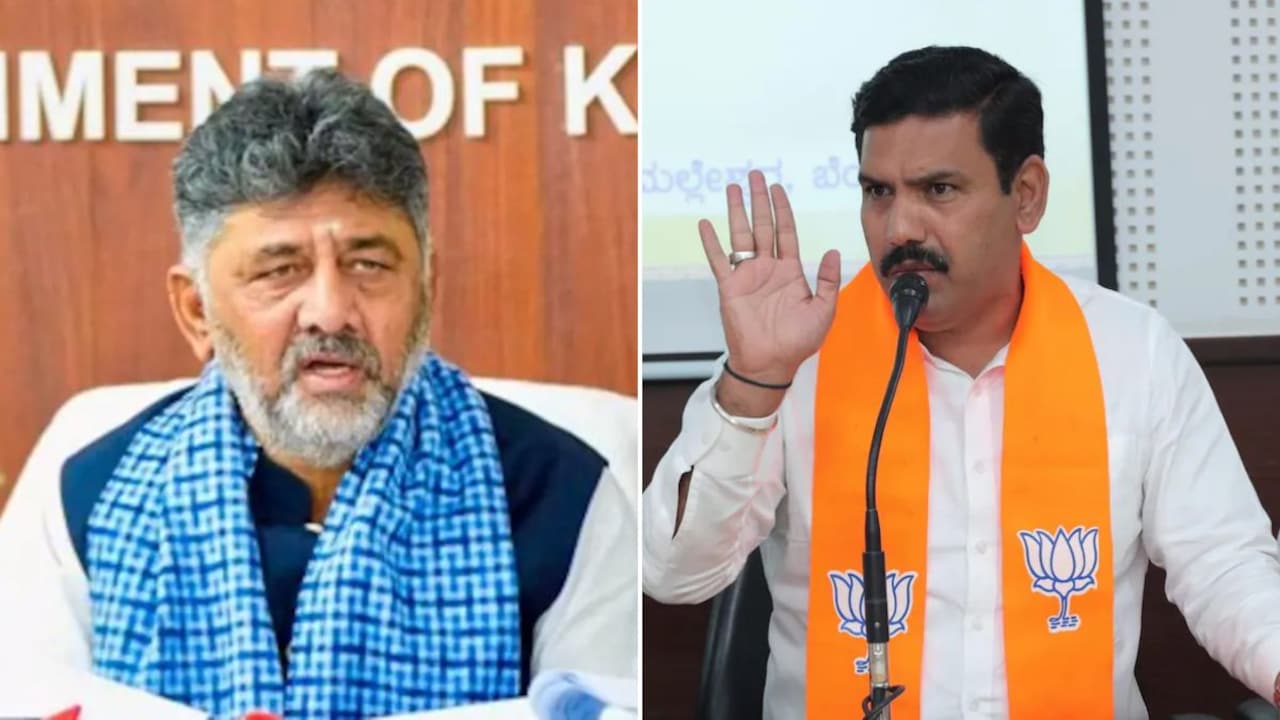
The Karnataka Legislative Assembly has passed the Appropriation Bill for supplementary estimates totalling ₹7,028.97 crore, which includes ₹2,648.38 crore from Central assistance. The Bill was passed amid protests from the Bharatiya Janata Party, with the additional spending covering a wide range of items, including the Chief Minister’s swearing-in ceremony, drought relief, and infrastructure development.
According to the supplementary estimates, ₹38.25 lakh was spent on the swearing-in ceremony of Chief Minister D.K. Shivakumar, Deputy Chief Minister G. Parameshwara, and other Cabinet Ministers. This ceremony, held earlier this year, marked the official installation of the Congress government in Karnataka. The government has also allocated ₹1.2 crore to reimburse the medical expenses of the late former Minister D. Sudhakar, who passed away recently. Sudhakar was a prominent Congress leader and had served as a minister in earlier state governments. Additionally, ₹19.50 lakh is provided for repairs to Kumarakrupa Guest House, which has been repurposed to house the Chief Minister’s office. A further ₹60 lakh is earmarked for construction, renovation, and repair works at the Kumarakrupa Annex residential quarters, which are used for official accommodation.
In terms of public outreach, the government spent ₹5 crore on an event in Tumakuru to distribute benefits to beneficiaries of its guarantee schemes. These schemes, which were key promises in the Congress election manifesto, include free bus travel for women and enhanced financial assistance to eligible households. The event was part of the government’s efforts to showcase the implementation of these welfare programmes. On the legislative side, fresh allocations have been made for the purchase of new vehicles for the Speaker and the Chief Whip of the Opposition in the Legislative Assembly, with amounts of ₹33 lakh and ₹31 lakh, respectively. These vehicles are meant to facilitate the official duties of these functionaries.
A significant portion of the supplementary estimates is dedicated to the Viksit Bharat Guarantee for Rozgar and Ajeevika Mission (Gramin), a Central government livelihood scheme that came into force on July 1, replacing the Mahatma Gandhi National Rural Employment Guarantee Act (MGNREGA). The Congress government, which had earlier opposed this mission, has apportioned about ₹2,914 crore towards its implementation. Of this, ₹1,749 crore is expected to come from the Centre, with the state and Centre sharing the cost in a 90:10 ratio. The scheme aims to provide employment opportunities in rural areas, continuing the objectives of the earlier MGNREGA programme.
Given the drought-like situation prevailing across Karnataka due to deficient rainfall, the government has sought ₹288 crore for emergency drinking water works in rural areas. This allocation is intended to address the acute water shortage in several districts and ensure availability of safe drinking water for affected communities. The government has also allocated ₹791 crore for the newly announced Bharat Jodo Yuva Sangha, an initiative proposed to be set up in every ward and gram panchayat across the state. The programme, unveiled by the Chief Minister soon after assuming office, is designed to engage youth in community development and civic activities.
For infrastructure, an additional ₹1,000 crore is being released for road development works, including ward roads under the Greater Bengaluru Authority and the Bangalore Development Authority. These funds are expected to support urban mobility and road infrastructure improvements in Bengaluru and other parts of the state. The supplementary estimates reflect the state government’s priorities in addressing immediate needs such as drinking water and welfare distribution as well as long-term development goals.
Supplementary estimates are presented when the funds allocated in the annual budget are insufficient to cover additional expenditures. The approval of this Bill allows the government to withdraw the specified amounts from the Consolidated Fund to meet these expenses. The passage of the Bill comes at a time when Karnataka is dealing with multiple challenges, including drought-like conditions, unemployment, and infrastructure gaps. While the spending choices might attract criticism from opposition parties, the government has maintained that these expenditures are necessary for governance and public welfare.