Karnataka Cabinet Expansion: Shivakumar to Meet Congress Leadership in Delhi Amid Delicate Balancing Act

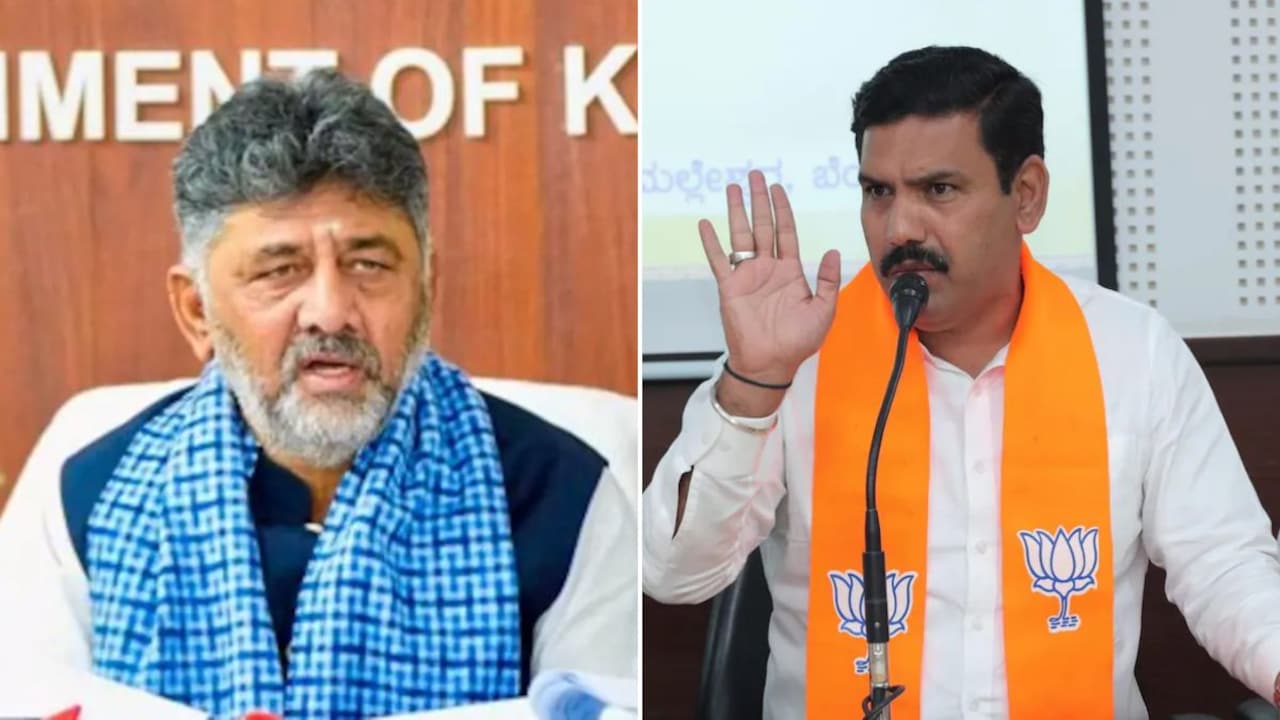
Karnataka Chief Minister D.K. Shivakumar is expected to travel to New Delhi next week for discussions with the Congress high command on expanding his cabinet, according to party sources. The visit, which will also include Karnataka Pradesh Congress Committee (KPCC) president B.K. Hariprasad and former Chief Minister Siddaramaiah, comes amid intense lobbying by several legislators for ministerial positions.
The current cabinet has 14 members, well below the constitutionally permitted strength of 34. The expansion has been delayed partly due to Congress leader Rahul Gandhi's foreign tour; he is expected to return to Delhi after July 5, sources said.
Among the frontrunners for cabinet berths are minority community representatives Saleem Ahmed (MLC) and Rizwan Arshad (MLA from Shivajinagar). Senior legislators such as Laxman Savadi, Ajay Singh, Sharat Bache Gowda, Appaji Nadagouda, A.S. Ponnanna, and K.M. Shivalinge Gowda are also under consideration. The party is also evaluating women legislators, including former Minister Laxmi Hebbalkar and Nayana Motamma.
Chief Minister Shivakumar acknowledged the competing demands, stating, "Members of the Vokkaliga, Lingayat, and Muslim communities are each suggesting one name. In such a situation, it becomes difficult to make a political decision." The leadership is also deliberating on the number of MLCs to be inducted; currently, Urban Development Minister Yathindra Siddaramaiah is the only MLC in the cabinet.
The expansion aims to address regional imbalances, as several districts lack cabinet representation. Additionally, the Congress must balance seniority with generational change, accommodating experienced legislators while making space for younger leaders and first-time ministers. A senior party functionary noted that any perceived imbalance could fuel discontent within the party.
Party leaders acknowledge the political risks involved. Excluding influential legislators could deepen factional grievances and weaken organisational cohesion, while appointments seen as favouring particular communities or power centres may trigger fresh lobbying and discontent. The choices made are expected to significantly affect the government's credibility and the Congress's political prospects in Karnataka for the remainder of its term.