Karnataka Cabinet Approves Public Property Regulation Bill Amid RSS Registration Debate
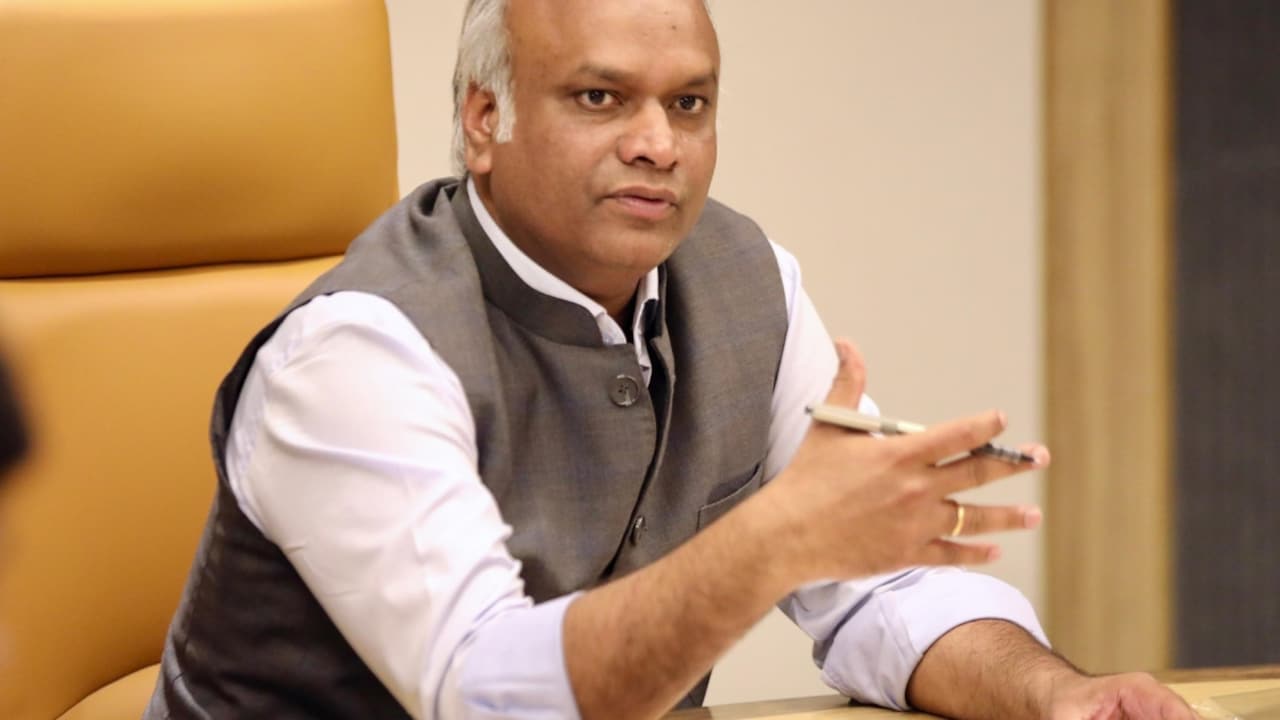
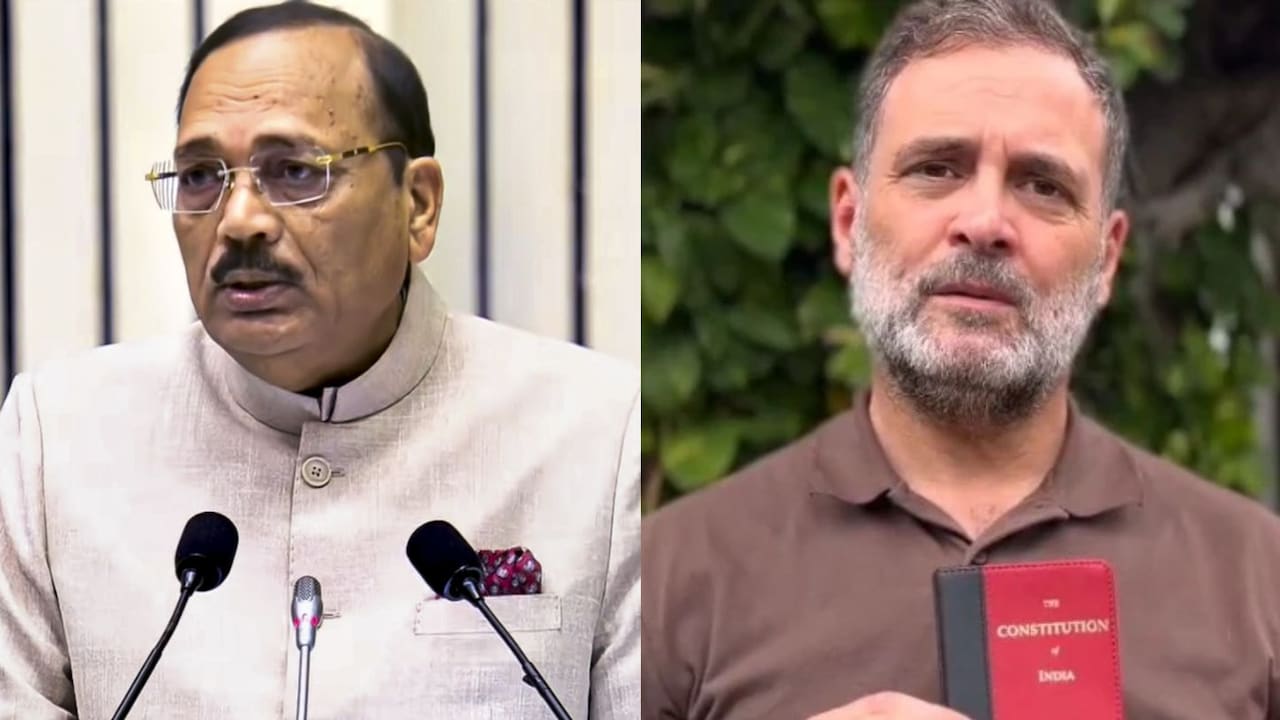
The Karnataka Cabinet has approved the Karnataka Regulation of Use of Government Premises and Public Property Bill, 2026, Home Minister Priyank Kharge announced on Wednesday. The proposed legislation aims to create a legal framework for the use of government premises and public property by private individuals, organisations, associations and societies.
Speaking after the Cabinet meeting, Kharge said the Bill seeks to safeguard, preserve and ensure responsible utilisation of government lands, buildings, playgrounds, parks, roads and other public assets. "The Bill provides a legal framework to prevent misuse while protecting these assets for public benefit and good," he stated. He added that the legislation is intended to ensure accountability and prevent unauthorised use of public property.
The Bill has drawn attention due to the ongoing debate over the Rashtriya Swayamsevak Sangh (RSS), which has been at the centre of a registration controversy. However, Kharge dismissed speculation that the legislation targets any specific institution. "Why is everyone thinking this is to curtail or curb any particular institution, association, organisation, society, club, union, syndicate or NGO? Beats me," he said.
According to officials, the Bill proposes clear guidelines and procedures for granting permission to use government properties for events, meetings or other activities. It also lays down provisions for penalties in case of misuse or damage to public property.
The government will table the Bill in the next session of the Karnataka Legislature for discussion and passage. The move comes amid a broader political debate about the role and legal status of organisations using public spaces.
Since 2025, Kharge has opposed the use of public property and government premises by the RSS and has demanded that the organisation register formally. In June 2026, he wrote an open letter to the RSS, seeking clarity on its legal status, financial transparency and constitutional accountability as the organisation marked 100 years of its existence.
Kharge said an organisation that claims to have over 60,000 shakhas and crores of swayamsevaks in India and abroad has a significant presence in public life. Therefore, it must be held to the "highest standards of transparency, accountability and constitutional compliance," he argued.
The Bill is expected to be debated in the legislature, where opposition parties may raise concerns about its scope and potential impact on civil liberties. The government maintains that the legislation is a general measure to protect public assets and does not single out any group.