Karnataka bars sale of high-fat, sugary foods within 50m of schools and colleges

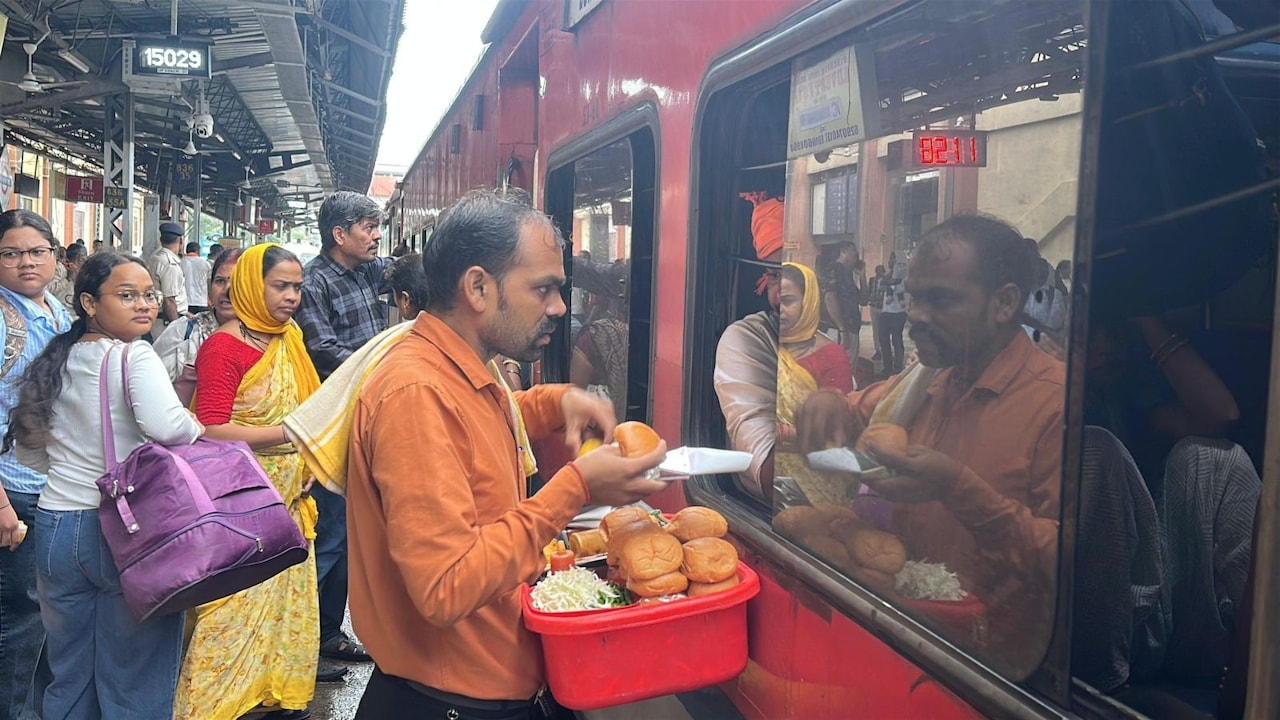
In a move aimed at promoting healthy eating habits among students, the Karnataka Food Safety and Drug Administration (FDA) has issued an advisory prohibiting the sale, free distribution, advertisement and promotion of food products high in fat, sugar and salt (HFSS) within school and college campuses, as well as in a 50-metre radius around them.
The advisory, issued on July 24 under the Food Safety and Standards Act, 2006, and the Food Safety and Standards (Safe Food and Balanced Diets for Children in School) Regulations, 2020, is binding on school managements, food business operators (FBOs) and Food Safety Officers. It directs educational institutions to ensure that HFSS foods are not sold on their premises and to display warning signboards at prominent locations.
Addressing reporters, Health Minister U.T. Khader said inspections had revealed that some schools relied heavily on refined carbohydrates such as white bread, pasta and processed snack foods, which could cause rapid spikes in blood sugar levels. He said schools had been advised to provide balanced meals containing lean proteins and healthy fats to ensure sustained energy and improve students' concentration.
The advisory also instructs authorities to prevent the sale of HFSS products within a 50-metre radius of educational institutions. Food establishments near schools, including hotels, bakeries, canteens and food stalls, have been directed to obtain the mandatory licence or registration under the Food Safety and Standards Act and comply with hygiene and food safety standards. Food Safety Officers have been asked to conduct regular inspections, and violations will attract action under the Act and its related rules and regulations, the Minister said.
School managements have been instructed to promote healthy eating habits, create awareness about nutritious food, and organise programmes discouraging the consumption of junk food. "Schools have been advised to serve balanced meals comprising cereals, millets, pulses, milk and milk products, eggs, fruits, vegetables and freshly prepared foods made from locally available seasonal produce," Mr. Khader said. "The guidelines also recommend moderation in the use of cooking oil and ghee, avoidance of reheated oils, and the use of fortified staples in accordance with the Food Safety and Standards (Fortification of Foods) Regulations, 2018."
The advisory follows a State-wide inspection drive conducted in July, during which 134 schools, colleges and food establishments in and around educational institutions were inspected. As many as 53 food samples were collected and sent to the State Food Laboratory in Bengaluru for analysis. The Minister said legal action would be initiated against food business operators based on the laboratory findings.
In a separate directive, Mr. Khader said instructions would be issued shortly making it mandatory for all hotels, including darshinis, to provide hot drinking water during the monsoon. "The risk of viral infections increases during the rainy season, and contaminated drinking water can lead to illnesses," he said. "Therefore, all hotels, including darshinis, will be required to serve hot drinking water during the monsoon."