Karnataka activists urge passage of Rohith Vemula Bill in Monsoon Session

Activists from the Campaign for Rohith Act and various Dalit organisations have appealed to the Karnataka government to ensure the passage of the Karnataka Rohith Vemula (Prevention of Discrimination, Exclusion or Injustice) (Right to Education and Dignity) Bill, 2026, during the ongoing Monsoon Session of the State legislature. The Bill, which seeks to protect the right to education and dignity of Scheduled Caste and Scheduled Tribe students in universities and higher educational institutions, has been pending for two years.
Although the State Cabinet approved the Bill on April 16, 2026, it remains with the Social Welfare Department, which had initially mooted it. According to activists, no further progress has been made since the Cabinet approval, and the draft has not been made public.
The Campaign for Rohith Act said in a statement that the prolonged delay has deepened uncertainty and distress among SC/ST students and their organisations, who continue to face everyday discrimination and harassment in educational institutions. The statement warned that this distress could lead to frustration and prompt students to take to the streets in protest.
The proposed law is named after Rohith Vemula, a Dalit PhD scholar at the Hyderabad Central University, whose death by suicide in January 2016 was attributed to alleged institutional caste discrimination. His death sparked nationwide protests and was described as an “institutional murder”, leading to demands for a special law to protect SC/ST students in higher education institutions. The SC/ST cell of the Telangana Congress and the National Campaign for Dalit Human Rights (NCDHR) had prepared separate drafts of the proposed Rohith Act.
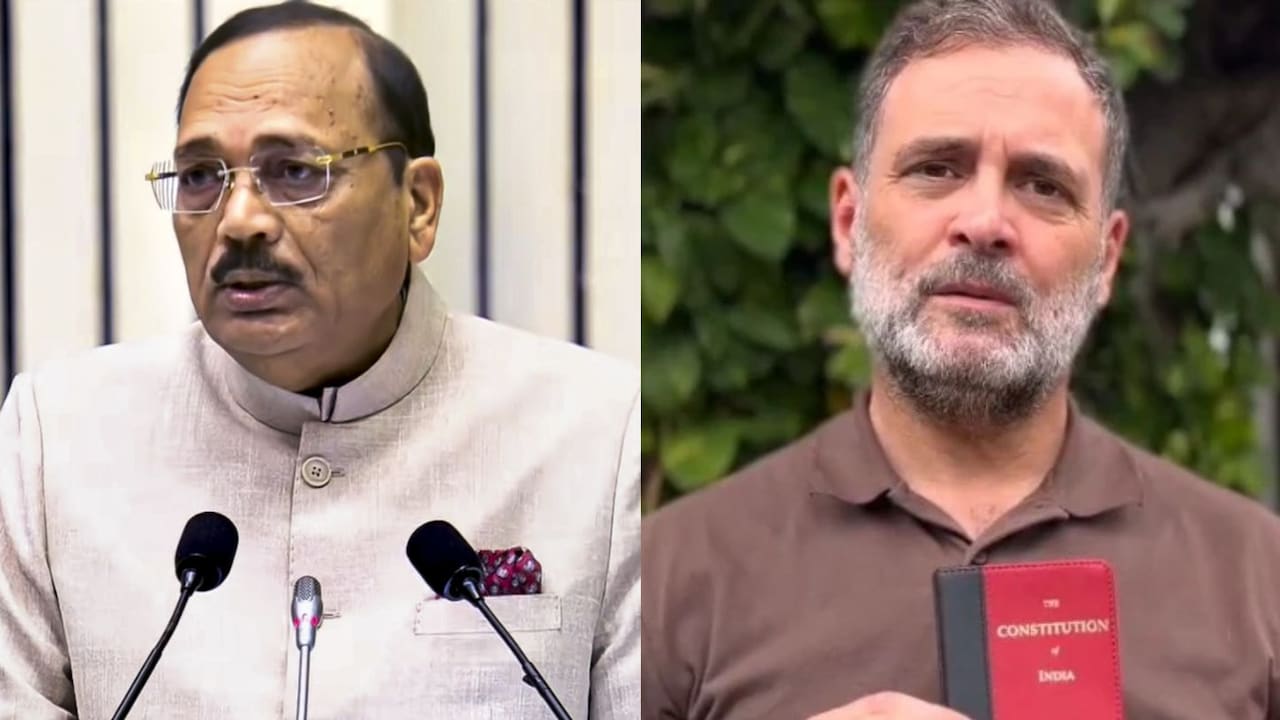
For nearly a decade, the demand remained unresolved. It gained renewed attention when Leader of the Opposition in the Lok Sabha Rahul Gandhi and Karnataka Minister Priyank Kharge publicly supported the need for such a law. In April 2024, Mr. Gandhi wrote to the governments of Karnataka and Telangana, urging them to draft the legislation.
In Karnataka, the Campaign for Rohith Act formed a state chapter in July 2024. After extensive consultations with SC/ST student groups, legal experts and anti-caste activists, a preliminary draft was prepared in December 2025. The team later held several rounds of discussions with ministers and officials to refine the draft.
The Bill, however, was not tabled during the Winter Session in December 2025 or the Budget Session in March 2026. The State Cabinet finally approved it on April 16, 2026, but it has not yet been introduced in the legislature.
Hulikunte Murthy, a member of the Campaign for Rohith Act, said the proposed law is intended as a civil interpretation of the SC/ST (Prevention of Atrocities) Act, 1989, focusing specifically on discrimination and harassment faced by Dalit and Adivasi students, faculty and non-teaching staff in higher educational institutions. He noted that unlike the University Grants Commission (UGC) Equity Regulations, which extend protection to multiple categories without explicit legislative grounding, the Rohith Act is based on existing law and judicial precedent specific to SC/ST communities.
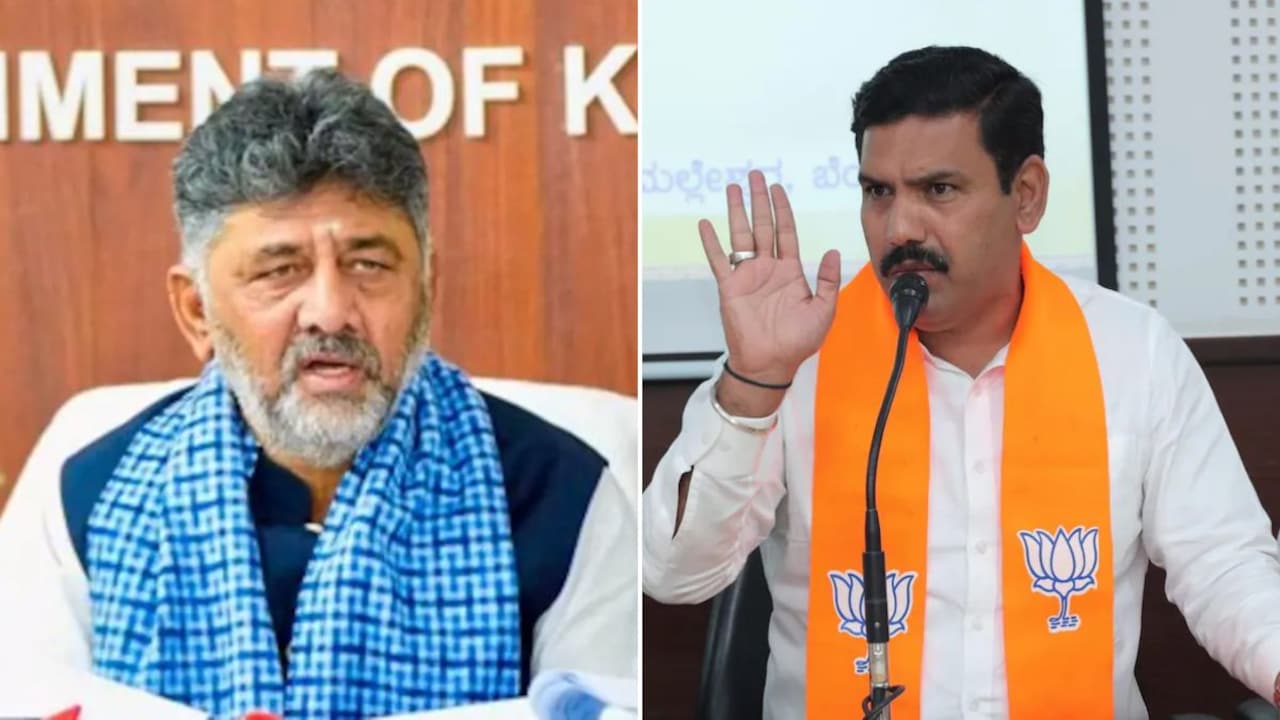
Mavalli Shankar, convener of the Dalit Sangharsha Samiti, while appreciating the leadership of senior Congress leaders such as Rahul Gandhi, Priyank Kharge and Siddaramaiah, expressed disappointment over the lack of movement on the draft Bill. He urged Chief Minister D.K. Shivakumar to ensure its passage during the ongoing Monsoon Session, saying the public release of the draft and a clear assurance of enactment are essential.
As of now, the government has not officially disclosed the contents of the draft Bill or its legislative schedule. Activists say further delay would be a disservice to the memory of Rohith Vemula and to the thousands of students who continue to face caste-based discrimination in educational institutions across the State.