Karnataka: 16.38 lakh dead voters on rolls, four times annual deaths

Karnataka’s electoral rolls contain over 16.38 lakh names marked as “dead”, a figure nearly four times the state’s average annual number of deaths, according to an analysis of demographic estimates for 2002–2024. The data emerged from the Absent, Shifted, Duplicate, Dead, and Other (ASDDO) category, which covers over 1.08 crore voters identified during the recent enumeration that ended on August 17.
The comparison does not mean that all 16.38 lakh people died in a single year. Rather, it highlights the scale of the issue. Between 2002 and 2024, Karnataka’s estimated total population deaths were around 98 lakh, working out to an average of about 4.26 lakh deaths per year, based on population estimates and the state’s annual crude death rates recorded through the Sample Registration System (SRS). The highest annual estimate during this period was around 5.2 lakh in 2021, the peak year of the COVID-19 pandemic.
The scale of the electoral-roll figure raises a broader question: how long had these names remained on the rolls, and how many elections were conducted with deceased voters still listed? The number has also continued to change even after the Karnataka Chief Electoral Officer (CEO) declared 100% digitisation of the enumeration forms. The ‘Dead’ category stood at 16.3 lakh on August 5, a day after the ASDDO list was made public, but rose to 16.38 lakh by August 17, when the enumeration phase ended.
This increase is notable because the CEO has repeatedly maintained that deceased voters are being verified through death certificates, or, in cases where such documents are unavailable, through a spot mahazar (an on-site inquiry). If the enumeration data had been fully digitised, the rise in the number of voters classified as deceased raises questions about when these cases were identified and how they were added to the category.
Asked about the overall number and its increase, the CEO said: “What we realised is that a large number of dead voters were on the rolls. But I cannot comment or have an opinion on the figures, as each case is accounted for with a death certificate or a spot mahazar.”
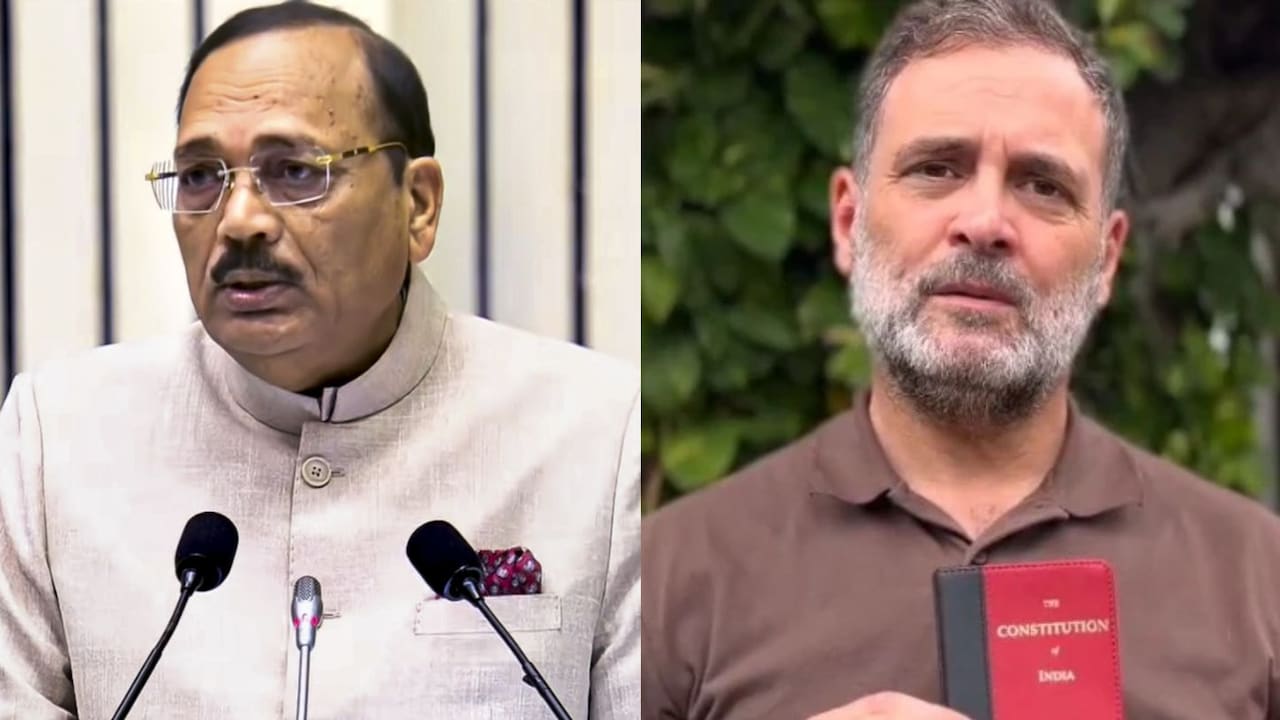
Similar concerns have emerged elsewhere. During the Special Intensive Revision (SIR) in Bihar, several cases were reported in which living voters were wrongly marked as “dead”. Activist Yogendra Yadav brought two such cases before the Supreme Court, highlighting how voters who were alive had been declared deceased. Congress leader Rahul Gandhi later met some voters who had been declared dead, remarking that he had a unique experience of having tea with some of Bihar’s “dead” voters.
The Karnataka data underscores the need for a transparent and accurate electoral roll cleansing process. While the authorities have cited verification procedures, the growing number of deceased entries — even after digitisation — warrants closer scrutiny to ensure the electoral rolls reflect the true electorate. The issue also places a responsibility on political parties and civil society to monitor the process and ensure that no living voter is wrongly removed or listed.