July 1, 1986: Mizoram Accord Signed, Ending Two Decades of Conflict
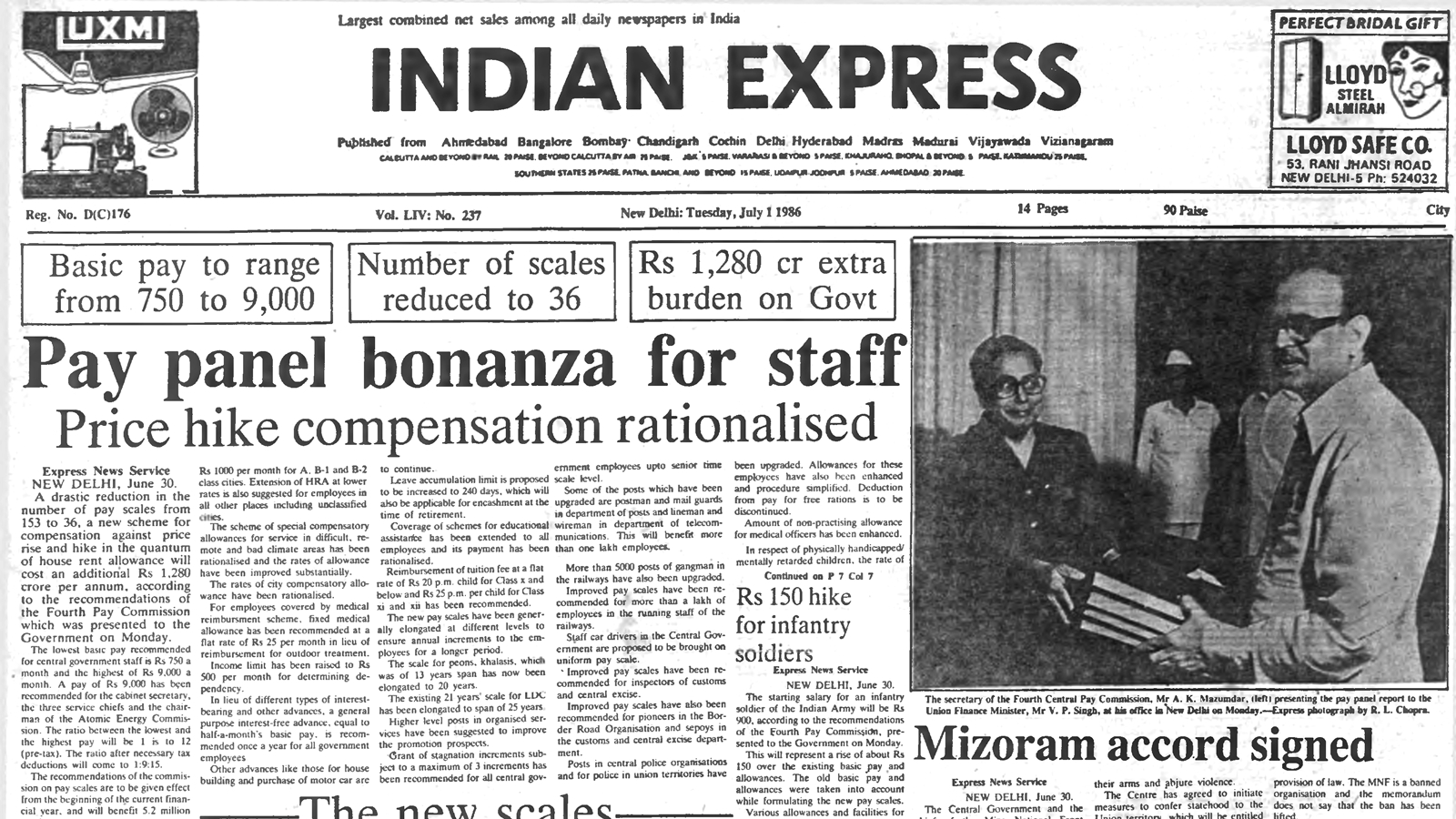
On July 1, 1986, the Government of India and the Mizo National Front (MNF), led by Laldenga, signed a historic memorandum of settlement, bringing an end to 20 years of insurgency in the strategic border territory of Mizoram. The accord was signed by Laldenga on behalf of the MNF, and by Union Home Secretary R. D. Pradhan and Mizoram Chief Secretary Lalkhama on behalf of the government. The agreement paved the way for peace and integration of Mizo rebels into mainstream society.
The same day, a major crisis in Punjab's ruling Akali Dal (L) was averted after four ministers withdrew their resignations following a ministry expansion. In a joint statement, the ministers said, 'We are ready for any sacrifice to keep the party united.' The late-night resolution prevented a collapse of the Barnala ministry.
In Sri Lanka, violence claimed 38 lives, including 20 security personnel, amid clashes between two Tamil militant groups—the People's Liberation Organisation of Tamil Eelam (PLOTE) and the Tamil Eelam Liberation Organisation (TELO). Reports from Jaffna indicated intermittent fighting.
Also on this day, the Fourth Pay Commission presented its recommendations to the government, proposing a drastic reduction in pay scales from 153 to 36. The commission suggested a new compensation scheme for price rises, an increase in house rent allowance, and an additional annual cost of Rs 1,280 crore. The recommended lowest basic pay was Rs 750 per month for unskilled workers and the highest at Rs 9,000 per month, with specific ranges for service chiefs and the Atomic Energy Commission chairman.







