J&J Talc Settlement: Decoding the Real Ovarian Cancer Risk
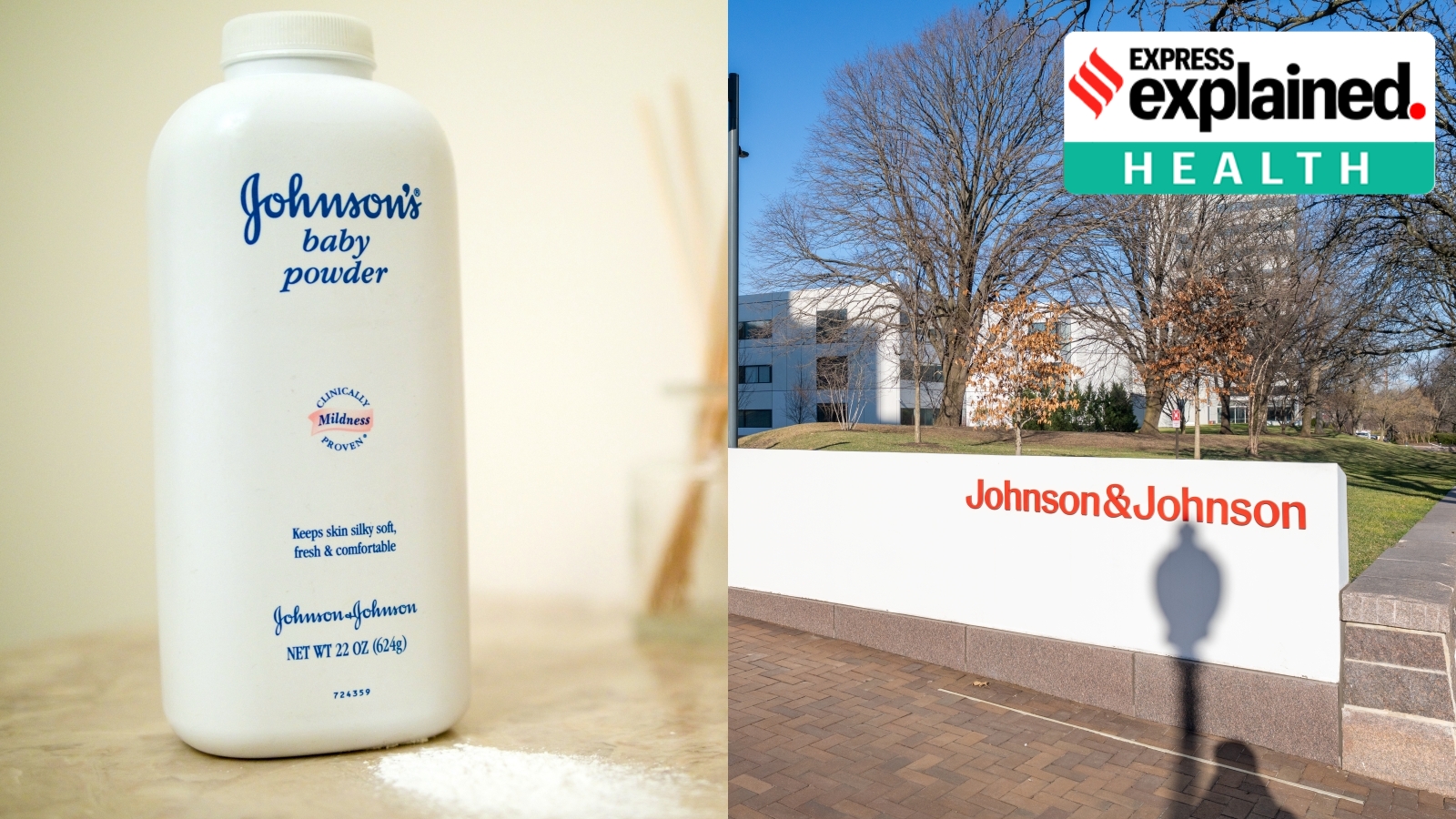
Johnson & Johnson (J&J) has agreed to pay billions of dollars to settle thousands of lawsuits claiming its talcum powder products caused ovarian cancer and other illnesses due to asbestos contamination. The proposed settlement, one of the largest in U.S. history, follows years of litigation and conflicting scientific evidence. The company continues to deny any safety issues, stating the settlement is meant to resolve costly legal battles and provide certainty for all parties.
The central question remains: does talcum powder increase the risk of ovarian cancer? Medical experts point to the classification by the International Agency for Research on Cancer (IARC), which labels talc not containing asbestos as “probably carcinogenic to humans” (Group 2A) for ovarian cancer. This classification is based on limited evidence in humans and sufficient evidence from animal studies.
Dr Gauravi Mishra, Deputy Director at the Centre for Cancer Epidemiology, Tata Memorial Centre, Mumbai, clarifies: “There is not sufficient evidence to support that talc is a definite (or Group 1) carcinogen for ovarian cancer. Prospective cohort studies, which are less prone to recall bias than case-control studies, have generally not shown a statistically significant increase in risk.”
Talc and asbestos are naturally occurring silicate minerals that can form together in the same geological deposits. This means contamination depends on the mine of origin and the thoroughness of ore screening, not the final consumer product itself. Dr Ashwin Sathyan, senior resident at the same centre, notes that mining of asbestos is banned in India, and current testing methods are not sensitive enough to reliably rule out trace asbestos contamination. No standardised testing protocol is recommended by any regulatory body.
For people who have used talcum powder regularly for years, experts advise there is no cause for alarm. This position is consistent across independent reviews. “Prior use should not be attributed as the cause of any current symptoms without appropriate clinical evaluation,” says Dr Mishra. She adds that women with a family history of ovarian or breast cancer should discuss concerns with their physician.
Currently, no major regulatory or scientific body has prohibited talcum powder use on any part of the body, including the genital area. However, using talc on open wounds or sensitive skin is not recommended, as it may cause irritation or mineral toxicity. In India, regulatory policy is still under development. The Central Drugs Standard Control Organisation (CDSCO) ordered a manufacturing halt for one major brand in 2018 pending asbestos-free certification, and the Maharashtra Food and Drug Administration cancelled a manufacturing licence in 2022.
The J&J settlement does not change the scientific reality: the evidence remains inconclusive. While trace asbestos is a known carcinogen, the link between cosmetic talc and ovarian cancer is still classified as probable, not definite. Consumers should make informed choices, and regulators should continue to ensure stringent safety standards.