Jammu & Kashmir Orders Sweeping Audit of Academic Materials After Row Over Separatist Books
The Jammu and Kashmir government has directed a comprehensive audit of all academic materials in educational institutions and public libraries across the Union Territory, following a controversy over two books that allegedly glorified separatist leaders.
The controversy erupted after it emerged that two books—'Personalities and Legends of Jammu and Kashmir' and 'Great Personalities of Jammu and Kashmir'—were procured for government school libraries under the central government's Samagra Shiksha scheme. The books included profiles of senior separatist leaders such as Syed Ali Shah Geelani, Masrat Alam, and Maqbool Bhat, the founder of the Jammu and Kashmir Liberation Front who was executed in 1984.
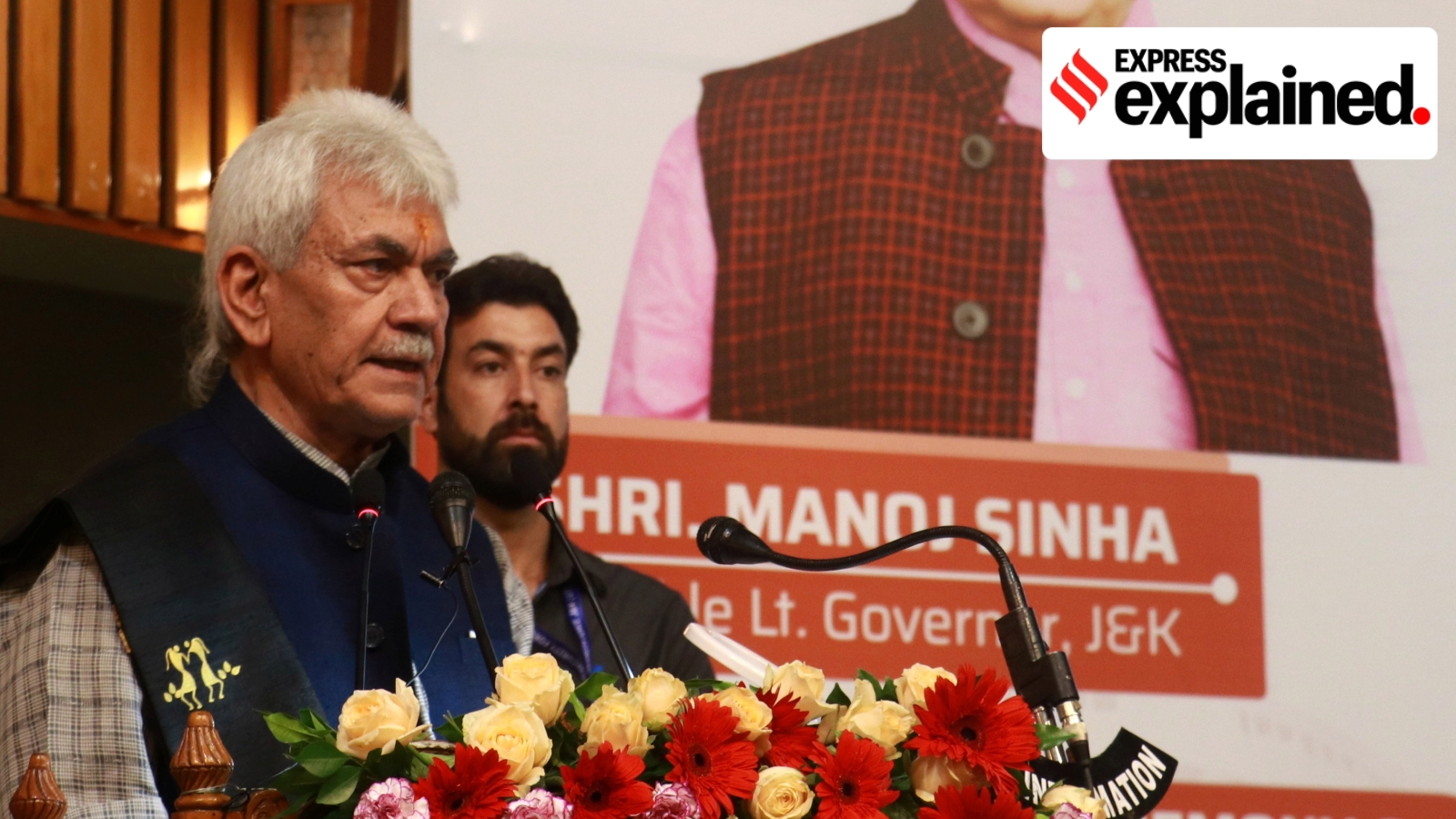
Following protests by the Bharatiya Janata Party in Jammu, Lieutenant Governor Manoj Sinha ordered the immediate suspension of eight employees of the school education department and launched a probe by a senior IAS officer. The two books were withdrawn from school libraries, and their authors and publishing houses were blacklisted.
The process of book procurement typically involves subject teachers recommending books, which are then vetted by a school-level procurement committee. Some books are procured at higher administrative levels and distributed under the Samagra Shiksha scheme, a government official explained on condition of anonymity.
Two days after the suspensions, the Director of School Education issued a circular directing heads of all government and private schools, as well as coaching centres, to screen all books in their libraries, offices, classrooms, and staff rooms for 'inappropriate or objectionable content'. The order required them to certify that no book on their premises contained such material.
The order, issued by Kashmir School Education Director Naseer Ahmad Mir, stated that the screening aimed to ensure no book contained content that 'may violate religious sentiments of any section, be it inappropriate content for students, contents against prevailing laws with the potential to harm national interest, affect educational values, and established norms.'
Within a day, the government extended the order to colleges, universities, and public libraries across the Union Territory. The scope of the audit was broadened to include not only books but also journals, research publications, academic theses, dissertations, and digital repositories of academic institutions.
This development comes a year after the Lieutenant Governor banned several books, including those by author Arundhati Roy and historian A.G. Noorani, for allegedly 'propagating secessionism'. The current audit has raised concerns among academics and civil liberties groups about potential censorship and the chilling effect on academic freedom.







