IVF Realities: Five Cycles, 1,000 Injections, Two Miscarriages – Tejaswini Kolhapure's Story
Actress Tejaswini Kolhapure recently shared her personal experience with in-vitro fertilisation (IVF), detailing a journey that involved five treatment cycles, more than 1,000 hormone injections, and two miscarriages before the birth of her daughter in 2015. Her account highlights the physical and emotional toll that repeated IVF attempts can take on individuals and couples.
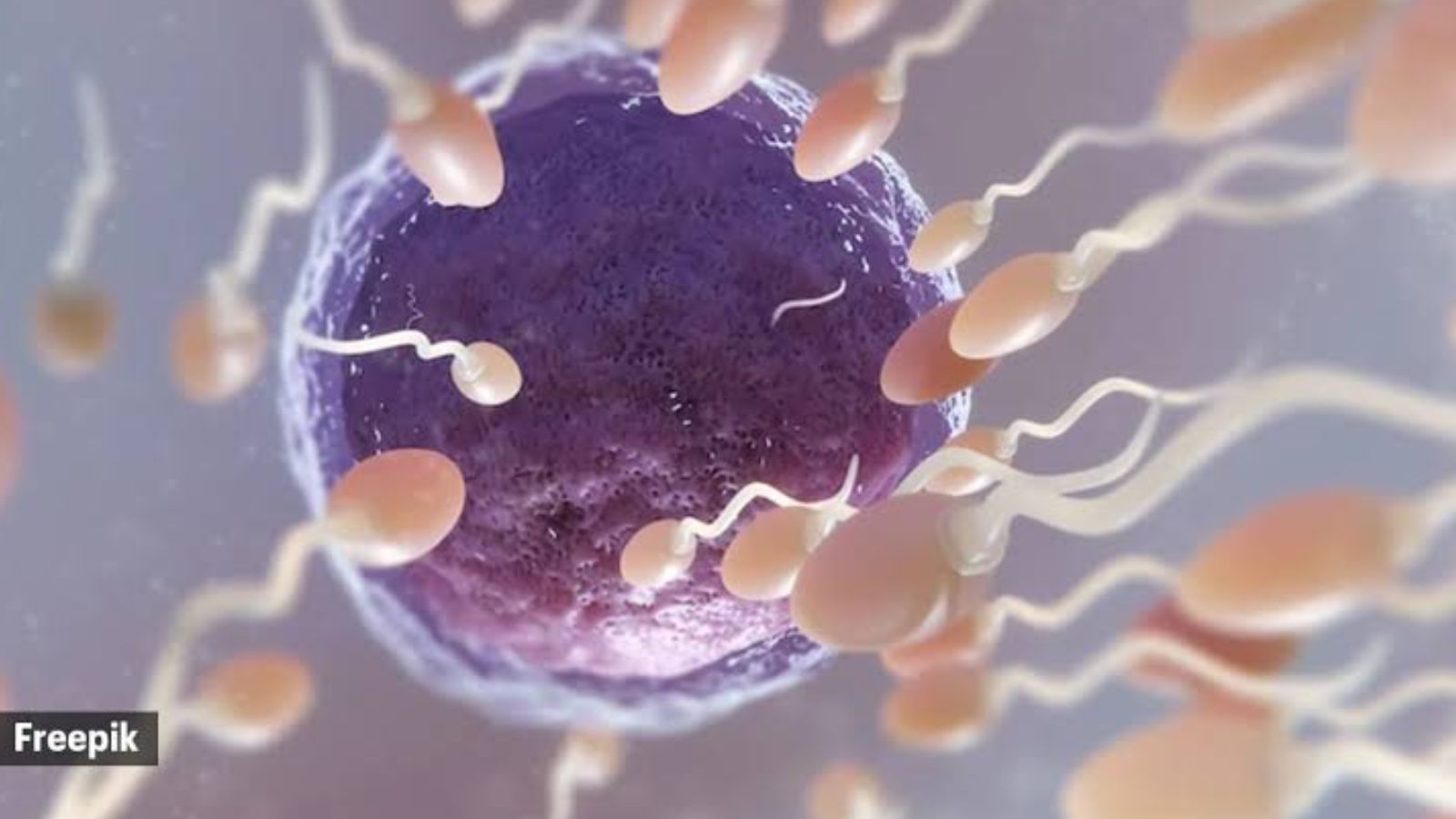
IVF, or in-vitro fertilisation, is a medical procedure where an egg and sperm are fertilised outside the body, and the resulting embryo is transferred into the womb. While often perceived as a one-time procedure, many patients undergo multiple cycles over months or years. According to Dr Neelam Suri, senior gynaecologist at Apollo Hospitals in Delhi, 'IVF is best understood as an evolving treatment process rather than a one-time intervention.'
Repeat cycles may be necessary for various reasons: ovaries may produce fewer mature eggs than expected, fertilisation rates may be lower, embryos may not develop optimally, or implantation may fail. In some cases, early pregnancy ends in miscarriage. Each outcome provides valuable information that helps specialists adjust medication protocols, hormone doses, or timing for future attempts.
The large number of injections in Kolhapure's case is typical for multiple cycles. Every IVF cycle involves hormone injections to stimulate the ovaries to produce multiple eggs. These injections are given over days or weeks, accompanied by blood tests and ultrasound monitoring. Side effects can include bruising, bloating, fatigue, and mood changes; in rare cases, ovarian hyperstimulation syndrome (OHSS) may occur.
Kolhapure's story sheds light on the realities of fertility treatment, where persistence and medical adjustments are often required. Experts emphasise that each cycle is tailored based on previous outcomes, and success is not guaranteed in the first attempt.