Israel Vows to Stay in Southern Lebanon, Complicating US-Iran Deal
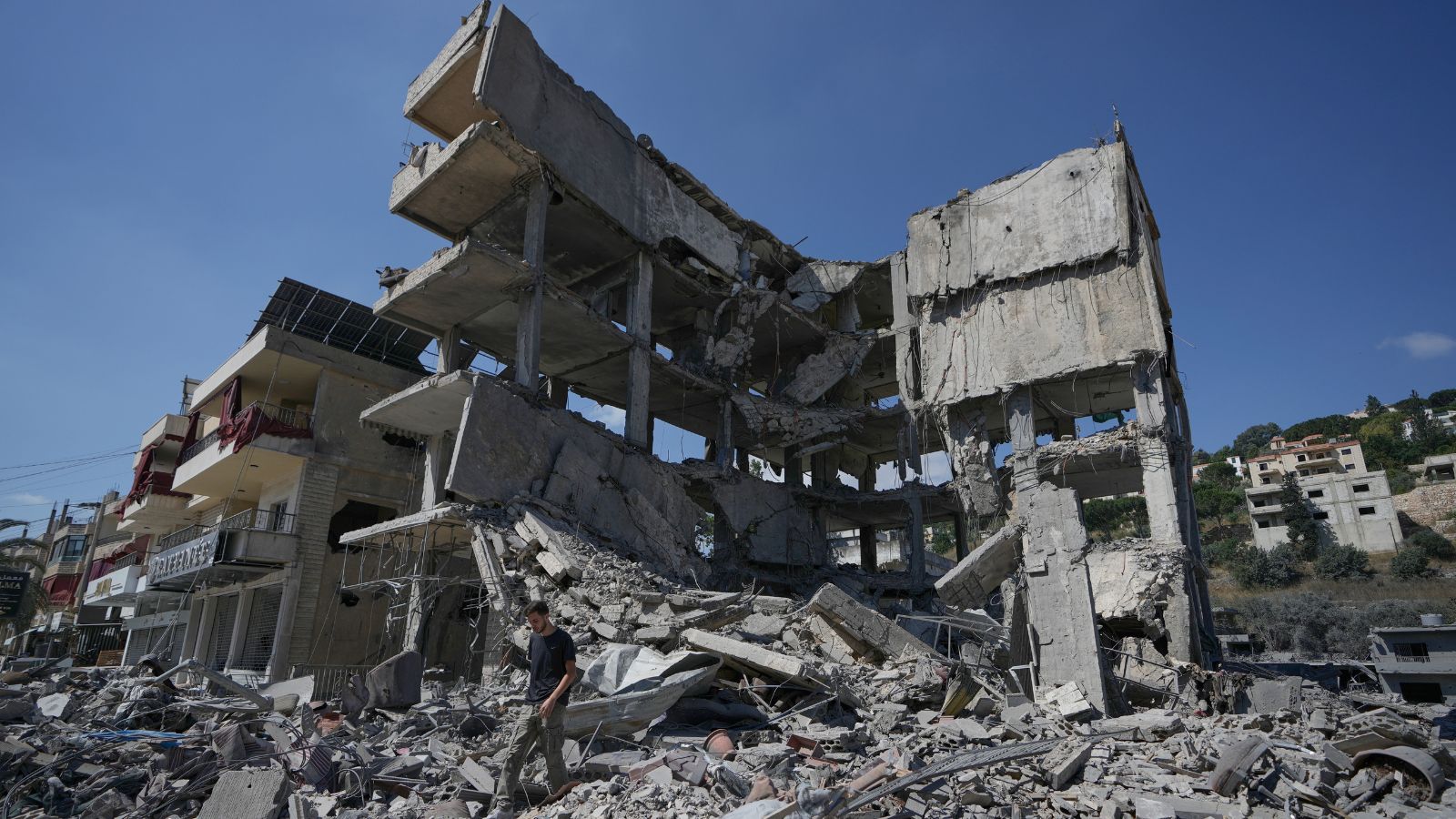
Israel will not withdraw its troops from southern Lebanon even if the United States demands it, Defence Minister Israel Katz said in an interview in Tel Aviv. The statement comes as a newly signed Memorandum of Understanding (MoU) between the United States and Iran aims to halt hostilities in the region, including the Israel-Hezbollah conflict.
“The IDF is prepared … and we are not retreating. We announced that in any case we are not withdrawing, and as of this moment – and this is a political achievement – there is no American demand for Israel to withdraw from Lebanon,” Katz said, according to reports.
The MoU, signed last week, imposed a ceasefire between Israel and Hezbollah in Lebanon. However, Israel has continued its military operations in southern Lebanon, where it controls a ‘security zone’ stretching across the shared border. Iran had insisted on a full Israeli withdrawal as part of the agreement, but US President Donald Trump said on Wednesday that Iran was “agreeing to everything I want”.
Israel has said it wants to hand over the territory to the Lebanese army, which would ensure the area remains free of Hezbollah fighters. However, the US-mediated talks on Israeli withdrawal do not involve Hezbollah, raising questions about their effectiveness.
Violence in Lebanon continues. On Wednesday, an Israeli drone strike targeted a vehicle near the town of Kfar Rumman, killing two people, according to Lebanese state media. The Israeli military confirmed the strike, saying it targeted Hezbollah operatives. Separately, the army said its troops shot two Hezbollah fighters near Nabatieh who posed a threat to forces operating in the security zone.
The conflict began on 2 March, when Hezbollah launched rockets at Israel in retaliation for the killing of then-Supreme Leader Ayatollah Ali Khamenei. Israel launched an invasion in response. Since then, more than 4,200 people have been killed in Lebanon, while Hezbollah attacks have killed at least 36 Israeli soldiers and three Israeli civilians.
Iran’s Parliament Speaker Mohammad Bagher Ghalibaf stressed the importance of a ceasefire, saying, “For us, a ceasefire in Lebanon is as important as a ceasefire in Iran, and further, an end to the war in Lebanon is as important as an end to the war in Iran.”
US Secretary of State Marco Rubio is on a three-day tour of the Arab Gulf to reassure allies that the MoU is not too conciliatory. He is visiting the United Arab Emirates, Kuwait, and Bahrain, all of which were struck by Iranian strikes during the four-month war.