Israel Sets October 27 Election: Netanyahu's Political Future Hangs in Balance
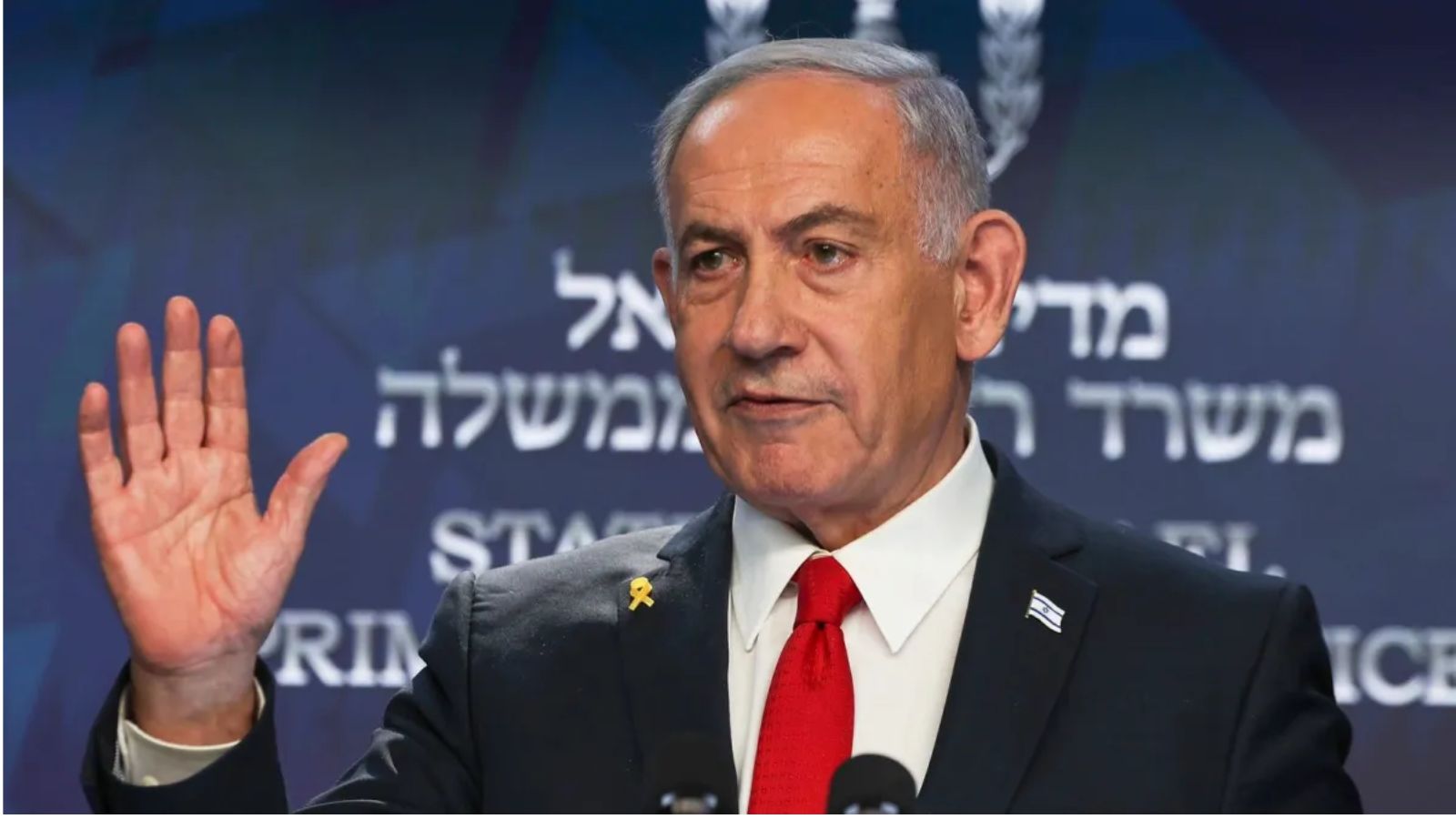
Israel will hold its next general election on October 27, 2025, as announced by Prime Minister Benjamin Netanyahu's office on Thursday. The snap election comes amid ongoing political turmoil and legal challenges facing the long-serving leader.
The election was called after coalition partners failed to agree on a budget and key legislative items, leading to the dissolution of the Knesset. This will be the fifth national election in less than four years, reflecting the deep political divisions within Israeli society.
For Prime Minister Netanyahu, the stakes could not be higher. Currently facing corruption charges in three separate cases, he is seeking a return to power after a brief stint in opposition. Polls suggest a tight race between his Likud party and the centrist Yesh Atid led by Yair Lapid.
Netanyahu's strategy has focused on security issues and his role in brokering the Abraham Accords, which normalised relations with several Arab states. However, critics point to rising costs of living and political instability as reasons for change.
The election will also test the strength of the new Arab coalition, the Joint List, and far-right parties like Religious Zionism. A clear majority remains elusive, raising the prospect of another hung parliament and prolonged coalition negotiations.
Observers note that Netanyahu's legal troubles may sway undecided voters. While his base remains loyal, centrists and left-leaning voters are wary of a leader under indictment. The judiciary's role in disqualifying candidates could also come into play.
International reactions have been muted, with the United States reiterating support for Israel's democratic process. The European Union called for calm and a focus on resolving the Israeli-Palestinian conflict.
As October 27 approaches, Israeli citizens face a choice between continuity with Netanyahu's hardline policies or a shift towards a more moderate government. The outcome will shape not only domestic affairs but also regional dynamics in the Middle East.