Iranian Guards Accused of Drone Attack on Singapore-Flagged Ship in Strait of Hormuz
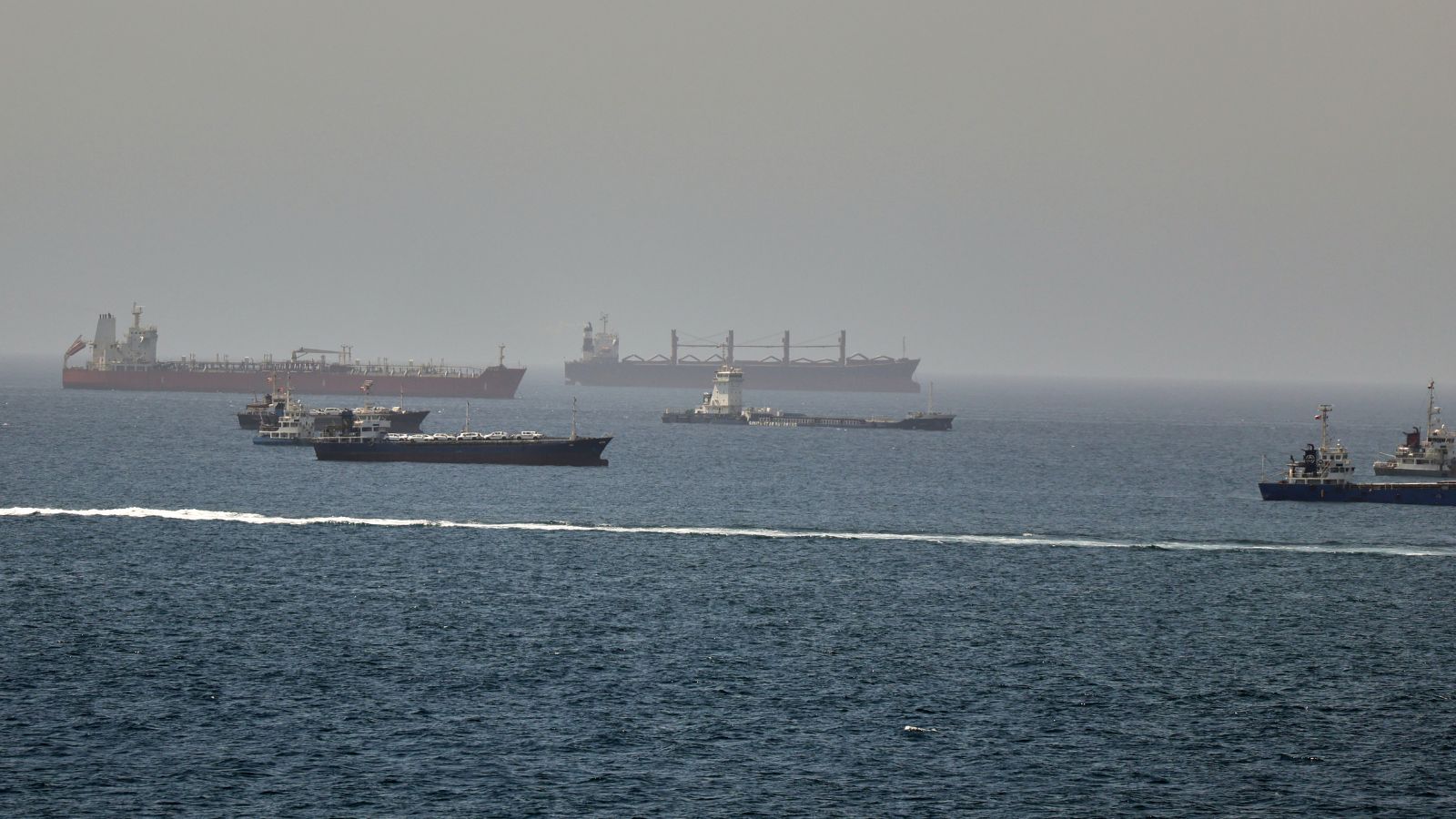
A Singapore-flagged cargo vessel was struck by a drone in the Strait of Hormuz on Thursday, US officials alleged, attributing the attack to Iran's Islamic Revolutionary Guard Corps (IRGC). The incident comes days after the signing of a Memorandum of Understanding between Washington and Tehran, raising concerns about the stability of the fledgling ceasefire in West Asia.
The targeted ship, identified as the Ever Lovely by Reuters through four sources, reported being hit by a projectile near Oman, according to the British naval agency UKMTO. US officials confirmed the IRGC struck the vessel with a drone as it was exiting the strait.
In response, Iran's Persian Gulf Strait Authority—a body set up by Tehran to manage shipping requests through the waterway—stated that vessels travelling outside designated routes would not be guaranteed safe passage, adding that any consequences would be "the responsibility of the owner, operator, and vessel commander."
The United Nations' International Maritime Organization (IMO), which had launched a voluntary escort operation for stranded vessels two days earlier, paused the programme following the attack. IMO Secretary General Arsenio Dominguez said the pause was to confirm that safety guarantees remained in place for ships on its evacuation list. The IMO noted that the Ever Lovely was not part of its evacuation programme.
Separately, British maritime security firm Ambrey reported that Iran's Revolutionary Guards ordered two Panama-flagged ships to change course on Thursday.
Meanwhile, US President Donald Trump, speaking at a White House dinner with American farmers, asserted that the United States was negotiating with Iran from a position of strength following months of military strikes. "We knocked the hell out of them, and now we're negotiating from a position of pure strength," Trump said. "Pure strength. They know that."
Trump added that Iran wanted a deal "very badly" and insisted Tehran would not be permitted to develop a nuclear weapon. "They will not have a nuclear weapon. And they've agreed to that," he said. He also claimed the Strait of Hormuz remained open and suggested that unfrozen Iranian funds could be used to purchase American agricultural products for a country he said was facing food shortages.
Despite the attack, shipping traffic through the strait has not halted. Intelligence firm Kpler reported that 70 vessels crossed the waterway on Wednesday and eight more by Thursday, compared to 109 transits between Saturday and Monday—the highest level since the war began in late February.
US Secretary of State Marco Rubio, concluding a tour of Gulf states, said Washington was monitoring "whether or not ships are moving" through the waterway, warning that if Iran threatened or blocked vessels, "then we're going to have a problem."
US Central Command posted photographs on Thursday of American F-16 fighter jets on patrol over the Middle East, stating, "US forces remain present and vigilant throughout the region."