Iran Threatens to Close Strait of Hormuz Over Israeli Strikes on Lebanon
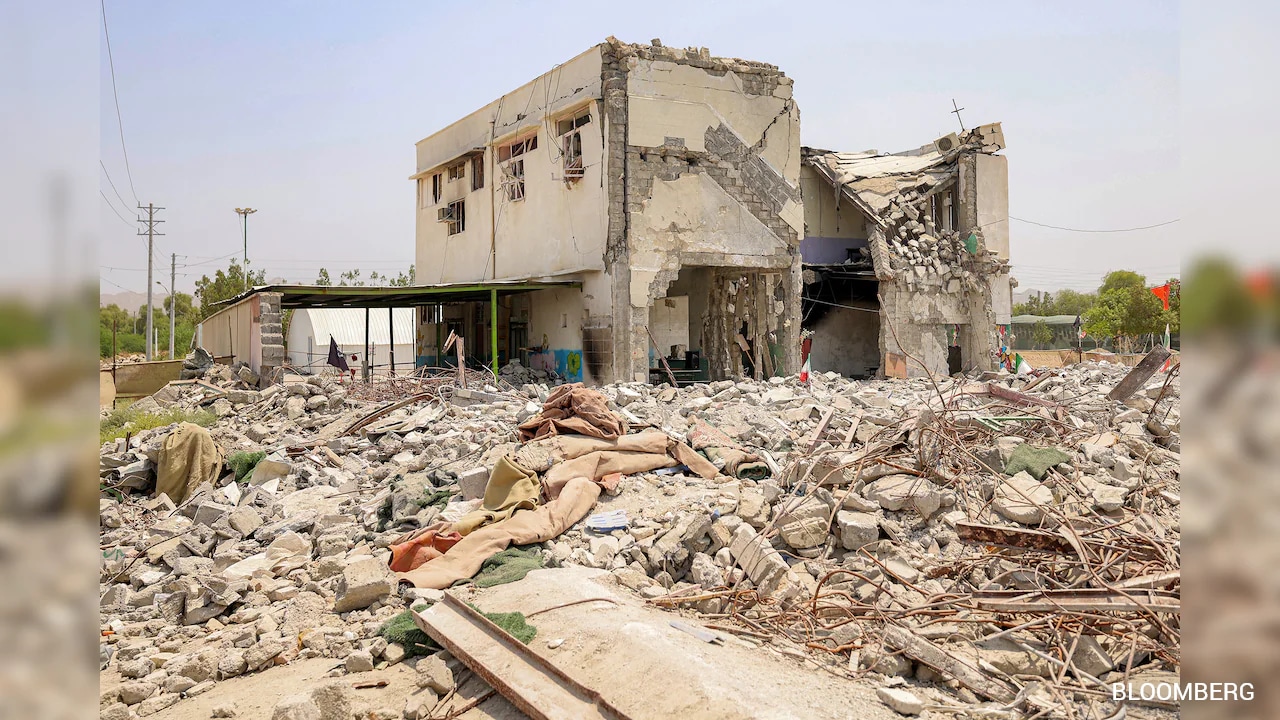
Iran has warned that it will close the Strait of Hormuz to maritime traffic in response to Israeli airstrikes on southern Lebanon that killed at least 20 people, according to Lebanese health officials. The threat comes less than 24 hours after a ceasefire between Israel and Hezbollah was announced, raising fears of a wider regional conflict.
The Strait of Hormuz, a narrow waterway between the Persian Gulf and the Gulf of Oman, is a critical passage for global oil shipments. About 20% of the world's petroleum passes through the strait, making any disruption a significant concern for international energy markets.
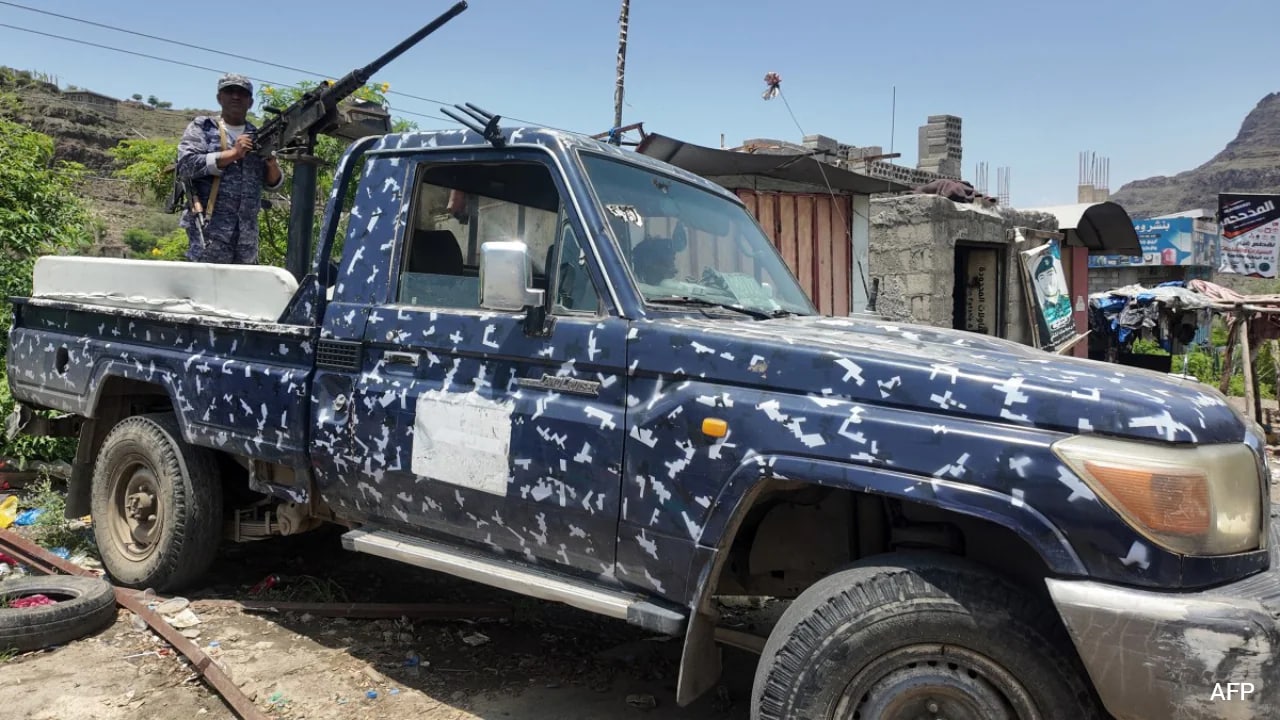
Iran's statement, reported by state media, did not specify a timeline or mechanism for closure but said it would respond to "aggression against Lebanon" with measures to protect its national security interests. The Israeli military has not commented on Iran's threat but has continued operations against what it calls Hezbollah military infrastructure in southern Lebanon.
Lebanon's health ministry reported that 4,057 people have been killed since the conflict between Israel and Hezbollah escalated on 2 March. The latest airstrikes hit several villages in the south, with rescue teams still searching for survivors. The United Nations has called for restraint and an immediate return to the ceasefire.
The United States, a key ally of Israel, urged Iran to avoid provocative actions. "We call on all parties to de-escalate and respect the ceasefire," a State Department spokesperson said. Meanwhile, oil prices rose sharply in early trading on Monday following Iran's announcement.
The Strait of Hormuz has been a flashpoint in previous conflicts, including the Iran-Iraq war and tensions between Iran and the US. Any closure could lead to a sharp increase in oil prices and disrupt global supply chains. Analysts note that while Iran has the capability to mine the strait or harass vessels, a full blockade would risk a military confrontation with the US and its allies.
As of now, the situation remains fluid. The international community is watching closely for any moves by Iran to implement its threat, while diplomatic efforts continue to salvage the ceasefire between Israel and Hezbollah.