Iran Says War Possible, Prepared for Conflict, Despite Ceasefire with US
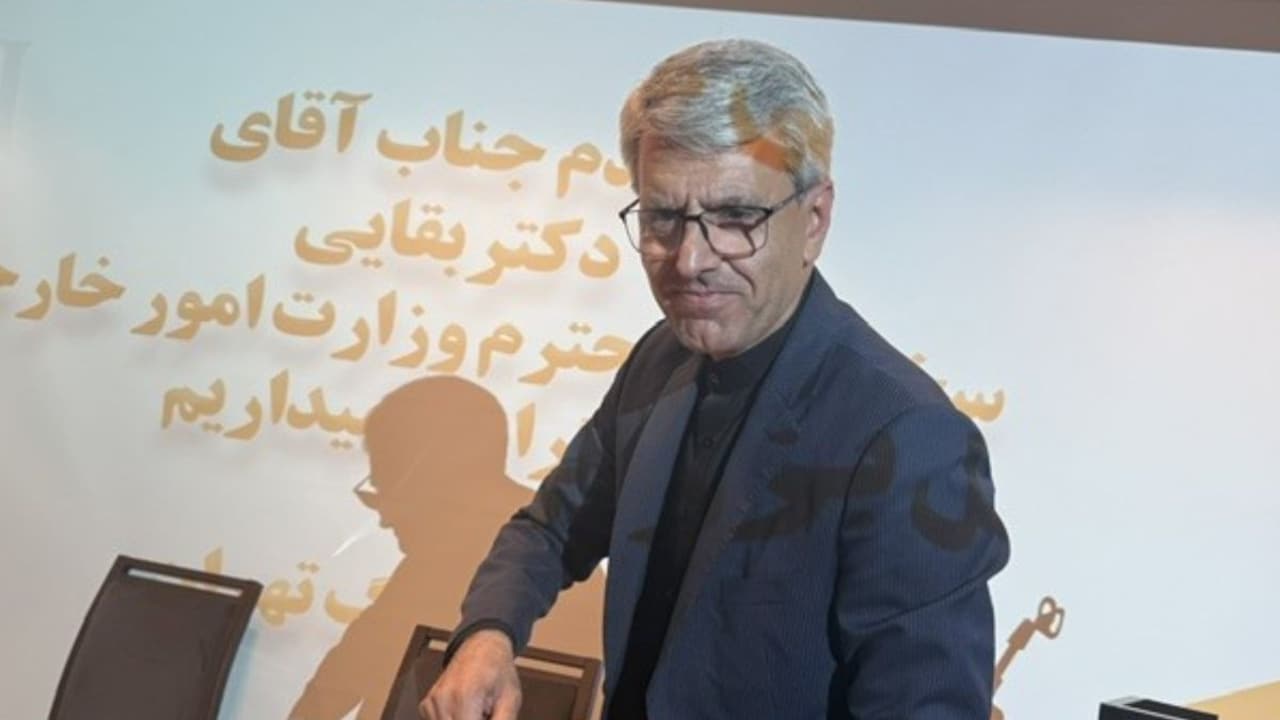
Iran's Foreign Ministry spokesperson, Esmail Baghaei, has stated that the possibility of a return to war with the United States remains, and that Tehran is prepared for any scenario. Speaking in Tehran, Baghaei noted that Iran remains committed to the Non-Proliferation Treaty (NPT) and the Memorandum of Understanding (MOU) signed with the US, but warned that trust in negotiations has eroded.
“More or less, there is a possibility of a return of war,” Baghaei said. He pointed to two previous US attacks during talks as reasons for caution, adding, “We have learnt our lessons, and we taught them lessons they need to learn. We are prepared for every scenario.”
The MOU, signed last month, ended a brief war that began in February with a US strike that killed Iran’s then-Supreme Leader, Ayatollah Ali Khamenei. The agreement includes a 14-point ceasefire and eased blockades, allowing over 200 ships to pass through the Strait of Hormuz daily. However, sporadic attacks on vessels persist.
Baghaei said it has become difficult for the Iranian government to convince its population to support talks with the US. “What's the guarantee that the US can't attack again?” he asked. He noted that the large turnout at Khamenei’s funeral symbolised both grief and Iran’s resilience.
On the Strait of Hormuz, Baghaei said Iran is responsible for security there, and that navigation problems arise from US interference. “The incidents have happened because the US is not abiding by paragraph 5 of the MOU and is interfering in the passage of vessels,” he said. He accused US President Donald Trump of threatening to attack Iran daily, in violation of the agreement.
“Iran is committed to implementing the MOU, but it is the US that needs to get its act together and implement the MOU and make its ally Israel abide by it,” Baghaei added.
On the nuclear issue, Baghaei stressed that Iran has never deviated from peaceful purposes. He cited both the late Khamenei’s fatwa against nuclear weapons and Iran’s NPT membership. “Fatwa is based on religious principles. Iran is a signatory to the NPT. We have no reason to believe that the fatwa has changed,” he said.