Iran accuses US of breaking ceasefire understanding, says America 'does not honour agreements'
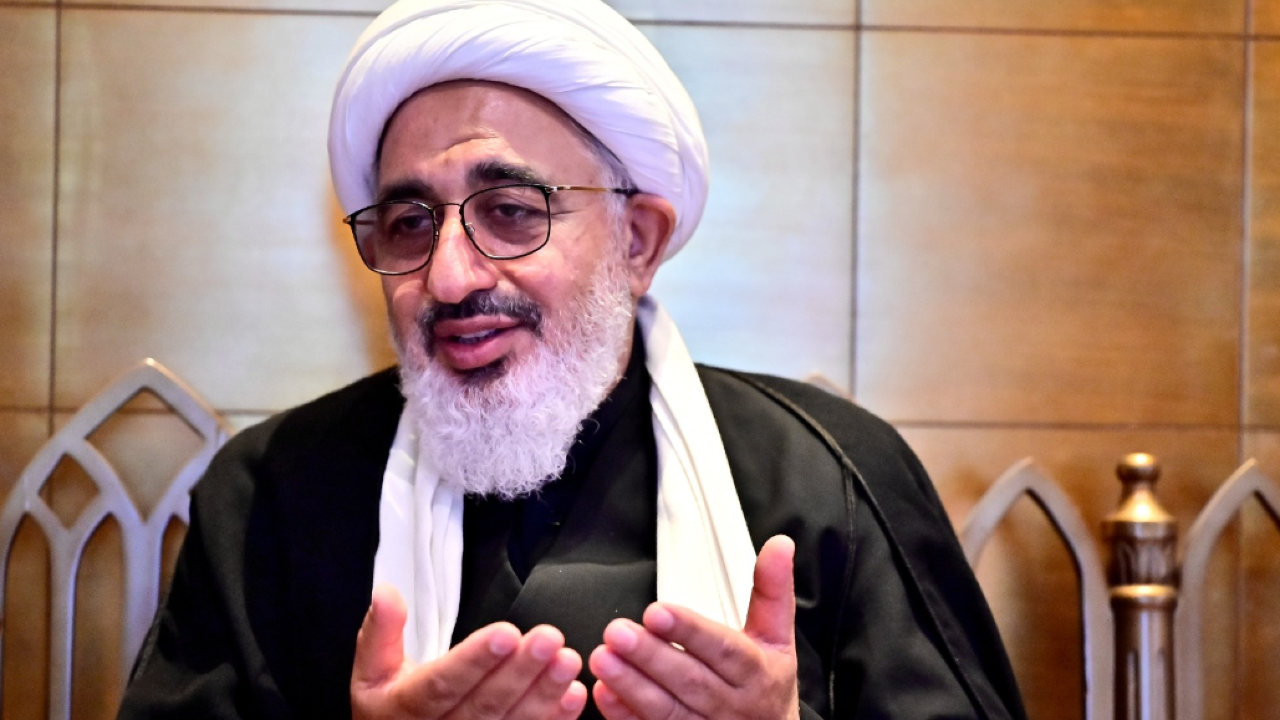
Iran has accused the United States of violating a recent ceasefire understanding by launching strikes on Iranian territory, raising fresh doubts about the prospects for de-escalation in the Gulf region. In an interview with Jaya Menon, Abdul Majid Hakeem Ilahi, the representative in India of Iran's supreme leader, said that Washington's actions demonstrate a pattern of failing to honour its commitments.
“From the beginning of negotiations with the United States, we believed America does not honour its agreements or signatures,” Ilahi stated, noting that attacks continued even as talks were under way. He asserted that the US aimed to collapse the Iranian government within three days and redraw the country's map, a claim he said was supported by President Trump's public statements about changing Iran's borders.
According to Ilahi, Iran responded in a manner that the US did not anticipate. The war cost the US heavily in money, military assets, and strategic credibility, he said. Iran initially rejected ceasefire overtures from various mediators, wanting the aggressors to understand the consequences of their actions first. Eventually, a truce was reached, but recent US strikes have jeopardised that agreement.
The current situation in the Strait of Hormuz has also become a flashpoint. The US has accused Iran of attacking a cargo vessel there, an allegation that Tehran denies. Ilahi did not directly address the accusation in the interview but reiterated Iran's position that it is committed to regional stability.
The 14-point memorandum of understanding between the US and Iran, which includes a 60-day window to negotiate a permanent settlement on Iran's nuclear programme, is now under strain. Ilahi highlighted that Iran's ballistic missile programme was excluded from the agreement, and he criticised the US for failing to honour specific clauses, particularly regarding asset unfreezing and sanctions relief.
When asked about verification for Iran's nuclear programme, Ilahi did not specify a system but indicated that Tehran would accept a fair and transparent mechanism. He called for confidence-building measures, including adherence to the ceasefire and progress on sanctions relief.
Ilahi also emphasised the role of regional powers in promoting peace. He acknowledged Pakistan's reported role in facilitating contacts between Washington and Tehran but noted that India has not played a similar role. He expressed hope that India, with its longstanding ties to the region, could contribute to a broader Gulf security framework involving countries such as Saudi Arabia and the UAE.
The interview comes amid heightened tensions following the funeral of Ayatollah Ali Khamenei, scheduled for July 9. Ilahi did not confirm expected foreign attendance or US representation. He reiterated Iran's commitment to defending its sovereignty while expressing openness to dialogue if the US demonstrates genuine adherence to agreements.