Integrative mental healthcare gains ground in India, experts say
India is steadily moving towards a more inclusive and pluralistic approach to mental healthcare, with experts emphasising the need to blend modern medicine with traditional knowledge systems. This was the central theme of a webinar on ‘The Future of Integrative Mental Health’, organised by Buddhi Clinic in association with The Hindu under its Wellness Series.
Speaking at the event, B.N. Gangadhar, scientist with the Ministry of AYUSH and former Director-VC of the National Institute of Mental Health and Neuro Sciences (NIMHANS), Bengaluru, noted that research over the years has demonstrated the benefits of lifestyle practices, particularly yoga, in maintaining mental fitness. “The objective is not to thrust integrated therapies, but to provide people with integrated care in their healing journey,” he said.
Dr. Gangadhar also pointed to a growing recognition in official policy of the value of traditional Indian knowledge systems. “The National Health Policy 2017, the Medical Education Commissions and the National Education Policy 2020 are now recognising that modern science has to be understood in the backdrop of the traditional Indian knowledge system. People are increasingly seeking something beyond what modern medicine provides them,” he added. He recalled that several committees over the decades had recommended a multi-faceted healthcare system accessible through a single window.
The speakers were unanimous that integration does not mean replacing one system with another. Instead, it involves converging advances in neuroscience, psychiatry, psychology and digital technology with yoga, ayurveda and other traditional therapies. Ennapadam S. Krishnamoorthy, behavioural neurologist and neuropsychiatrist and founder of Buddhi Clinic, explained that recovery from illness is not merely about symptom reduction. “There is a need for convergence of mainstream medical practice and evidence-based traditional approaches,” he said.
Dr. Krishnamoorthy elaborated on how combined treatment enhances quality of life, behaviour, sleep and digestion. “Technology helps with assessment with a logical end point, whereas therapeutic techniques such as yoga and tai chi build relationships and continue to motivate people to maintain wellness,” he said. He described integrated healthcare as a way to build autonomy, adding: “The synergy of innovation with scientific integrity offers multiple options. Combining modalities amplifies the outcome of well-being by placing the person — not merely the illness — at the centre of care.”
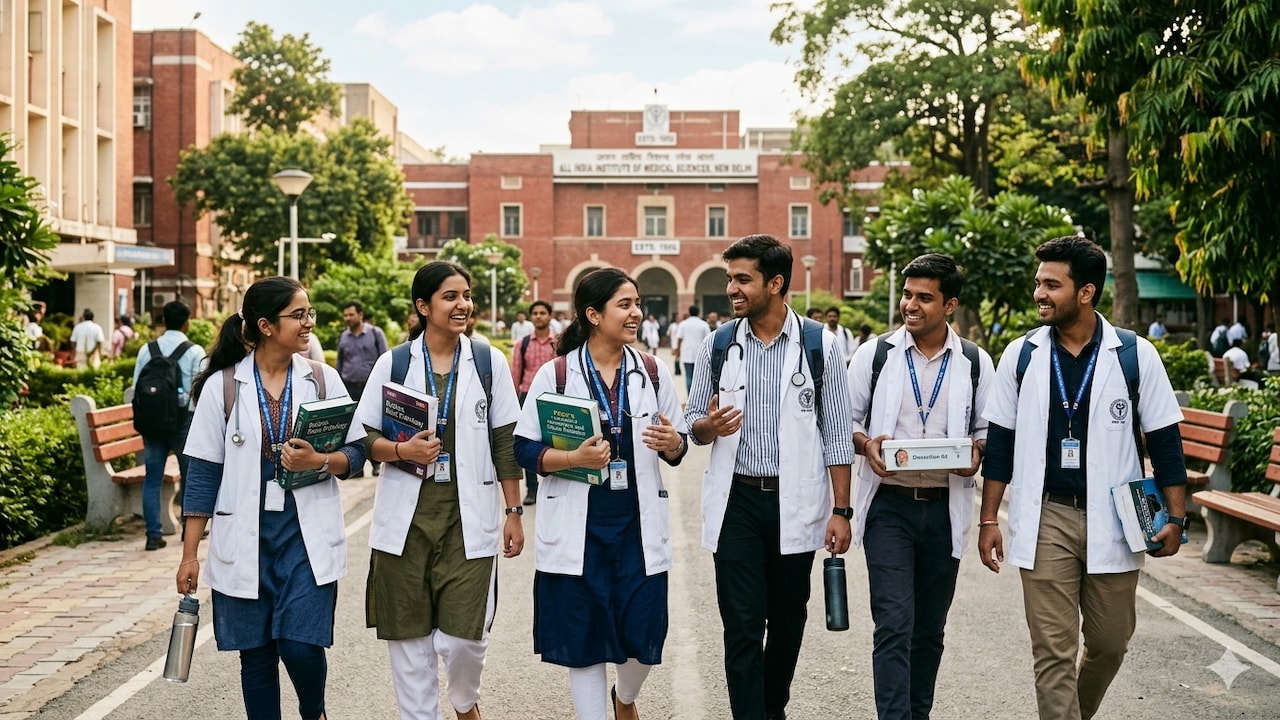
The Central government has been actively promoting this model. Dr. Gangadhar noted that AYUSH facilities are being co-located within public health centres, and collaborating departments have been established in major hospitals such as the All India Institute of Medical Sciences and NIMHANS.
Shivarama Varambally, professor of psychiatry at NIMHANS and founder of its Department of Integrative Medicine, spoke about the role of yoga in nurturing physical strength, mental resilience and emotional balance. Citing emerging scientific evidence, he called for greater openness and informed discussions on what suits individuals best. “People are now seeking both modern and traditional medicines, but it needs to be regularised under a common structured form with safeguards and protocols, and collaboration has to be strengthened between different systems of care,” he added.
The webinar underscored that while India is on the cusp of redefining mental healthcare, the journey remains a work in progress. The emphasis, according to the experts, is on developing evidence-based, pluralistic healthcare that respects both scientific rigour and traditional wisdom.