India's textile legacy: From global dominance to stagnation – what needs to change
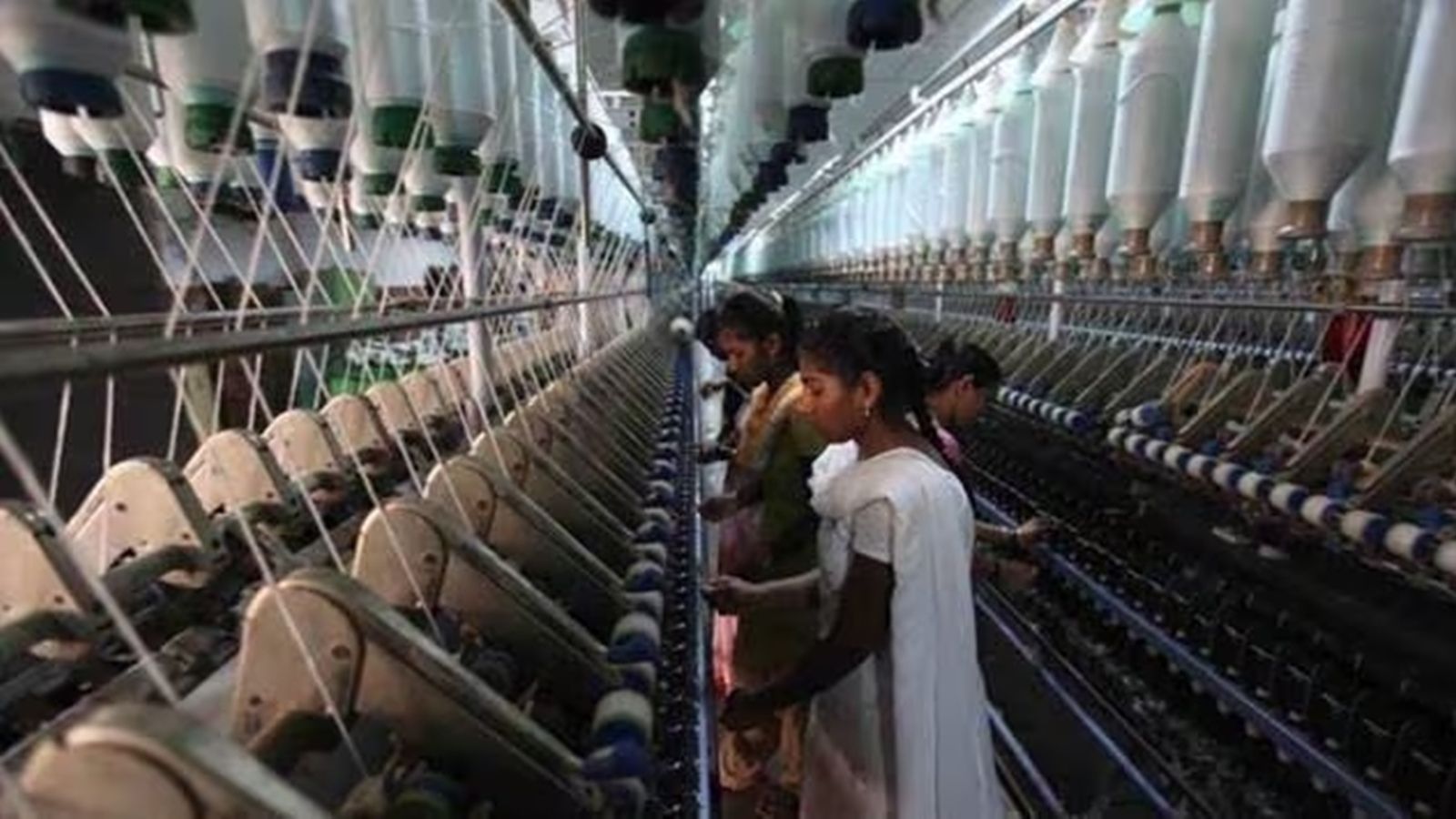
For millennia, India's textiles shaped global trade. Archaeological evidence from the Indus Valley, dating back 4,500 years, reveals early textile production. By the Mughal era, Bengal's muslin and silk made it a global commercial hub. In 1700, India contributed one-fourth of the world's economic output, largely driven by textiles.
The Industrial Revolution shifted competitive advantage from artisanal skill to mechanised production. India became a raw material supplier for British mills, losing its manufacturing edge. Since independence, the country has worked to rebuild its textile industry.
Today, India has a fully integrated value chain from cotton to garments. The sector is highly employment-intensive: apparel creates 153 jobs per Rs 1 crore invested, compared to 27 in automobiles and 14 in steel. Yet India's share of global apparel exports has stagnated at around 3% for two decades. Meanwhile, Bangladesh's share grew from 2.2% to 9%, and Vietnam's from 1% to 6%.
A recent comparative analysis examines the strategies of China, Bangladesh, and Vietnam through five pillars: scale and ecosystem, capital, labour and skilling, clusters and institutions, and market access and trade facilitation.
China's success stems from vertically integrated clusters, concessional finance, and export credit insurance. Bangladesh leveraged its Least Developed Country status with readymade garment-specific finance and export processing zones. Vietnam combined foreign investment, industrial parks, and free trade agreements with industry-academia partnerships. An often overlooked factor is China's undervalued currency, estimated by the IMF and US Treasury to be 16–30% below fair value, acting as an implicit export subsidy.
To achieve its target of $100 billion in textile and apparel exports by 2030, India must address the 'missing middle' of mid-sized, export-ready firms. Recommended reforms include scaling up clusters, improving access to finance, upgrading skills, and enhancing trade facilitation. Replicating the ecosystem approaches of successful competitors, tailored to India's context, is critical.
Reviving India's textile legacy requires institutional changes that enable firms to compete at scale. Without such reforms, the country risks remaining a marginal player in a global market it once dominated.