India's Nighttime Temperatures Rising Faster Than Daytime, Study Finds
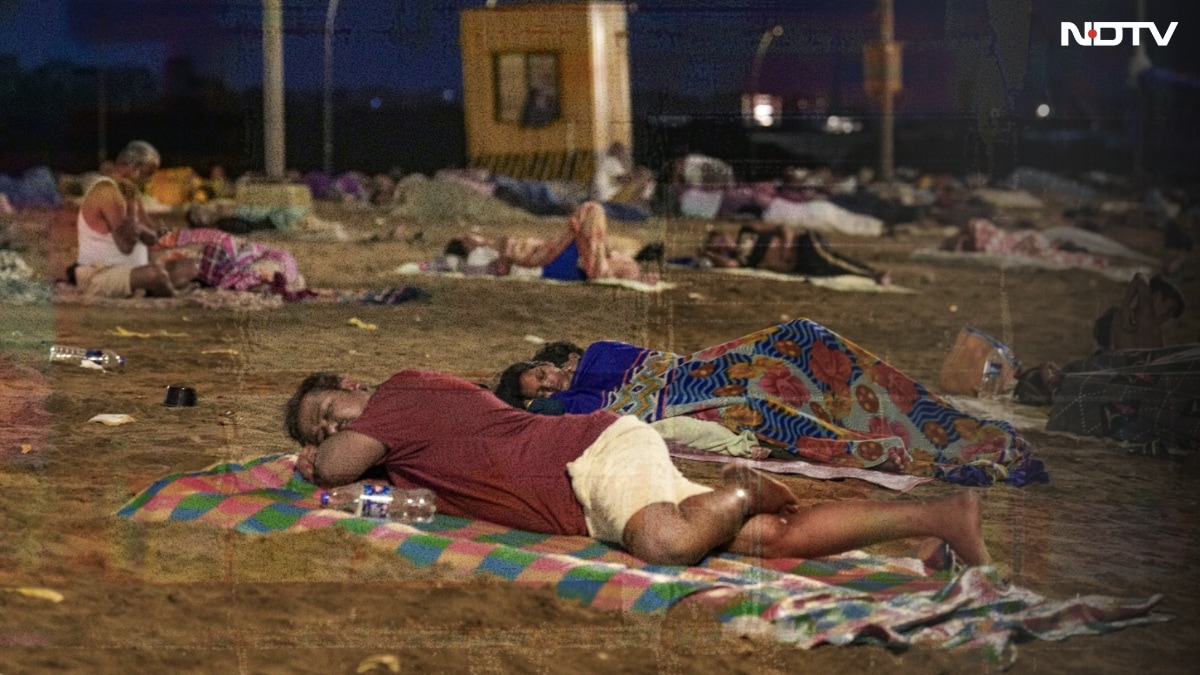
Nighttime temperatures across India are increasing at a faster rate than daytime temperatures, raising concerns about health, energy consumption, and ecological balance, according to recent data from the India Meteorological Department (IMD) and a report by the Council on Energy, Environment and Water (CEEW).
The IMD's seasonal outlook for April to June 2026 indicates that maximum temperatures are likely to be normal to below normal over many parts of the country, but minimum temperatures are expected to be above normal over most regions, except parts of Maharashtra and Telangana.
A warm night is declared when the maximum temperature reaches 40 degrees Celsius or more and the minimum temperature is 4.5 to 6.4 degrees Celsius above normal, based on the departure from the long-term average. A departure exceeding 6.4 degrees Celsius is classified as a very warm night.
The CEEW report, titled 'How Extreme Heat is Impacting India' and released in May 2025, found that over the last decade (2012-2022), nearly 70 per cent of districts experienced five or more additional very warm nights per summer (March to June). In comparison, only about 28 per cent of districts saw five or more additional very hot days.
The rise is most pronounced in densely populated districts, particularly in tier I and II cities. For instance, Mumbai recorded 15 additional very warm nights per summer, Bengaluru 11, Bhopal and Jaipur seven each, Delhi six, and Chennai four. Even traditionally cooler Himalayan regions, such as Jammu and Kashmir and Ladakh, have seen an increase of over 15 very hot days and very warm nights each summer, threatening fragile mountain ecosystems.
A study by Climate Trends, a Delhi-based research initiative, examined indoor thermal environments in 50 residential units in Chennai between October 2025 and April 2026. It found that indoor temperatures frequently exceeded 32 degrees Celsius, and nighttime temperatures rarely fell below an average of 31 degrees Celsius, highlighting persistent heat retention.
The urban heat island effect, where cities become significantly warmer than surrounding rural areas due to reduced green cover, extensive concrete infrastructure, and poor ventilation, is a key driver of rising minimum temperatures. This effect traps heat during the day and releases it slowly at night, preventing cooling.
Health experts warn that warmer nights disrupt sleep, reduce the body's ability to recover from daytime heat, and exacerbate conditions such as cardiovascular and respiratory diseases. The trend also increases energy demand for cooling, straining power grids and contributing to higher carbon emissions.
Policy measures such as increasing green cover, adopting cool roofs and pavements, and improving urban planning to enhance ventilation are recommended to mitigate the urban heat island effect. The CEEW report also calls for localised heat action plans that address nighttime heat stress, not just daytime heatwaves.