Indian Railways Plans Dedicated Network to Move 340 Million Tonnes of Fly Ash Annually
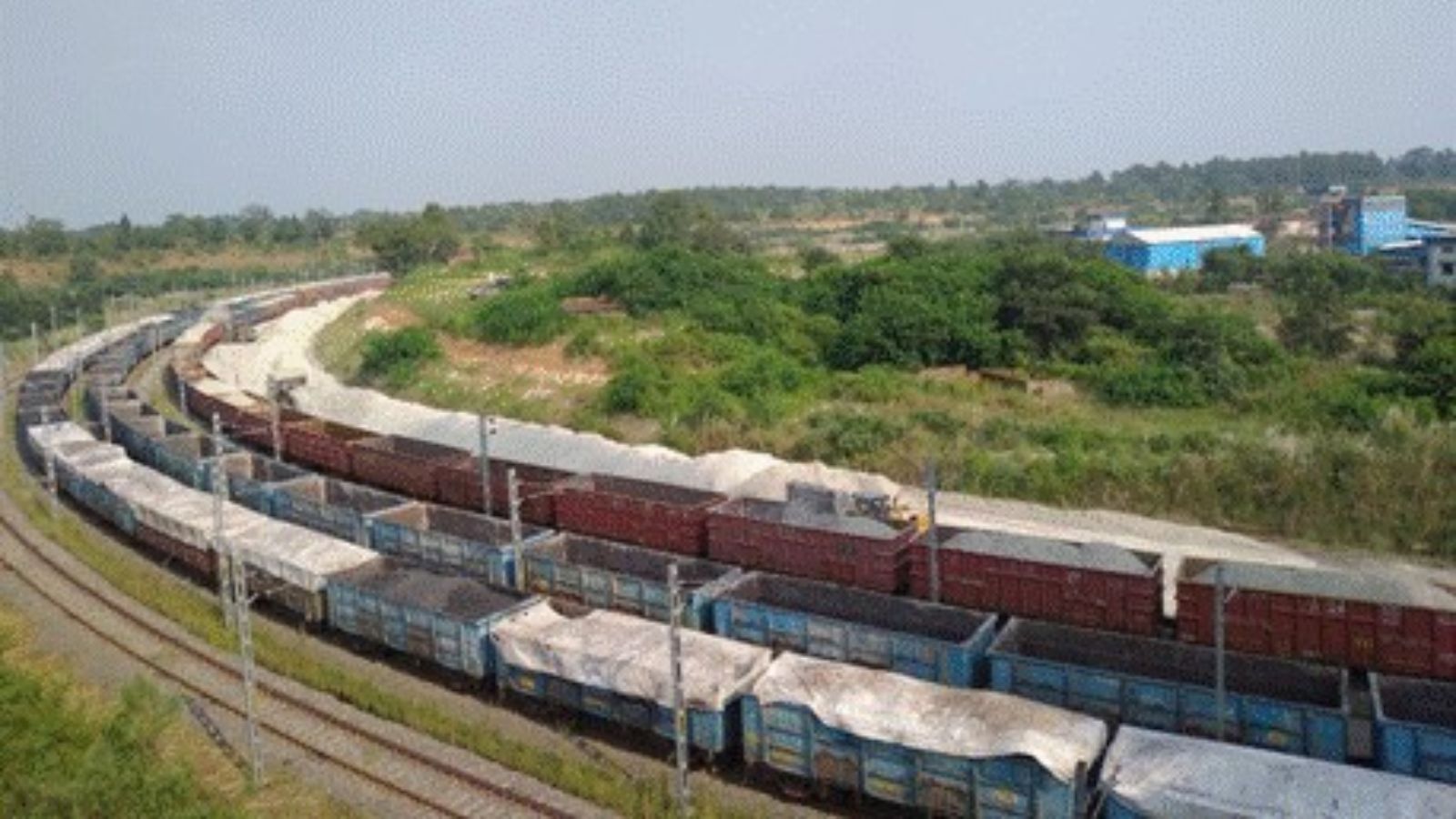
The Ministry of Railways is developing a dedicated logistics network to transport nearly 340 million tonnes of fly ash generated annually by thermal power plants across India. Currently, Indian Railways transports only about 13 million tonnes of fly ash per year. On Thursday, Railway Minister Ashwini Vaishnaw chaired a high-level meeting at Rail Bhawan to review plans for enabling large-scale fly ash transportation through the rail network.
Fly ash, a byproduct of coal-based thermal power generation, poses significant environmental challenges if not managed properly. However, it also presents an economic opportunity as a valuable raw material for the infrastructure and industrial sectors, including cement manufacturing, road construction, and brick production. The proposed network aims to address both the environmental need for safe disposal and the industrial demand for this resource.
The meeting focused on identifying key challenges such as loading and unloading infrastructure, freight pricing, and route optimization. Officials discussed setting up dedicated fly ash handling terminals near major power plants and integrating them with the rail network. The initiative is part of broader efforts to increase the utilization of fly ash, which currently sees only about 70% of the 340 million tonnes being used, with the rest ending up in ash ponds or landfills.
Expanding rail-based transportation is expected to reduce the reliance on road transport, cutting down on carbon emissions and traffic congestion. Indian Railways has already been facilitating fly ash movement through existing freight services, but the new network would significantly ramp up capacity. Vaishnaw emphasized the need for a time-bound implementation to ensure that the logistics system is ready to handle the projected increase in fly ash volumes from existing and upcoming thermal plants.
This move aligns with the government's policy to promote the use of fly ash in construction and infrastructure projects, as mandated by the Ministry of Environment, Forest and Climate Change. The new network is expected to benefit multiple sectors while addressing environmental concerns associated with fly ash disposal.