India-UK trade pact set to open new markets for farmers, artisans, and businesses
India and the United Kingdom have finalised a Comprehensive Economic and Trade Agreement (CETA), scheduled to come into force on July 15. The agreement aims to boost bilateral trade by eliminating tariffs on nearly 99 per cent of tariff lines, covering almost 100 per cent of trade value. It is expected to benefit Indian exporters across labour-intensive sectors such as agriculture, textiles, and manufacturing.
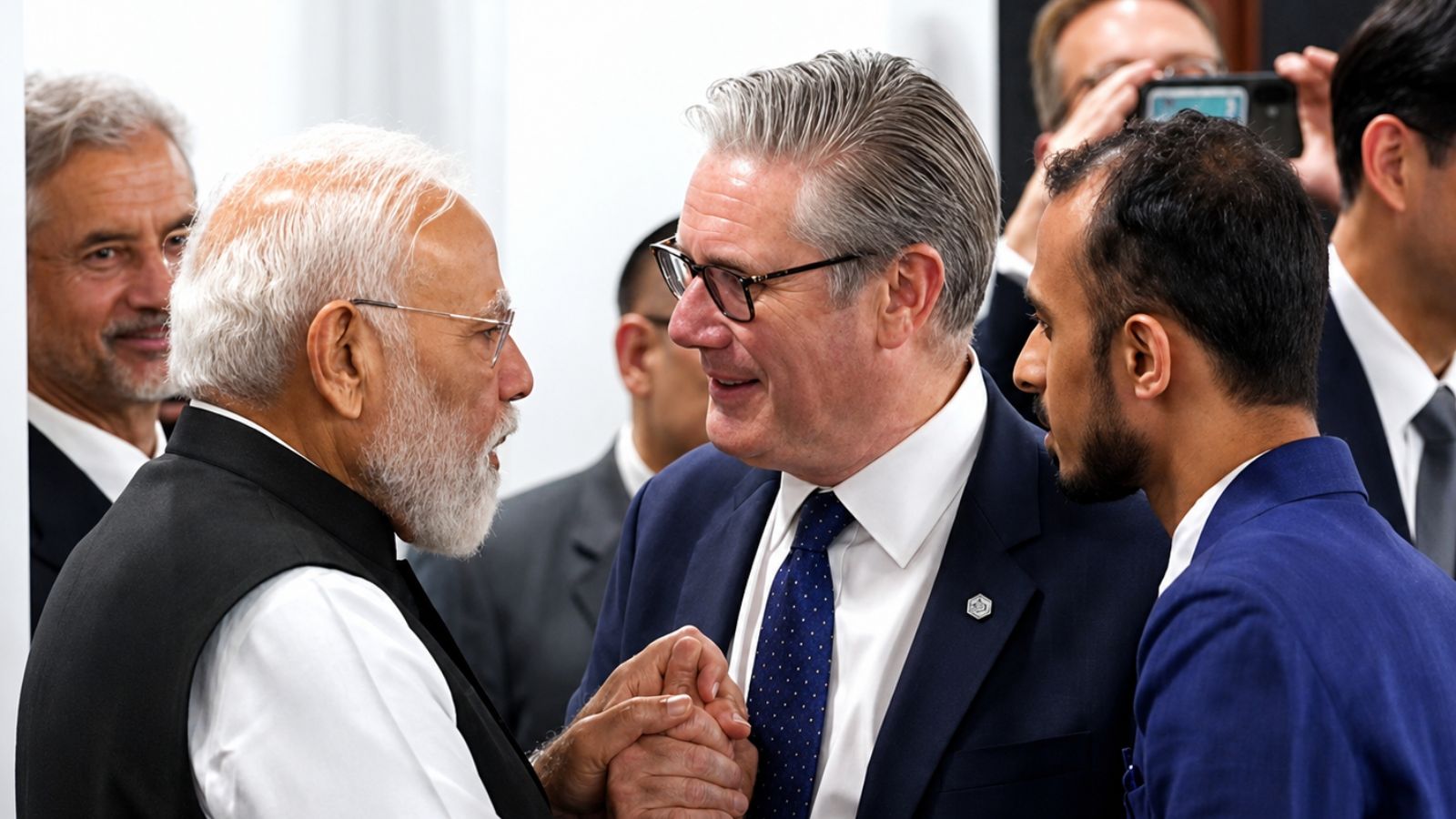
The pact was signed last year in the presence of Prime Minister Narendra Modi and British Prime Minister Keir Starmer. It includes provisions for market access, tariff elimination, and enhanced mobility for professionals.
Indian farmers are expected to gain duty-free access for products such as turmeric, pepper, cardamom, mango pulp, pickles, and pulses. The agreement excludes sensitive agricultural items like dairy products, cereals, millets, apples, oats, and cooking oils to protect domestic producers and ensure food security.
For the manufacturing sector, the removal of tariffs is intended to make Indian goods more competitive in the UK market. Industries including sports equipment, toys, and textiles are likely to benefit. The agreement also provides for comprehensive service commitments from the UK, covering 137 sub-sectors such as IT, financial services, healthcare, and education.
Mobility provisions allow for 1,800 Indian chefs, yoga instructors, and classical musicians to work in the UK annually. Business travellers, intra-corporate transferees, and contractual service suppliers will also have predictable pathways.
Analysts note that the agreement could accelerate job creation in India and help integrate small and medium enterprises into global value chains. However, the long-term impact will depend on implementation and the ability of Indian industries to meet quality standards.
The pact is part of India's broader strategy to negotiate free trade agreements with multiple countries, including the European Free Trade Association (EFTA) nations—Switzerland, Norway, Iceland, and Liechtenstein. The government has emphasised that such agreements are designed to support Prime Minister Modi's Viksit Bharat 2047 vision of a developed India.
Critics caution that while tariff reductions offer opportunities, they also expose domestic industries to competition. The exclusion of certain agricultural sectors indicates a cautious approach to protecting vulnerable communities.